
 English
 中文简体
中文简体 عربى
عربى Español
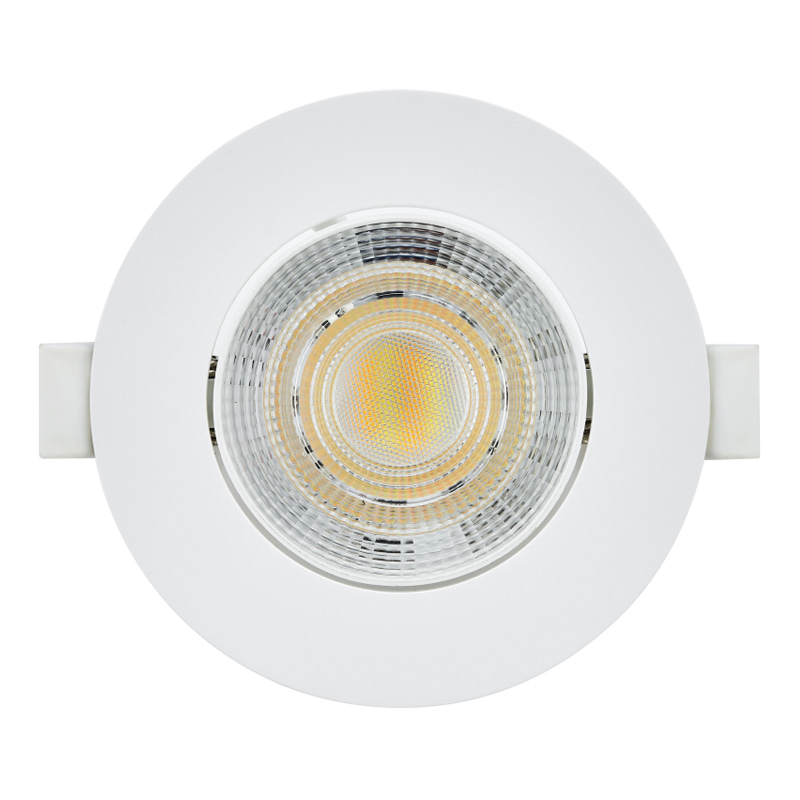
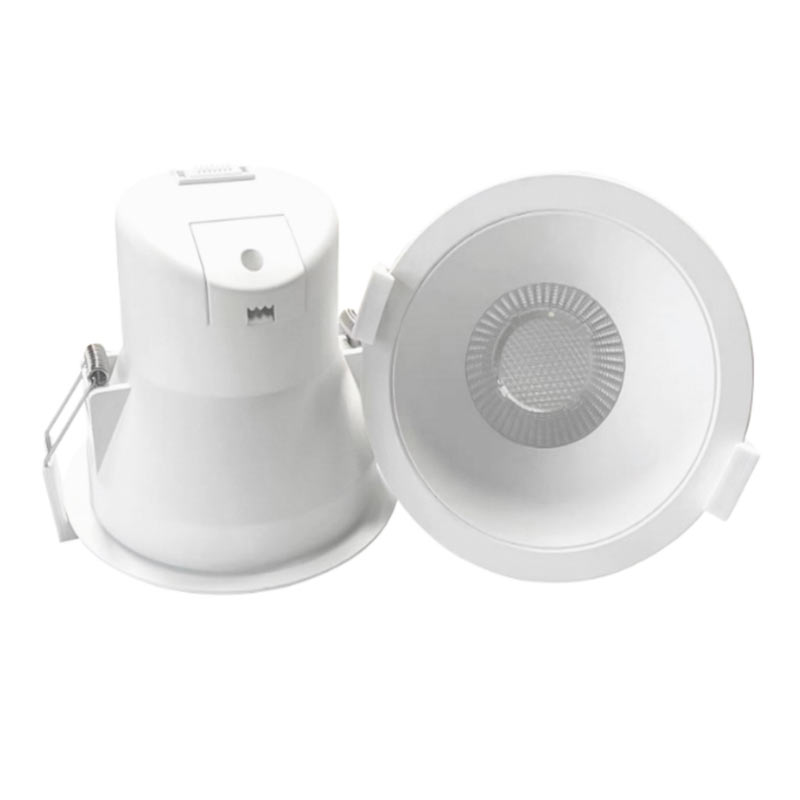
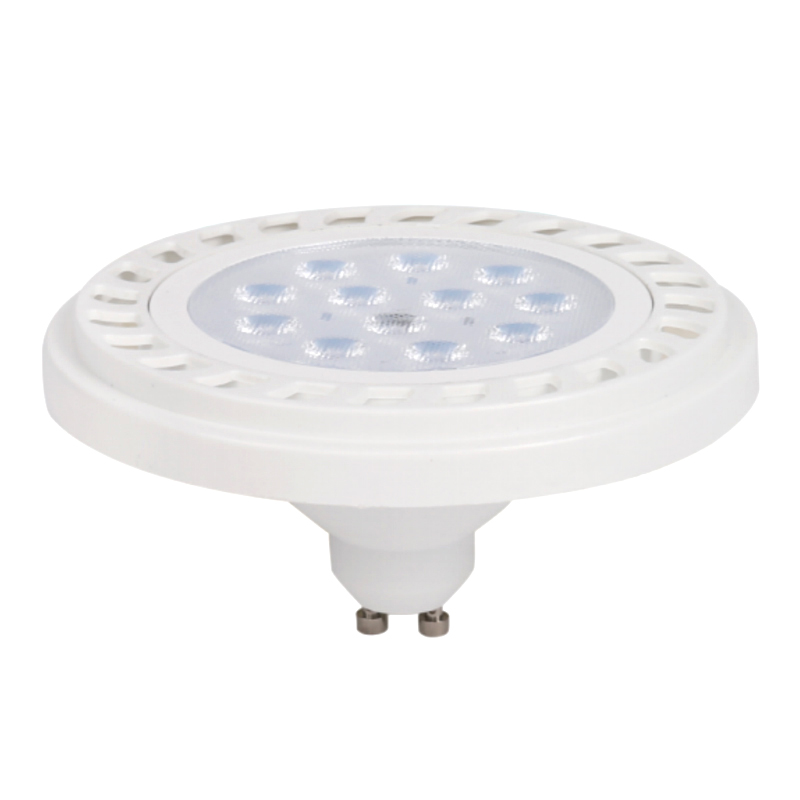
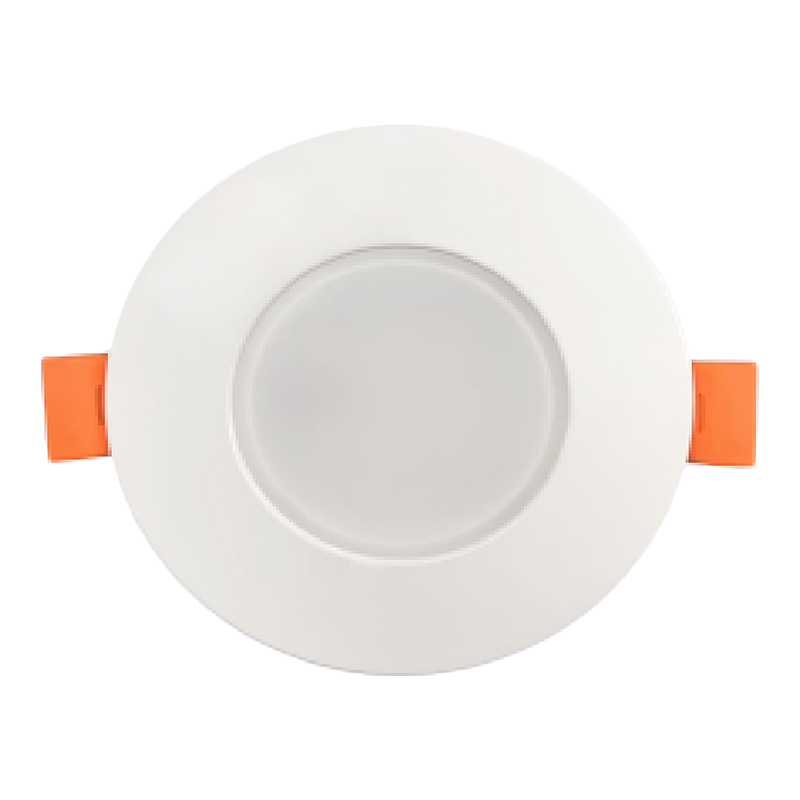
Introduction to LED Ceiling Lights LED ceiling lights have become a popular choice for modern homes,...
Content
- 1 1. Determine Your Lighting Purpose
- 2 2. Choose the Appropriate Lumen Output (Brightness)
- 3 3. Select the Right Color Temperature
- 4 4. Consider Beam Angle Based on Coverage
- 5 5. Ensure Compatibility With Your Ceiling Type
- 6 6. Check Dimming Capability
- 7 7. Evaluate Energy Efficiency and Lifespan
- 8 8. Match the Style With Your Interior Design
- 9 9. Consider Additional Smart Features
- 10 10. Compare Cost vs. Long-Term Value
Selecting the right LED downlight is essential for achieving proper illumination, comfort, and energy efficiency in any residential or commercial environment. Because LED downlights come in many types—varying in brightness, beam angle, color temperature, trim style, installation method, and smart features—it is important to carefully evaluate your needs before choosing a product. The following sections break down each factor in detail, helping you make a confident and well-informed lighting decision.
1. Determine Your Lighting Purpose
The first and most critical step in choosing an LED downlight is understanding the actual lighting purpose. Lighting design isn’t simply about installing fixtures; it is about creating an atmosphere, improving functionality, and enhancing visual comfort. For general ambient lighting, you may prioritize wide beam angles, moderate lumen levels, and uniform illumination throughout the space. This approach is common in living rooms, bedrooms, corridors, and open commercial areas.
For task lighting—such as in kitchens, reading corners, bathroom vanities, retail shelves, or office desks—you must prioritize accuracy and brightness. Task lighting usually requires higher lumen output, more focused beam angles, and excellent color rendering to ensure that colors, objects, and details appear natural and vivid under the light.
Accent lighting requires a more directional beam, usually between 15° and 30°, to highlight specific design elements such as artwork, textured walls, sculptures, or architectural niches. Unlike ambient lighting, accent lighting aims to draw attention and create visual layers in a room. Selecting the wrong type of downlight can make a space appear flat and lifeless, while a well-chosen fixture can completely transform the atmosphere.
By identifying whether your lighting goal is general illumination, task support, or decorative enhancement, you establish the foundation for choosing the right lumen level, beam angle, and fixture type.
2. Choose the Appropriate Lumen Output (Brightness)
Brightness is one of the most important technical parameters when choosing an LED downlight. Unlike traditional lighting, where watts were used as a reference for brightness, LED fixtures are evaluated based on lumens—the actual measure of visible light output. Selecting appropriate brightness ensures adequate illumination without glare or energy waste.
For living rooms, bedrooms, and other relaxation spaces, a lumen range between 600 and 900 lumens typically offers comfortable illumination. Kitchens, workshops, and laboratories often demand brighter lighting for visibility, with lumen levels ranging from 900 to 1500 lumens per fixture. In commercial or industrial applications—such as supermarkets, warehouses, and retail shops—fixtures exceeding 1500 lumens may be required to maintain consistent brightness across large areas.
Ceiling height also plays a crucial role. High ceilings require brighter fixtures or narrower beam angles to ensure that light effectively reaches the working plane. Conversely, low ceilings might require softer brightness to avoid glare. You should also consider lumen efficacy (lumens per watt). High-quality LED downlights offer 90–120 lm/W, delivering brighter output with lower energy consumption.
Choosing the right lumen output ensures your lighting is functional, energy-efficient, and visually comfortable, regardless of the space type.
3. Select the Right Color Temperature
Color temperature dramatically influences the mood and usability of a room. Measured in Kelvin (K), color temperature ranges from warm to cool. Warm white tones (2700K–3000K) create a cozy and relaxing atmosphere, ideal for homes, restaurants, cafés, and hotel rooms. These tones mimic traditional incandescent light and enhance comfort by producing a soft, inviting glow.
Neutral white (3500K–4000K) strikes a balance between warmth and clarity, making it suitable for offices, libraries, retail stores, hallways, and multi-function spaces. This range maintains visual comfort while still supporting productivity. It is often chosen for modern office environments and mixed-use commercial settings.
Cool white or daylight tones (5000K–6500K) are crisp, bright, and invigorating. They are commonly used in laboratories, clinics, workshops, supermarkets, and areas requiring high visual accuracy. While highly functional, cooler tones may feel too intense for bedrooms or living areas.
In addition to Kelvin value, you should consider color rendering index (CRI). A CRI above 90 ensures accurate color reproduction, which is especially important in retail spaces, art galleries, and design studios.
Choosing the right color temperature ensures that lighting enhances comfort, supports productivity, and matches the intended atmosphere of the space.
4. Consider Beam Angle Based on Coverage
Beam angle determines how widely the light spreads, affecting the distribution of brightness and the number of fixtures needed. Narrow beam angles (15°–30°) are ideal for accent lighting or spotlighting decorative elements. They focus brightness in a specific direction, making objects appear more prominent and dramatic.
Medium beam angles (30°–60°) are the most versatile and commonly used, providing balanced coverage suitable for general lighting in homes, offices, and commercial areas. They offer even illumination without creating harsh shadows.
Wide beam angles (60°–120°) are beneficial for large open areas with low ceilings. These angles minimize the number of fixtures needed and help create smooth, uniform lighting across the space.
For spaces with high ceilings, narrower beams are often necessary to ensure light reaches the ground effectively. Conversely, low ceilings require wider beams to avoid creating overly bright, concentrated patches of light.
Understanding beam angle ensures proper illumination distribution and prevents lighting imbalances such as dark corners or excessive glare.
Comparison of Key Factors When Choosing LED Downlights
| Factor | Options | Best For | Notes |
|---|---|---|---|
| Color Temperature | 2700K–6500K | Homes, offices, retail | Affects mood & visibility |
| Beam Angle | 15°–120° | Accent, general lighting | Determines light spread |
| Lumen Output | 600–1500+ lm | All environments | Higher ceilings need more lumens |
| Trim Type | Round, square, trimless | Interior design | Impacts aesthetics |
| IP Rating | IP20–IP65 | Indoor/outdoor | Wet areas need IP65 |
5. Ensure Compatibility With Your Ceiling Type
Different ceiling structures require different downlight designs. Traditional recessed ceilings can accommodate standard LED downlights with ample installation depth. However, modern architecture often features shallow ceilings, where ultra-thin or slim-profile LED downlights become necessary. These fixtures are designed for limited clearance and allow installation without compromising illumination quality.
Surface-mounted downlights are ideal for areas where ceiling cutting is not possible—such as concrete ceilings, rental apartments, or commercial spaces with exposed structures. Wet locations such as bathrooms, balconies, and outdoor soffits require IP-rated waterproof downlights to ensure safety and durability.
Suspended ceilings may require downlights with adjustable brackets or flexible mounting plates for easier installation. If your ceiling includes insulation, IC-rated downlights are essential to prevent overheating and ensure safe contact with insulation materials.
Understanding ceiling compatibility prevents installation issues, enhances safety, and ensures long-term performance.
6. Check Dimming Capability
Dimmable LED downlights provide greater control over ambience, energy efficiency, and visual comfort. However, not all LED downlights are universally compatible with all dimmers. Some require triac dimmers, while others support DALI, 0–10V, PWM, or smart app-based dimming. Without proper compatibility, flickering, buzzing, or shortened lifespan may occur.
Dimming is especially valuable in living rooms, bedrooms, restaurants, hotels, and entertainment areas where lighting atmosphere is important. It also enhances daytime energy savings by reducing unnecessary brightness. For commercial spaces, integrating smart dimming systems with occupancy sensors and daylight harvesting can further reduce energy consumption.
Choosing dimmable downlights enhances lighting flexibility and long-term efficiency.
7. Evaluate Energy Efficiency and Lifespan
High-quality LED downlights offer exceptional energy efficiency compared to traditional CFL or halogen fixtures. Look for high lumen-per-watt ratings (90–120 lm/W) to ensure efficient performance. A long lifespan—usually 30,000 to 50,000 hours—reduces replacement and maintenance costs.
Heat dissipation is also important. Downlights with aluminum heat sinks or advanced thermal management systems last longer and maintain stable performance. A reliable LED driver further ensures consistent brightness and prevents flickering.
Energy-efficient downlights help lower electricity bills, minimize carbon footprint, and provide stable lighting performance for years.
8. Match the Style With Your Interior Design
Aesthetic compatibility is often overlooked but plays a major role in the final appearance of a space. LED downlights are available in round or square shapes, trimless designs, adjustable gimbals, and various finishes such as matte white, deep black, brushed aluminum, or gold accents.
Trimless downlights provide a seamless, modern look, often used in minimalist interiors, luxury homes, and high-end commercial environments. Adjustable gimbal downlights are ideal for highlighting artwork or directing light toward focal areas.
Selecting a style that complements your décor helps create a cohesive, visually pleasing environment.
9. Consider Additional Smart Features
Modern LED downlights now include advanced features such as tunable white (CCT-adjustable), RGB color control, Bluetooth or WiFi connectivity, and voice control compatibility with Alexa, Google Home, or Apple HomeKit. Smart downlights allow users to adjust brightness, schedule lighting, automate scenes, or integrate with home automation systems.
These features are especially beneficial in smart homes, retail environments, hotels, and workplaces seeking adjustable ambience and energy management.
10. Compare Cost vs. Long-Term Value
While premium LED downlights may cost more upfront, they offer better energy efficiency, longer lifespan, improved heat management, and fewer maintenance issues. When evaluating cost, consider not only the purchase price but also installation costs, electricity usage, and replacement frequency.
