
 English
 中文简体
中文简体 عربى
عربى Español
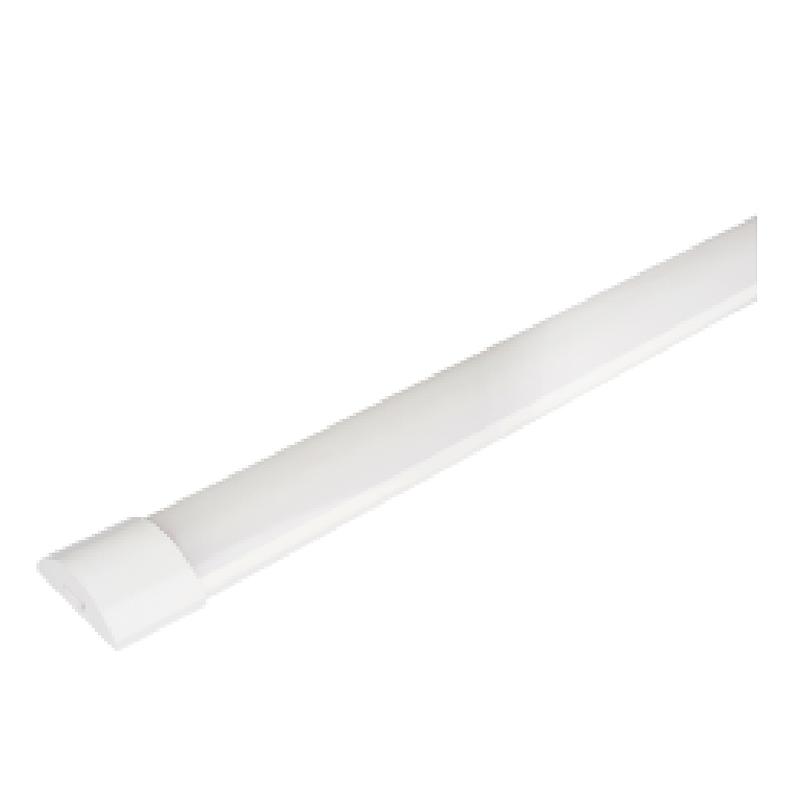
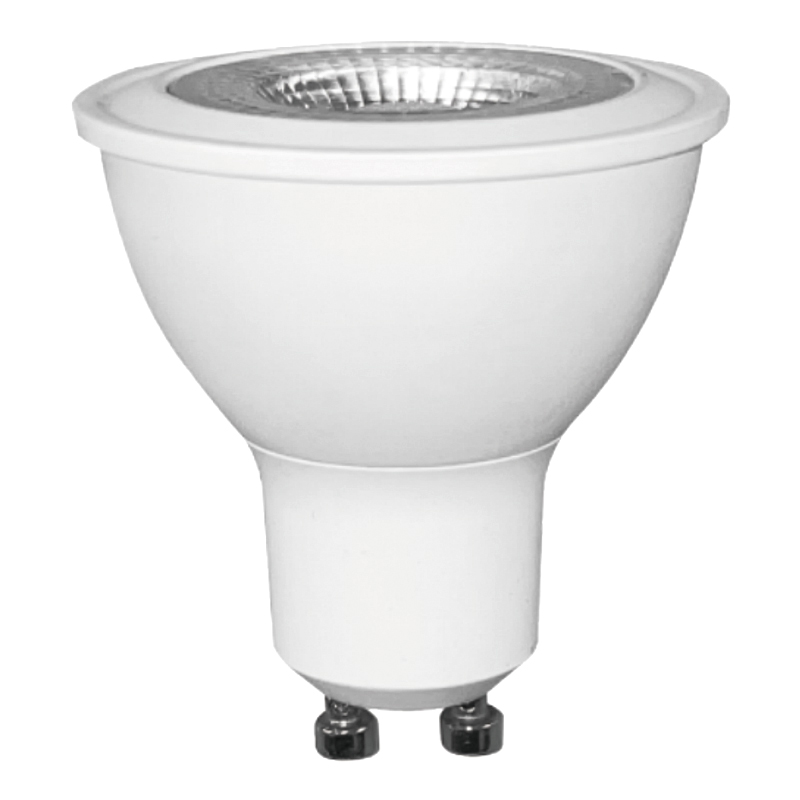
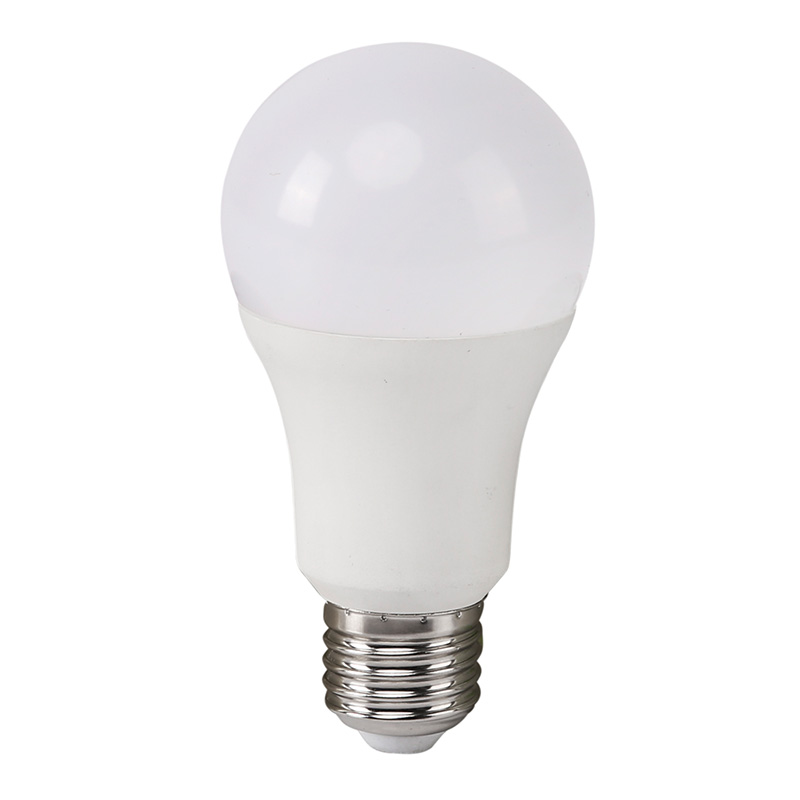
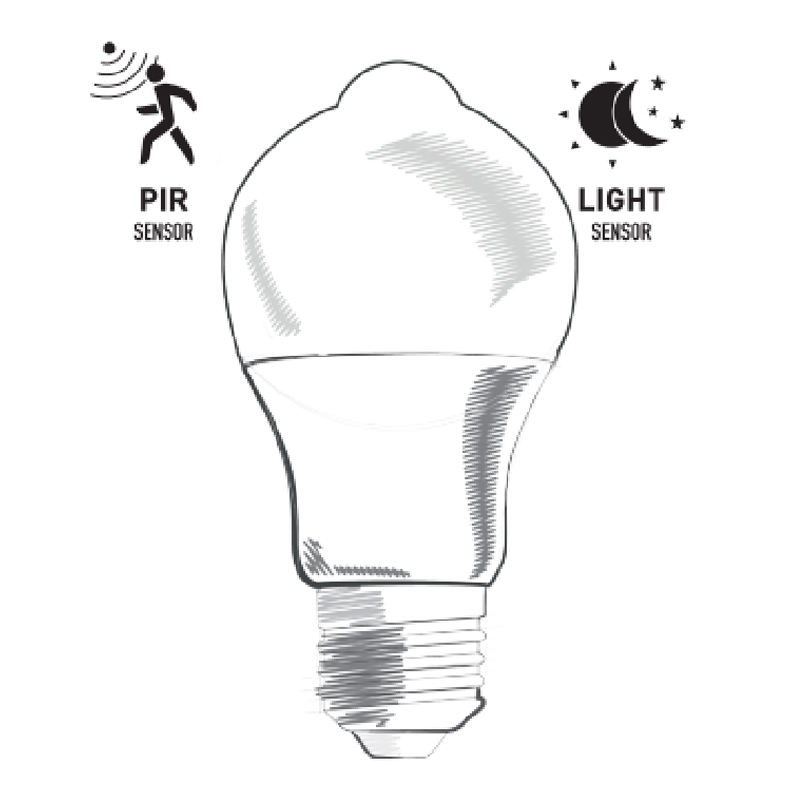
Introduction to LED Ceiling Lights LED ceiling lights have become a popular choice for modern homes,...
Content
1. Introduction: Understanding LED Ceiling Lights
LED ceiling lights are modern lighting solutions that use light-emitting diodes (LEDs) to illuminate residential, commercial, and industrial spaces. Unlike traditional incandescent or fluorescent lights, LEDs consume significantly less electricity while providing bright, uniform illumination. This energy-efficient technology has revolutionized lighting design, offering long-lasting performance with minimal energy consumption.
In addition to reducing electricity bills, LED ceiling lights produce less heat than traditional lighting, which minimizes the need for additional cooling in indoor environments. This makes them particularly suitable for offices, homes, and commercial spaces where maintaining a comfortable temperature is crucial. Furthermore, LED lights are available in a variety of shapes, sizes, and color temperatures, making them versatile for different aesthetic and functional applications.
Investing in LED ceiling lights not only enhances energy efficiency but also contributes to sustainability. Reduced power consumption means lower greenhouse gas emissions, aligning with global initiatives to combat climate change. Understanding the energy efficiency benefits of LED ceiling lights helps consumers and facility managers make informed decisions that save money and support environmental responsibility.
2. Lower Electricity Consumption
One of the most significant energy efficiency benefits of LED ceiling lights is their low electricity consumption. LEDs convert a higher percentage of electrical energy into light rather than heat, making them far more efficient than incandescent or halogen bulbs, which waste much of their energy as heat.
For example, a typical 12-watt LED ceiling light can produce the same brightness as a 60-watt incandescent bulb. Over time, this results in substantial energy savings, especially in spaces where lights are used for extended periods, such as offices, schools, or commercial buildings. Reduced energy consumption not only lowers utility bills but also reduces the load on electrical infrastructure, making it a cost-effective and sustainable lighting option.
In addition, many LED ceiling lights are compatible with dimmer switches and smart lighting systems, allowing further energy optimization. Users can adjust brightness according to need, ensuring that lights are never brighter than necessary, which enhances overall efficiency and extends the lifespan of the lighting system.
3. Longer Lifespan and Reduced Replacement Costs
Another key energy-related benefit of LED ceiling lights is their long operational lifespan. LEDs can last between 25,000 and 50,000 hours, significantly longer than incandescent (1,000 hours) or fluorescent bulbs (8,000–10,000 hours). This extended lifespan reduces the frequency of replacements, minimizing both labor and material costs.
Longer-lasting lighting also reduces waste and energy associated with manufacturing, shipping, and disposing of traditional bulbs. Facilities with high ceilings, such as warehouses or shopping malls, particularly benefit from LEDs because they minimize the effort and energy required for maintenance.
By reducing the need for frequent replacements, LED ceiling lights contribute indirectly to energy savings across their entire lifecycle, making them a truly sustainable choice. Their reliability ensures consistent lighting performance without the inefficiencies and disruptions associated with traditional bulbs.
| Feature | LED Ceiling Lights | Traditional Bulbs | Energy Impact |
|---|---|---|---|
| Electricity Consumption | Low (e.g., 12–15W for 800 lumens) | High (e.g., 60W for 800 lumens) | LEDs save up to 80% energy |
| Lifespan | 25,000–50,000 hours | 1,000–10,000 hours | Fewer replacements = less energy use |
| Heat Generation | Minimal | High | Less cooling required |
| Dimmable / Smart Capabilities | Yes | Limited | Optimizes energy usage |
| Maintenance Frequency | Low | High | Reduced energy for manufacturing/transport |
4. Reduced Heat Output and Cooling Costs
LED ceiling lights generate significantly less heat than traditional lighting systems. Incandescent and halogen bulbs release up to 90% of their energy as heat, which can increase indoor temperatures and force air conditioning systems to work harder, consuming more electricity.
By producing minimal heat, LED lights reduce the need for additional cooling, further enhancing energy efficiency. This is particularly beneficial in commercial buildings, offices, and hospitals where air conditioning represents a large portion of energy consumption. Lower heat output also improves workplace comfort, reduces HVAC wear and tear, and prevents hot spots near lighting fixtures.
Combining LED lighting with energy-efficient cooling strategies amplifies total energy savings. Facility managers can optimize both lighting and temperature control systems, resulting in lower utility bills, improved sustainability, and a reduced carbon footprint.
5. Environmental Benefits
Beyond direct energy savings, LED ceiling lights have a positive environmental impact. Reduced electricity consumption translates into lower greenhouse gas emissions, especially in regions reliant on fossil-fuel-based power generation. Fewer replacements also reduce waste and resource usage associated with manufacturing, packaging, and transportation of traditional bulbs.
Many LED ceiling lights are made with non-toxic materials, free from mercury or other hazardous substances found in fluorescent lights. This makes disposal safer and less environmentally damaging. Additionally, the durability and efficiency of LEDs support green building certifications such as LEED or BREEAM, which encourage the adoption of energy-efficient technologies.
Investing in LED ceiling lights is therefore not only cost-effective but also a responsible environmental choice, supporting energy conservation and sustainable development goals.
FAQ
Q1: How much energy can I save by switching to LED ceiling lights?
A1: LED ceiling lights can save up to 70–80% of electricity compared to incandescent or halogen bulbs, depending on usage and fixture type.
Q2: Do LED ceiling lights produce less heat than traditional lights?
A2: Yes, LEDs generate minimal heat, which reduces the need for air conditioning and improves overall energy efficiency.
Q3: How long do LED ceiling lights typically last?
A3: Most LED ceiling lights have a lifespan of 25,000–50,000 hours, significantly longer than incandescent (1,000 hours) or fluorescent bulbs (8,000–10,000 hours).
Q4: Are LED ceiling lights environmentally friendly?
A4: Yes, they consume less energy, produce fewer greenhouse gas emissions, contain no toxic materials like mercury, and reduce waste due to long lifespan.
References
- Energy Star. LED Lighting Technology and Efficiency Guide, 2022.
- U.S. Department of Energy. LED Lighting Facts and Benefits, 2021.
- Johnson, Mark. Modern Lighting Solutions: LED Technologies, 2020.
- Green Building Council. Sustainable Lighting Practices for Residential and Commercial Buildings, 2021.
