
 English
 中文简体
中文简体 عربى
عربى Español
Introduction to LED Ceiling Lights LED ceiling lights have become a popular choice for modern homes,...
Content
- 1 1. Energy Efficiency
- 2 2. Longevity and Durability
- 3 3. Lower Heat Emission
- 4 4. Improved Light Quality and Ambience
- 5 5. Eco-Friendliness
- 6 6. Cost-Effectiveness
- 7 7. Smart Lighting Compatibility
- 8 8. Flexibility in Design and Application
- 9 9. Low Maintenance
- 10 10. Better for Commercial Applications
- 11 FAQ
- 12 References
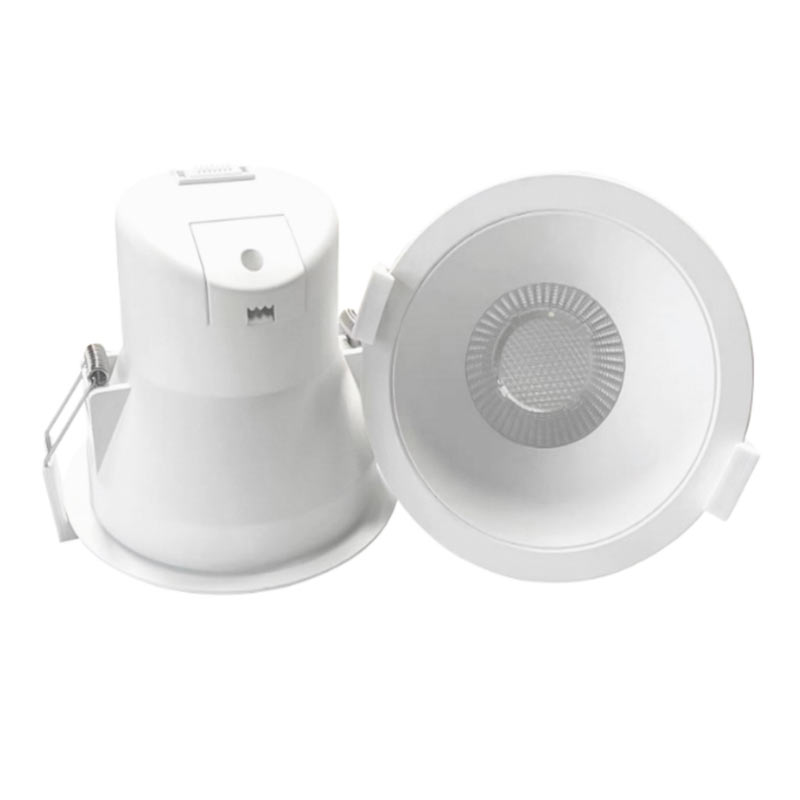
When it comes to choosing the right lighting for your home or commercial space, it’s important to consider not only the visual impact but also the long-term costs, energy efficiency, and environmental impact. While traditional lighting options like incandescent and fluorescent bulbs have been popular for decades, LED downlights are quickly gaining popularity.
1. Energy Efficiency
One of the primary reasons to choose LED downlights over traditional lighting options is their remarkable energy efficiency. Traditional incandescent bulbs are notoriously inefficient, with only about 5% of the energy being converted into light, while the remaining 95% is lost as heat. On the other hand, fluorescent lights are more energy-efficient but still consume a significant amount of power compared to LEDs.
LED downlights use about 80% to 90% less energy than incandescent bulbs while delivering the same level of brightness. For example, a traditional 60-watt incandescent bulb could be replaced by an 8-12 watt LED, providing substantial energy savings. This translates to a noticeable reduction in your electricity bills. Over time, this can add up to significant savings, especially in spaces where lights are left on for extended periods, such as offices, kitchens, or hallways.
Furthermore, LED technology is becoming more advanced, with innovations that make them even more energy-efficient. Many LED downlights are equipped with features such as dimming capabilities, which further optimize energy consumption. By adjusting the brightness to suit your needs, you can reduce energy use without compromising on lighting quality.
2. Longevity and Durability
Another compelling reason to choose LED downlights is their long lifespan. Traditional incandescent bulbs typically last around 750 to 1,000 hours, and even fluorescent bulbs last between 8,000 and 15,000 hours. In comparison, LED downlights last between 25,000 to 50,000 hours, depending on the model and manufacturer. This longevity means fewer bulb replacements and reduced maintenance costs, which is especially beneficial in commercial spaces or hard-to-reach areas, such as high ceilings or outdoor installations.
The durability of LED downlights is another advantage. Unlike incandescent and fluorescent bulbs, LEDs do not have fragile filaments or glass tubes that can break easily. LED downlights are solid-state lights, which makes them more resistant to shocks, vibrations, and impacts. This durability makes LEDs ideal for high-traffic areas, industrial settings, and locations exposed to physical stress, such as warehouses or construction sites.
Moreover, the longer lifespan of LED downlights also means less waste is generated, reducing the environmental impact of discarded bulbs. With fewer replacements required, the overall resource usage is reduced, contributing to sustainability efforts.
3. Lower Heat Emission
Traditional incandescent bulbs are notorious for generating a lot of heat, which not only wastes energy but can also raise the temperature in a room, particularly in smaller spaces or during the summer months. Fluorescent bulbs, while somewhat more energy-efficient, still emit significant heat compared to LED downlights.
LED downlights produce much less heat. They are designed to operate at a lower temperature, which not only saves energy but also helps to keep indoor spaces cooler. This is particularly beneficial in areas like kitchens, offices, or other environments where heat from lighting can interfere with comfort. By using LED downlights, you can reduce the load on air conditioning systems, which in turn lowers your energy consumption.
Additionally, the reduced heat output from LEDs means there is less risk of the light fixture or surrounding areas overheating, reducing the risk of fire hazards. This added safety makes LED downlights a safer choice for both residential and commercial applications.
| Feature | Traditional Lighting (Incandescent/Fluorescent) | LED Downlights |
|---|---|---|
| Energy Consumption | High (Incandescent: 60W for 800 lumens) | Low (LED: 10W for 800 lumens) |
| Lifespan | Short (750-15,000 hours) | Long (25,000-50,000 hours) |
| Heat Emission | High (Significant heat output) | Low (Minimal heat generation) |
| Durability | Fragile (Filaments or glass tubes) | Durable (Solid-state, resistant to shocks) |
4. Improved Light Quality and Ambience
LED downlights provide a better and more consistent light quality than traditional lighting options. Unlike incandescent bulbs, which often take a few moments to reach their full brightness, LED downlights turn on instantly, providing immediate and consistent illumination. This makes them an ideal lighting option for spaces that require reliable, bright light without delay, such as kitchens or workspaces.
Furthermore, LED downlights come in a range of color temperatures, allowing you to customize the lighting to suit your needs. Whether you prefer warm white light for a cozy living room or cool white light for a more energizing atmosphere in an office or bathroom, LED downlights can meet your specific requirements. Many LED downlights also come with dimming capabilities, so you can adjust the brightness to create the perfect ambiance for any occasion.
Another key benefit of LED downlights is that they emit less glare, creating a more comfortable and visually pleasing environment. Traditional incandescent bulbs often have a harsh, direct light that can cause eye strain, while LEDs provide a softer, more diffused light that is easier on the eyes.
5. Eco-Friendliness
As environmental concerns continue to grow, choosing eco-friendly lighting options has become a priority for many homeowners and businesses. LED downlights are an environmentally responsible choice because they consume less energy, reducing the demand for electricity, which in turn lowers carbon emissions. The energy savings from switching to LED lighting can help reduce your overall carbon footprint.
Unlike fluorescent lights, which contain harmful substances like mercury, LED downlights do not contain toxic materials and are fully recyclable. This makes them a safer and more sustainable choice for both residential and commercial use. With fewer toxic materials in the waste stream, LED lights pose less of a risk to the environment when they are disposed of, unlike traditional bulbs that require special handling due to hazardous substances.
Furthermore, the long lifespan of LED downlights reduces the frequency of replacements, which means fewer bulbs are disposed of, further minimizing waste and landfill accumulation.
6. Cost-Effectiveness
While the initial cost of LED downlights can be higher than that of traditional incandescent or fluorescent bulbs, the long-term savings far outweigh the upfront investment. LEDs use significantly less energy, which leads to substantial savings on your electricity bill. Additionally, since LED downlights last much longer than traditional bulbs, you will save on replacement costs.
For instance, the average household or business that switches to LED lighting can expect to save hundreds of dollars annually in energy costs, depending on usage. In commercial settings, where lights are often on for long hours, the savings can be even more substantial. Over time, the cost of purchasing and installing LED downlights is offset by the reduction in energy and maintenance expenses.
7. Smart Lighting Compatibility
Modern LED downlights are compatible with smart home technology, offering enhanced convenience and flexibility. You can integrate your LED lights with smart systems such as Google Home, Amazon Alexa, or Apple HomeKit, allowing you to control your lighting remotely through voice commands or apps.
Many smart LED downlights also come with features like dimming, color temperature adjustment, and automated scheduling, so you can set the lighting to suit your lifestyle. For example, you can program the lights to turn on when you enter a room or gradually dim them in the evening to create a relaxing atmosphere.
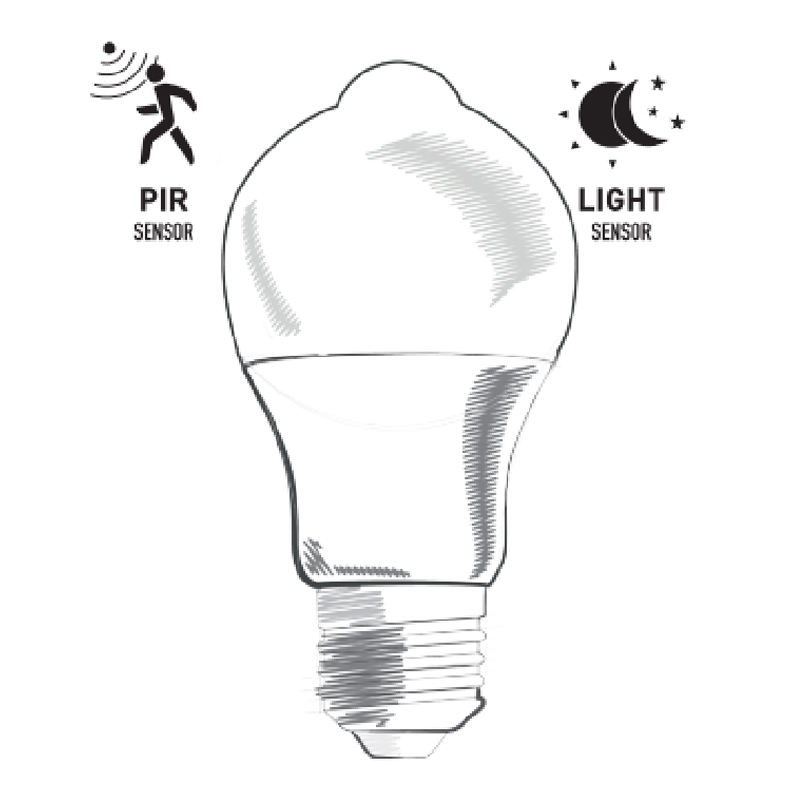
Smart lighting not only offers convenience but also helps save energy. By using motion sensors or timers, you can ensure that lights are only on when needed, further reducing energy consumption.
8. Flexibility in Design and Application
LED downlights come in a wide variety of designs, sizes, and configurations, making them suitable for a range of applications. Whether you’re outfitting a modern office, a cozy living room, or a stylish restaurant, LED downlights can fit seamlessly into any interior design. They are also available in both fixed and adjustable versions, allowing you to direct the light where it’s needed most.
In addition to their design versatility, LED downlights are available in different color temperatures, allowing you to adjust the lighting to suit different activities or moods. They are suitable for both residential and commercial applications, including bathrooms, kitchens, hallways, and even outdoor spaces if they are rated for wet conditions.
9. Low Maintenance
LED downlights are designed to require minimal maintenance. Since they last much longer than traditional bulbs, you won’t need to replace them as frequently. This is particularly advantageous in commercial spaces or hard-to-reach areas, where replacing lights can be a hassle and costly.
Moreover, because LEDs are more durable and resistant to shock, vibration, and external impacts, they are less likely to break or malfunction, further reducing the need for repairs or replacements. This makes LED downlights a practical and low-maintenance lighting solution for a wide variety of environments.
10. Better for Commercial Applications
For businesses, LED downlights offer a cost-effective solution with many additional benefits. The energy savings from using LED lighting can make a significant difference in commercial settings, where lighting is used for long periods each day. Offices, retail stores, and warehouses can all benefit from the reduced electricity costs associated with LED lighting.
Additionally, the improved light quality and ambiance provided by LED downlights can enhance the customer experience and employee productivity. Whether it’s creating a welcoming atmosphere for customers or providing the right light for focused work in an office, LED downlights offer both functionality and style.
FAQ
Q1: How much can I save by switching to LED downlights?
Switching to LED downlights can save you up to 80-90% on your energy bills compared to traditional incandescent bulbs.
Q2: Are LED downlights better for the environment?
Yes, LED downlights use less energy, last longer, and contain no toxic materials, making them an environmentally friendly lighting option.
Q3: Can LED downlights be used outdoors?
Yes, there are LED downlights specifically designed for outdoor use. Make sure to choose ones that are rated for wet or damp conditions if you plan to use them outside.
Q4: How do LED downlights help reduce energy consumption?
LED downlights consume significantly less energy than traditional bulbs, reducing the overall demand for electricity and lowering energy costs.
Q5: Are LED downlights compatible with dimmer switches?
Yes, many LED downlights are dimmable, allowing you to adjust the brightness to suit your needs.
References
- “The Energy Efficiency of LED Lighting,” U.S. Department of Energy, 2022.
- “LED Lighting for Sustainability and Cost Savings,” Environmental Lighting Solutions, 2023.
- “The Advantages of LED Lighting in Commercial and Residential Settings,” Lighting Research Center, 2021.
