
 English
 中文简体
中文简体 عربى
عربى Español
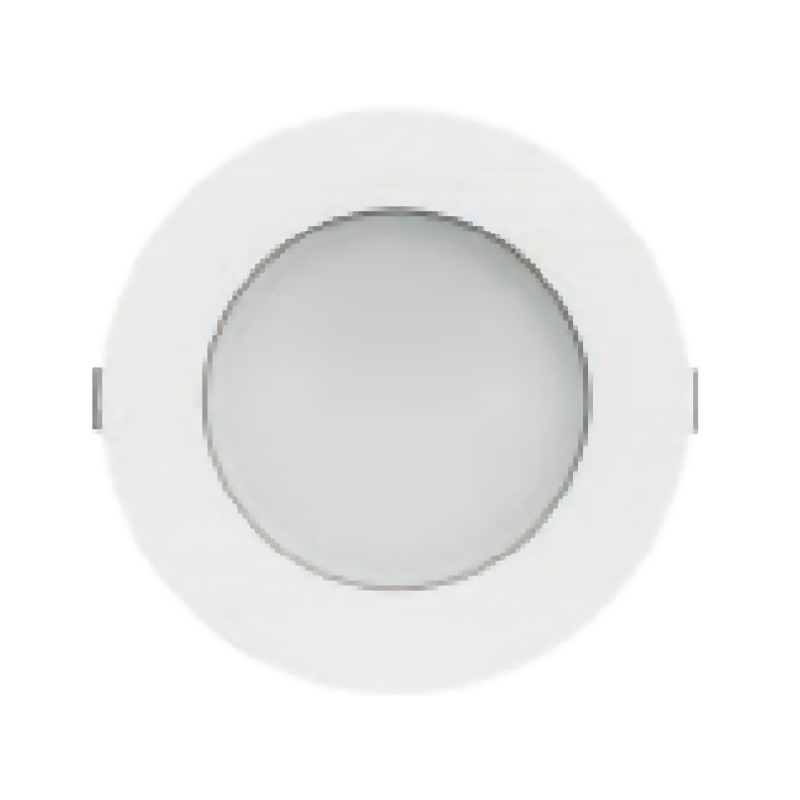
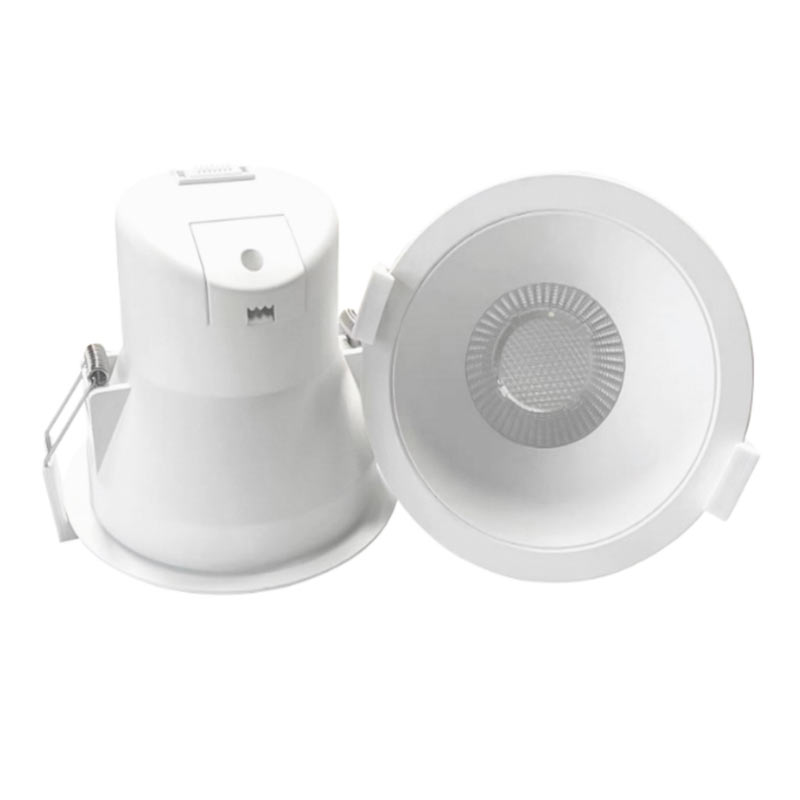
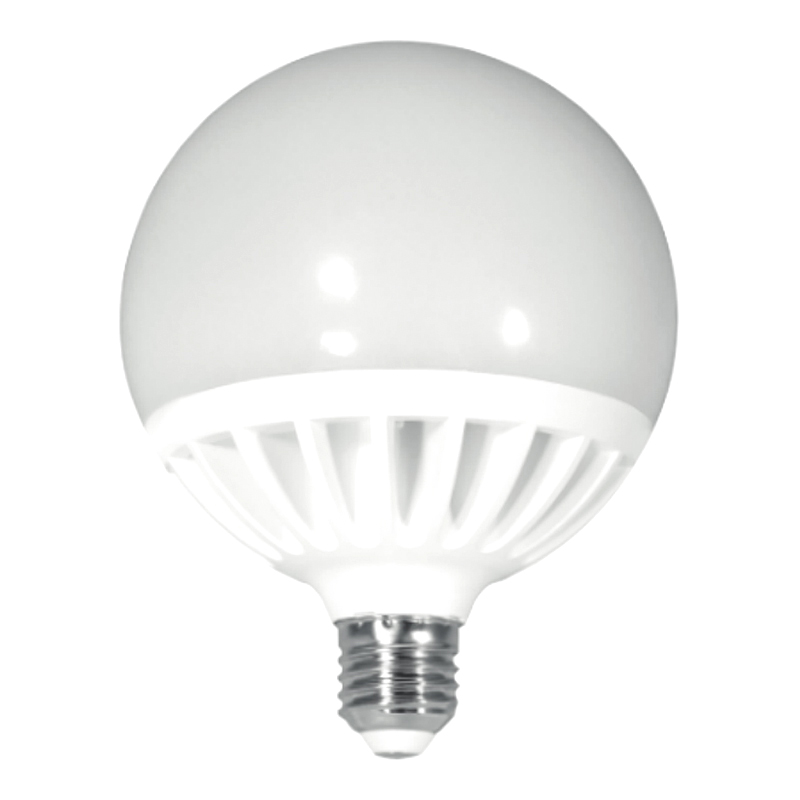
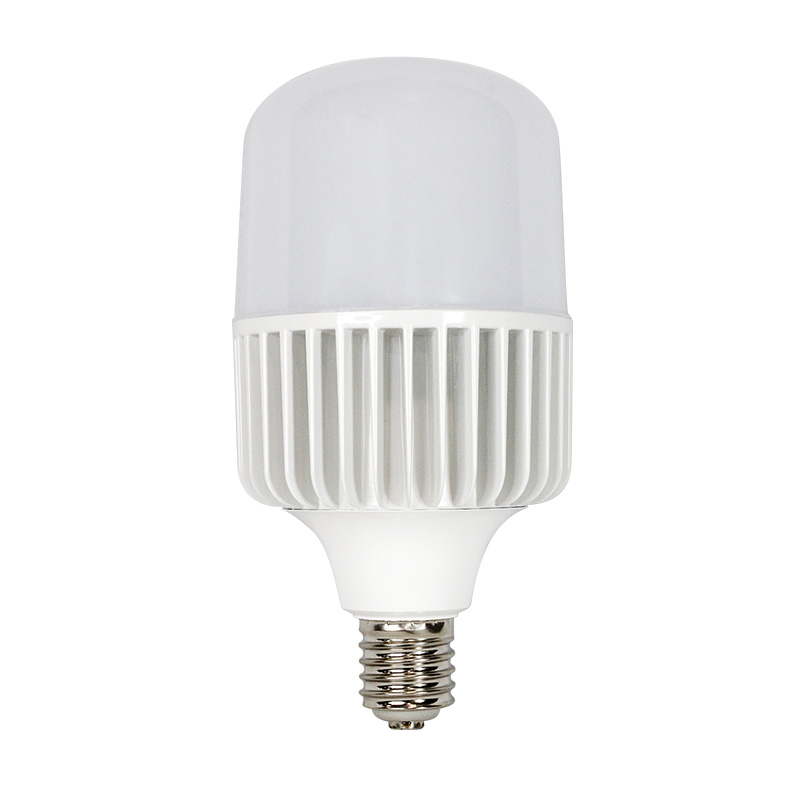
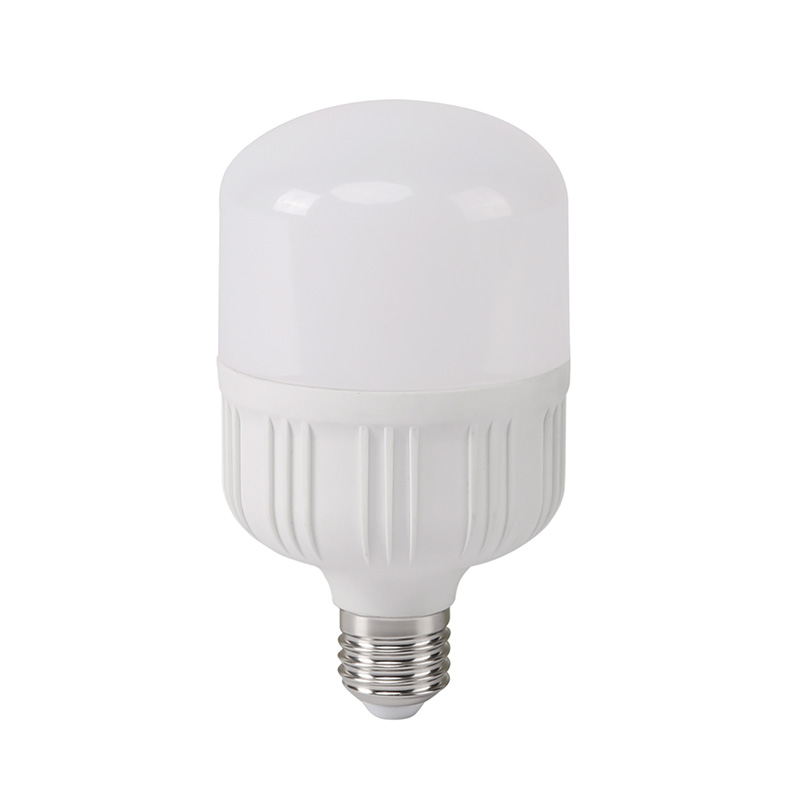
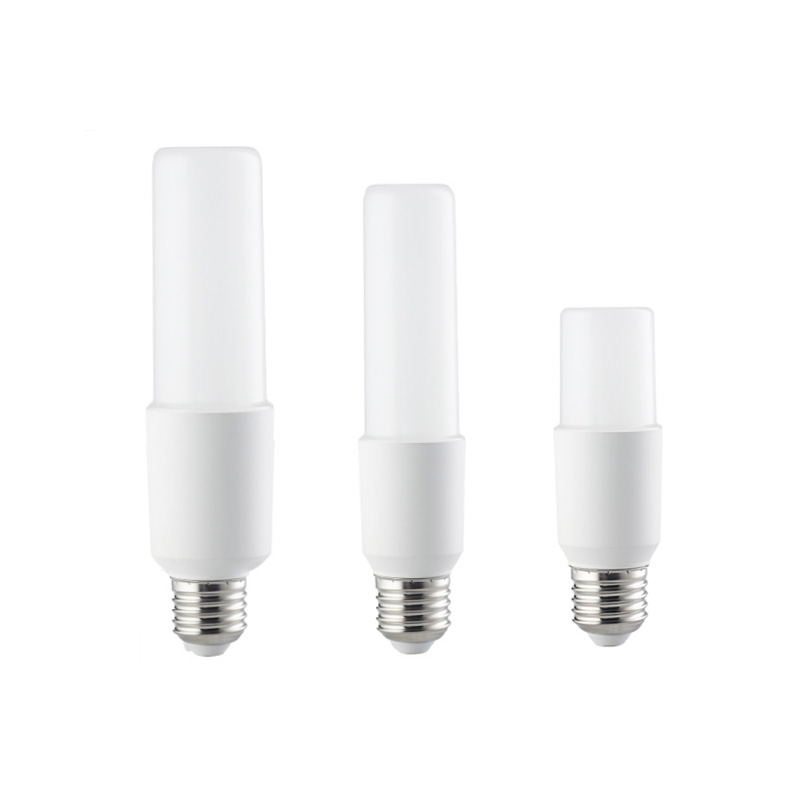
Introduction to LED Ceiling Lights LED ceiling lights have become a popular choice for modern homes,...
Content
- 1 1. Higher Efficiency in Energy Conversion
- 2 2. Longer Lifespan Reduces Frequent Replacements
- 3 3. Lower Heat Emission Improves Energy Efficiency
- 4 4. Dimming Capabilities and Smart Controls
- 5 5. Reduced Need for High Wattage Bulbs
- 6 6. Environmentally Friendly and Sustainable
- 7 7. Cost Savings Over Time
- 8 FAQ
In recent years, LED ceiling lights have become a staple in both residential and commercial lighting. Their energy efficiency is one of the primary reasons behind their growing popularity. Unlike traditional lighting solutions like incandescent and fluorescent lights, LED ceiling lights significantly reduce energy consumption, which leads to lower electricity bills and a smaller carbon footprint.
1. Higher Efficiency in Energy Conversion
The core reason why LED ceiling lights are more energy-efficient than traditional lighting is their ability to convert energy into light more effectively. Incandescent bulbs, for example, work by heating a filament to produce light. This process is highly inefficient, with around 90% of the energy being lost as heat. Even though compact fluorescent lights (CFLs) are more efficient than incandescent bulbs, they still consume a relatively high amount of power compared to LED lights.
LED ceiling lights, on the other hand, use semiconductor technology to produce light. LEDs are designed to convert almost 90% of the energy they consume into light, making them much more efficient than traditional lighting options. For example, a 12-watt LED ceiling light can produce the same amount of light (measured in lumens) as a 60-watt incandescent bulb. This efficiency means that LED ceiling lights use less electricity to achieve the same or even higher levels of brightness, leading to immediate reductions in energy usage.
This conversion efficiency is what drives the lower energy consumption associated with LED ceiling lights. The result? Lower electricity bills and a reduction in the overall demand for electricity, which is especially important in areas with high energy consumption.
2. Longer Lifespan Reduces Frequent Replacements
Another major factor contributing to energy savings is the long lifespan of LED ceiling lights. Traditional incandescent bulbs typically last between 750 to 1,000 hours, while CFLs offer a lifespan of approximately 8,000 to 15,000 hours. In contrast, LED ceiling lights can last anywhere between 25,000 to 50,000 hours, depending on the model and manufacturer.
This extended lifespan significantly reduces the need for frequent replacements, which is both cost-effective and energy-saving. Fewer replacements mean less energy is consumed in the production, transportation, and disposal of new light bulbs. In commercial settings, where large quantities of lights are used, this reduction in replacement frequency can lead to considerable savings in both labor and material costs.
Moreover, since LEDs are solid-state lights with no filaments or glass tubes that can break, they are also more durable. This durability further minimizes the need for repairs and replacements, making them an ideal option for both residential and commercial use.
3. Lower Heat Emission Improves Energy Efficiency
Another key advantage of LED ceiling lights over traditional options is their minimal heat output. Incandescent bulbs produce a significant amount of heat, which not only wastes energy but also contributes to higher cooling costs. When the air conditioning system has to work harder to cool down a room because of the heat emitted by the lights, it leads to even more energy consumption.
LED ceiling lights, by contrast, are designed to operate at lower temperatures. They emit very little heat compared to incandescent or even CFL bulbs. This reduction in heat production means that LED ceiling lights not only help reduce your electricity bill but also decrease the load on your air conditioning system.
In environments where lighting is used for long periods, such as offices, stores, or large homes, the energy savings from reduced heat generation can be quite substantial. By helping to maintain a cooler temperature, LED ceiling lights can reduce the amount of energy needed for cooling systems, further lowering overall energy consumption.
| Lighting Type | Energy Consumption (Wattage) | Heat Emission | Average Lifespan |
|---|---|---|---|
| Incandescent | 60W | High (90% lost as heat) | 1,000 hours |
| CFL | 15W | Moderate | 8,000 - 15,000 hours |
| LED Ceiling Light | 12W | Low | 25,000 - 50,000 hours |
4. Dimming Capabilities and Smart Controls
Many modern LED ceiling lights come equipped with dimming features or are compatible with smart home systems. This adds another layer of energy efficiency to the lighting setup. Dimming the lights allows you to reduce the light output when full brightness is not necessary, such as in the evening or during cloudy days. This can save even more energy and prolong the lifespan of the lights.
Additionally, smart controls make it possible to integrate LED ceiling lights into automated systems. For example, you can set timers to ensure that the lights turn off when not needed or use motion sensors to automatically adjust the lighting based on occupancy. Smart lighting can also be programmed to adjust brightness based on the time of day or activity being performed in the room.
By only using the amount of light necessary at any given moment, you avoid the waste associated with leaving lights on at full brightness all the time. This type of control is especially valuable in commercial spaces, where lighting needs can vary throughout the day, and rooms may be unoccupied for extended periods.
5. Reduced Need for High Wattage Bulbs
LED ceiling lights require far less wattage to produce the same amount of light as incandescent bulbs. A typical 12-watt LED light can easily match the brightness of a 60-watt incandescent bulb. This reduction in wattage is particularly beneficial for larger spaces, where numerous bulbs are typically used.
In larger commercial buildings or homes, this reduction in wattage can lead to substantial savings. If you replace a large number of high-wattage bulbs with energy-efficient LED ceiling lights, the energy savings can add up quickly. Over time, these savings can offset the initial investment in LED lights, making them a highly cost-effective lighting option.
Additionally, because LED lights use less electricity, they put less strain on the electrical grid. This reduces the overall demand for power and contributes to energy conservation on a larger scale.
6. Environmentally Friendly and Sustainable
LED ceiling lights are also an eco-friendly choice. They contain no harmful substances such as mercury, which is commonly found in fluorescent lights. LEDs are fully recyclable and, therefore, a safer option for the environment when disposed of properly. In addition, the energy savings associated with LEDs contribute to a reduction in carbon emissions, especially if your electricity comes from non-renewable sources.
The long lifespan of LED lights also reduces the frequency of manufacturing, shipping, and disposal, further decreasing the environmental impact. By choosing LED ceiling lights, you help reduce waste and support a more sustainable future.
7. Cost Savings Over Time
Although LED ceiling lights are typically more expensive upfront than traditional incandescent or CFL bulbs, they pay for themselves over time through energy savings. The higher initial cost is offset by the energy savings from reduced electricity consumption and the need for fewer replacements.
For instance, switching from incandescent bulbs to LED ceiling lights can save you up to 80% on your electricity bill. Over the course of several years, the cumulative savings on your electricity bill will exceed the initial cost of purchasing and installing the LEDs.
In commercial settings, the long-term cost savings are even more significant, as these spaces often require large-scale lighting solutions. The reduction in energy consumption can significantly reduce overall operating costs, especially in businesses with long hours of operation.
FAQ
Q1: How much energy can I save by switching to LED ceiling lights?
Switching to LED ceiling lights can reduce your energy consumption by up to 80%, depending on the wattage of the bulbs you are replacing.
Q2: Do LED ceiling lights last longer than traditional bulbs?
Yes, LED ceiling lights last significantly longer than incandescent and fluorescent bulbs, with lifespans ranging from 25,000 to 50,000 hours.
Q3: Are LED ceiling lights better for the environment?
Yes, LED ceiling lights are environmentally friendly because they use less energy, contain no toxic materials like mercury, and have a long lifespan that reduces waste.
Q4: Can I use LED ceiling lights with dimmers or smart controls?
Yes, many LED ceiling lights are compatible with dimmer switches and smart home systems, allowing you to control brightness and save energy.
Q5: How do LED ceiling lights help reduce cooling costs?
LED ceiling lights produce very little heat compared to incandescent bulbs, reducing the load on air conditioning systems and helping to lower cooling costs.
