
 English
 中文简体
中文简体 عربى
عربى Español
Introduction to LED Ceiling Lights LED ceiling lights have become a popular choice for modern homes,...
Content
- 1 1. Turn Off the Power
- 2 2. Choose the Mounting Location
- 3 3. Prepare the Mounting Surface
- 4 4. Install the Mounting Bracket
- 5 5. Wiring the Spotlight
- 6 6. Attach the Spotlight to the Mounting Bracket
- 7 7. Check the Installation
- 8 8. Restore Power and Test the Spotlight
- 9 FAQ (Frequently Asked Questions)
- 10 Related References
Installing an LED spotlight is a straightforward task that you can accomplish with a few basic tools and careful attention to safety. Whether you want to highlight artwork, illuminate a particular area of your home, or use spotlights for functional purposes like task lighting, this step-by-step guide will ensure a successful installation. Follow the instructions below to get your LED spotlight up and running in no time.
1. Turn Off the Power
Before you begin any electrical installation, the first and most important step is to turn off the power. This ensures you avoid any accidental shocks while working with the wiring. Go to the electrical panel and switch off the breaker connected to the room or area where you’ll be installing the spotlight.
If you’re uncertain which breaker to flip, you can use a voltage tester to confirm the power is off. The tester will show whether any electrical current is running through the wires. This is essential for your safety. Never attempt to install electrical fixtures while the power is on.
Once the power is off, you can confidently move to the next steps without worrying about electrocution or short-circuiting. Make sure you double-check that no electrical current is running by testing the existing light or using a non-contact voltage tester.
2. Choose the Mounting Location
Choosing the right location for your LED spotlight is crucial for both functionality and aesthetic appeal. LED spotlights can be installed on either the ceiling or wall, depending on your intended use. Ceiling-mounted spotlights are excellent for illuminating large areas or for use in kitchens, living rooms, or galleries. Wall-mounted spotlights work well in smaller spaces or when you want to highlight a specific feature, like artwork or a reading nook.
Consider the following factors when choosing a location:
- Light coverage: Ensure the spotlight will cover the area you want to illuminate. Test the potential angle and ensure the light is not obstructed by furniture or walls.
- Distance from power source: If you’re wiring the spotlight into an existing system, make sure the installation location is within reach of your power supply and wiring.
- Aesthetic and function: Think about how the light will look once installed. Will it enhance the overall design of your room or focus light where it’s needed most?
The table below summarizes the key factors to consider based on where you want to place your spotlight:
| Location | Best For | Considerations |
|---|---|---|
| Ceiling | Large areas, general lighting, or highlighting ceilings | Requires access to ceiling wiring, uses a bracket |
| Wall | Accent lighting, artwork, or small spaces | Can add a modern touch but may need extra wiring options |
| Near power supply | Ease of installation and minimal wiring hassle | Ideal for retrofitting existing fixtures |
3. Prepare the Mounting Surface
Once you’ve chosen your location, the next step is preparing the mounting surface. Whether you’re installing the spotlight on the ceiling or the wall, you will need to drill holes for the mounting bracket or fixture.
First, use a level to ensure your spotlight will be positioned straight. Mark the drill spots where the screws or anchors will go. If you’re installing the spotlight on drywall, use a stud finder to locate the studs in the wall to secure the screws. If you are drilling into concrete or brick, you may need specialized anchors or drill bits.
For ceiling installations, ensure that you’re drilling into a secure surface that can support the weight of the spotlight. This may require using additional wall anchors or stronger screws for drywall, as ceilings can be less sturdy than walls. Once the spots are marked, proceed with drilling the holes carefully to avoid damaging the wall or ceiling.
After drilling, insert wall anchors if necessary. These provide extra stability for the screws and prevent the fixture from loosening over time. If you’re mounting the spotlight on drywall without direct studs, wall anchors are a must.
4. Install the Mounting Bracket
The next step is installing the mounting bracket. If your LED spotlight comes with a bracket, position it over the drilled holes, and secure it using the screws provided. Tighten them firmly but avoid overtightening to prevent cracking the drywall or damaging the mounting fixture.
For wall or ceiling installations, the mounting bracket is often the structure that holds the spotlight in place. Ensure the bracket is aligned properly and level before securing it. If the spotlight does not include a bracket, you will need to attach the spotlight directly to the surface, depending on the model’s design.
For particularly heavy spotlights, it may be necessary to use extra screws or anchors to support the weight. Check the manufacturer’s guidelines for weight limits and installation instructions for added safety.
5. Wiring the Spotlight
Now that the mounting bracket is secured, it’s time to connect the wiring. First, disconnect any existing light fixture you may be replacing. Use a wire stripper to expose the ends of the wires, if necessary.
Your spotlight should have three main connections:
- Live wire (usually black or red)
- Neutral wire (usually white)
- Ground wire (usually green or copper)
Carefully twist the corresponding wires together. Secure them with wire nuts to ensure there are no exposed wires that could cause a short circuit. If you have doubts, it’s a good idea to consult a professional electrician to ensure the wiring is correct.
If the spotlight has a quick-connect terminal, you can simply connect the wires directly to the designated terminals. If needed, use electrical tape to secure connections. Make sure the connections are tight and properly insulated.
6. Attach the Spotlight to the Mounting Bracket
With the wiring in place, you can now attach the spotlight to the mounting bracket. Depending on the design of the spotlight, this may involve sliding it into place and securing it with additional screws or tightening it onto a fixture.
Once the spotlight is attached, adjust it to the desired angle or position. Many LED spotlights come with adjustable heads, which allow you to customize the beam’s direction. Make sure the light is pointing exactly where you want it and is not obstructed by any other elements in the room.
7. Check the Installation
Before you turn the power back on, double-check the installation. Ensure that the spotlight is securely fastened and that the wiring is properly connected. Any loose wires could cause malfunction or create a safety hazard.
If you have a dimmable spotlight, ensure that it is compatible with your dimmer switch. Some LED spotlights require a specific dimmer to function properly.
8. Restore Power and Test the Spotlight
Once you’re sure the installation is secure, restore power by turning the breaker back on. Switch on the spotlight to test it.
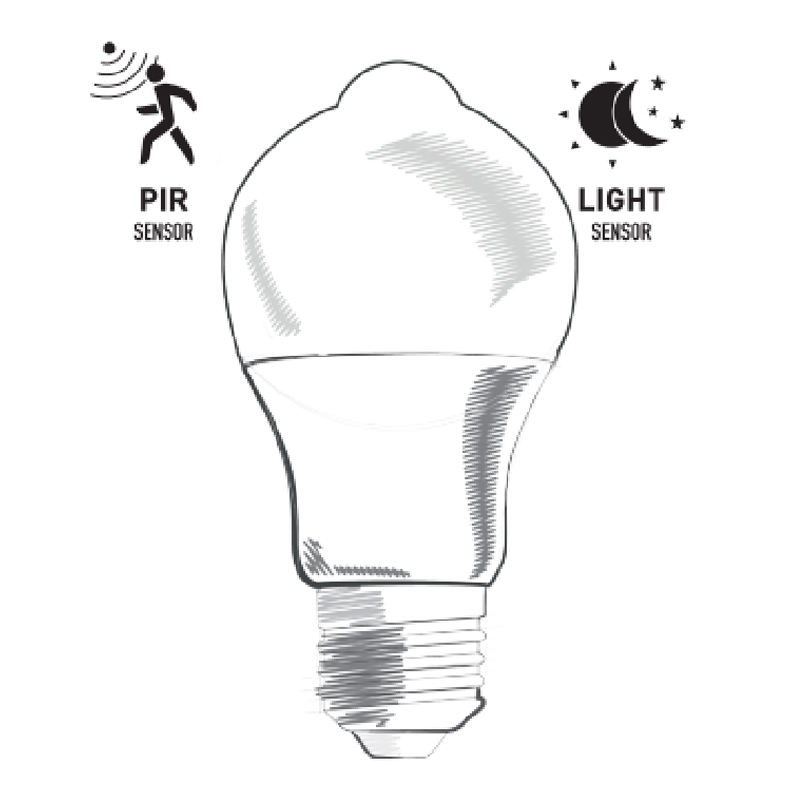
If it’s working correctly, it should illuminate immediately. Adjust the light’s brightness and angle to your liking. If the spotlight has a motion sensor, test it by walking in front of the light to make sure it activates properly.
FAQ (Frequently Asked Questions)
1. Can I install an LED spotlight myself?
Yes, you can install an LED spotlight yourself if you have basic electrical knowledge and the right tools. Just remember to follow safety precautions, such as turning off the power before installation.
2. Do I need an electrician to install an LED spotlight?
If you’re unfamiliar with electrical work or don’t feel confident, it’s best to hire a professional electrician. They can ensure the installation is done safely and correctly.
3. How long do LED spotlights last?
LED spotlights typically last between 25,000 to 50,000 hours, depending on the quality of the bulb and how often it’s used.
4. Can I install LED spotlights on the exterior?
Yes, there are weatherproof LED spotlights designed for outdoor use. Ensure that the fixture is rated for outdoor environments before installation.
Related References
- U.S. Department of Energy. (2020). “Energy Saver: LED Lighting.”
- Lighting Research Center. (2019). “LED Technology and Energy Efficiency.”
