
 English
 中文简体
中文简体 عربى
عربى Español
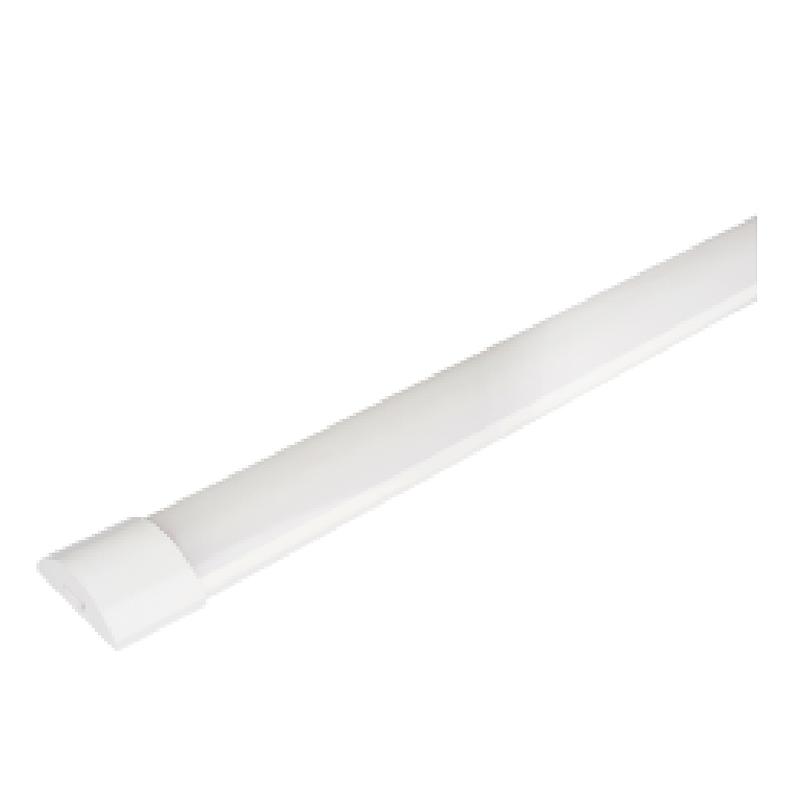
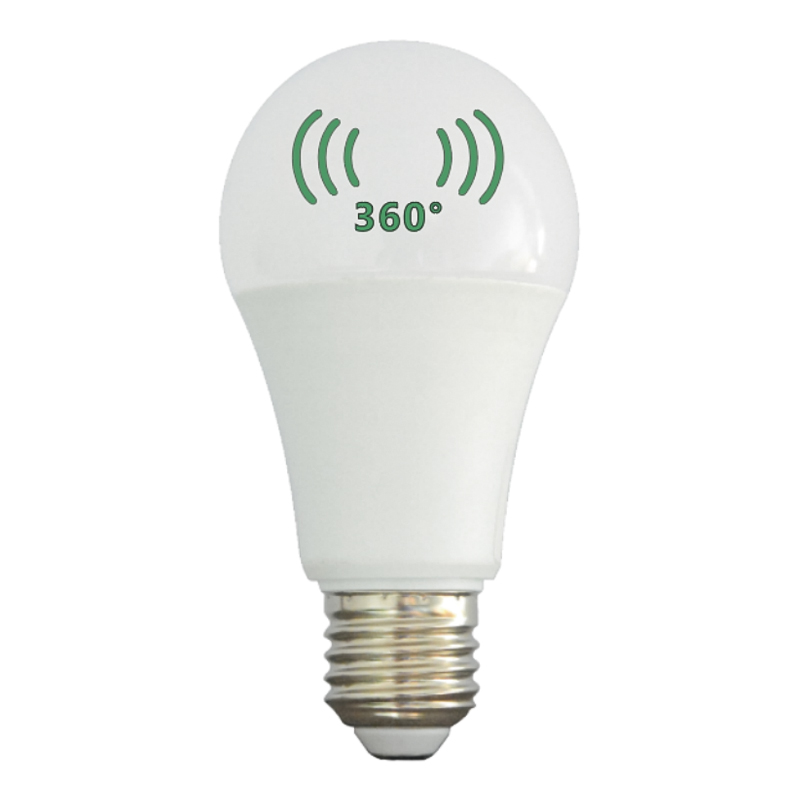
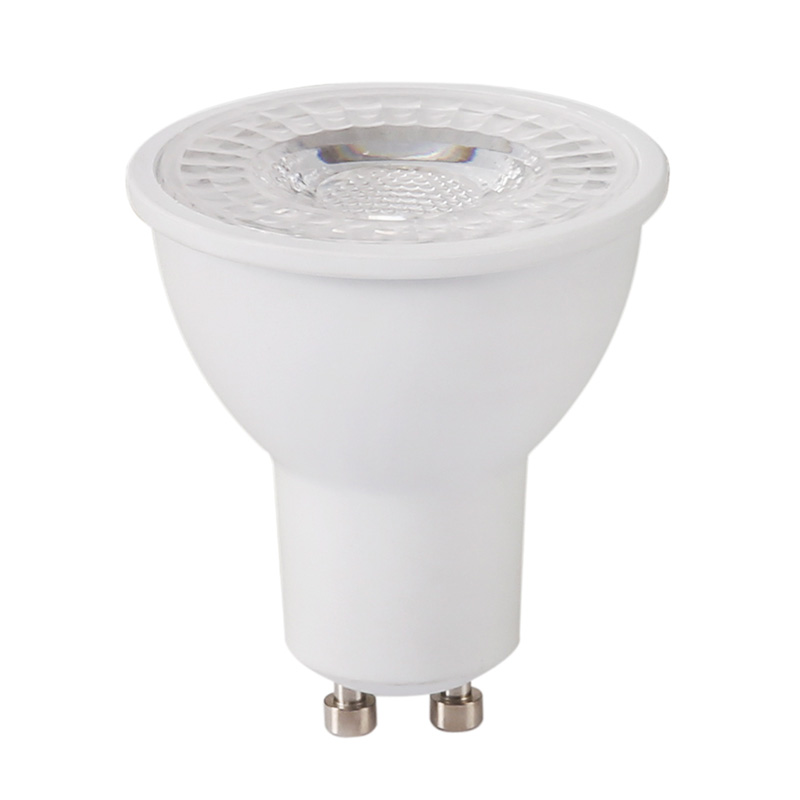
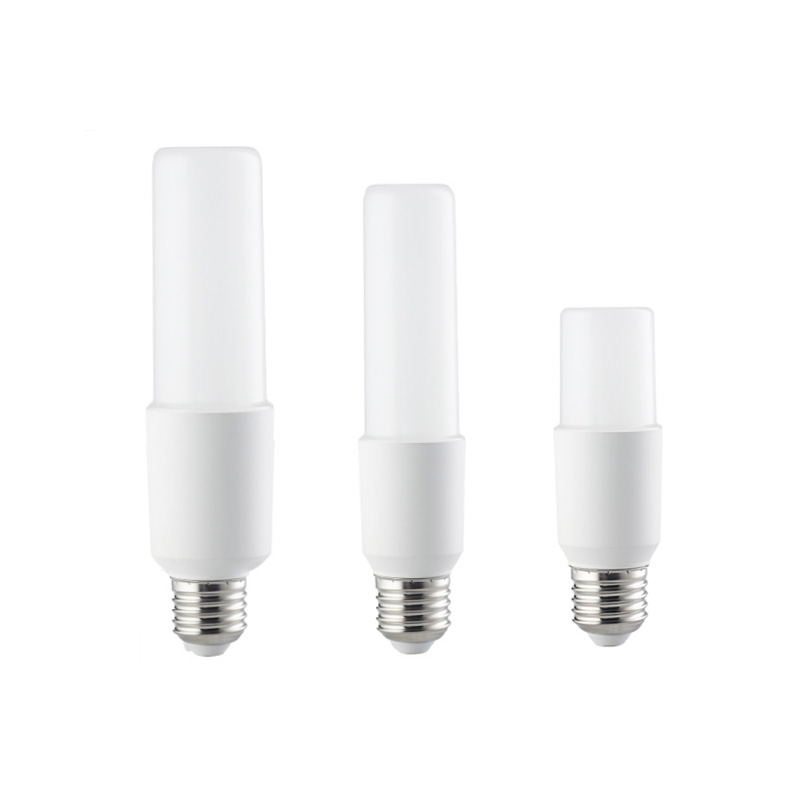
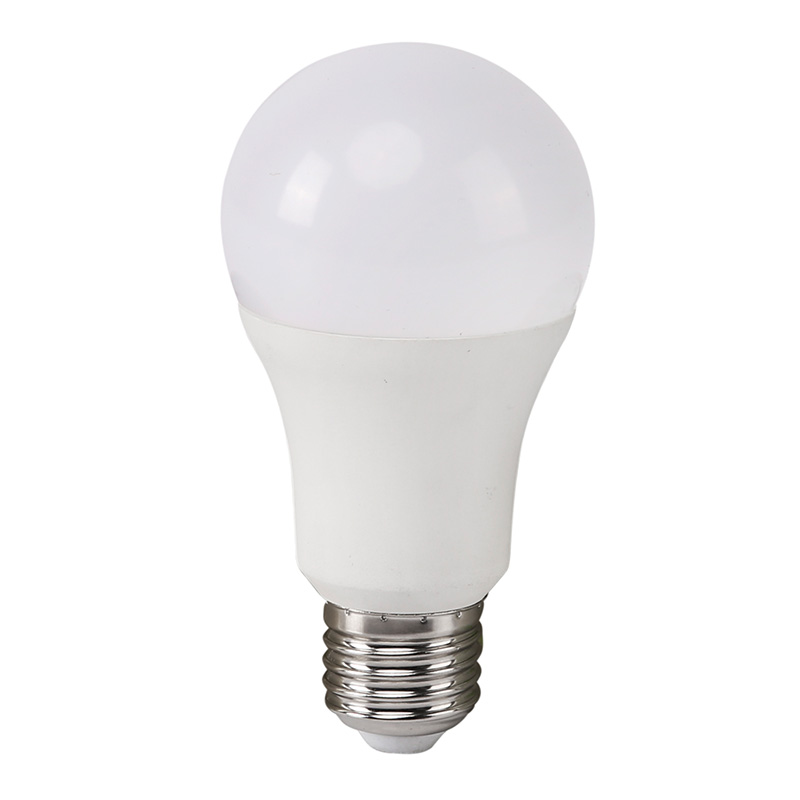
Introduction to LED Ceiling Lights LED ceiling lights have become a popular choice for modern homes,...
Content
Choosing the right LED Flood Light not only provides adequate illumination for your indoor or outdoor space but also helps you save energy and costs. To ensure that the floodlight you choose meets your needs, several key factors must be considered.
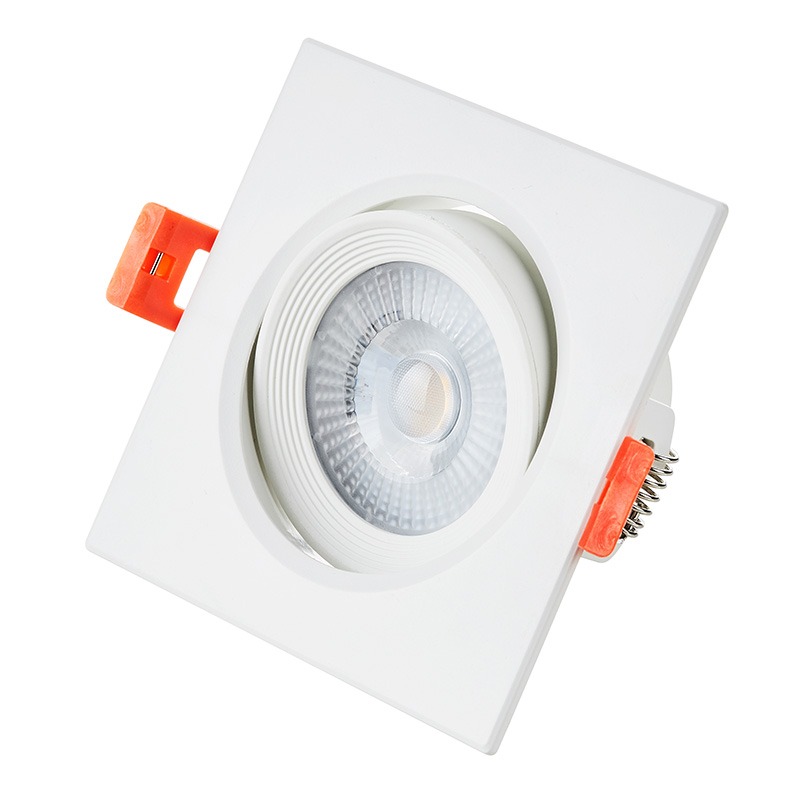
1. Lighting Needs and Brightness
The first step in selecting the right brightness is to understand your lighting requirements. Different environments and uses demand different levels of brightness. Choosing the wrong brightness may result in over-illumination or insufficient lighting, so understanding how to choose the correct brightness is crucial.
Brightness (Lumens) and Environment Type:
| Environment Type | Recommended Lumen Range | Suitable Wattage |
|---|---|---|
| Small yards or small areas | 1000-2000 lumens | 20W - 40W |
| Medium outdoor areas | 2000-4000 lumens | 40W - 100W |
| Large areas or commercial spaces | 4000 lumens and above | 100W - 400W |
- Small area lighting: For small areas like gardens, driveways, or entrances, 1000-2000 lumens of brightness is sufficient. Wattage ranges from 20W to 40W.
- Medium area lighting: For larger outdoor areas like parking lots, gardens, or porches, 2000-4000 lumens is appropriate, with wattage ranging from 40W to 100W.
- Large area lighting: For commercial spaces, factories, or sports fields, 4000 lumens and above is necessary, with wattages between 100W and 400W.
2. Power and Energy Efficiency
The wattage of LED floodlights directly affects the brightness and energy efficiency. Generally, higher wattage lights are suitable for larger areas, while lower wattage lights are ideal for smaller areas. Apart from wattage, the energy efficiency of the light is also very important. High-energy-efficient LED floodlights can provide adequate brightness while reducing electricity costs.
LED Light Efficiency:
- High-efficiency LED lights: Typically, they have lower wattage but higher brightness, making them ideal for energy-saving needs. They offer a high lumen-per-watt (lm/W) output.
- Low-efficiency LED lights: These may have higher wattages but lower brightness, leading to inefficient energy consumption.
When choosing an LED floodlight, opt for high-efficiency models that produce more than 100 lumens per watt. Although the initial investment may be higher, high-efficiency lights will help you reduce energy consumption and operating costs over the long term.
3. Beam Angle
The beam angle determines the coverage area of the light. Different beam angles are suited for different lighting needs, and selecting the right one ensures the optimal lighting effect.
- Narrow beam (20°-40°): Ideal for focused areas, such as building facades, billboards, or specific sculptures. This beam angle provides a concentrated light that covers a small area.
- Medium beam (60°-90°): Suitable for moderate-area lighting, such as courtyards or plazas.
- Wide beam (100°-120°): Best for large-area illumination, like parking lots or sports fields. These lights cover a broad area but may not be as concentrated as narrow beams.
4. Weather Resistance and Protection Rating
The weather resistance and protection rating of LED floodlights are especially important for outdoor use. If the light will be exposed to rain, dust, or extreme weather conditions, choosing a floodlight with a higher protection rating is crucial. The Ingress Protection (IP) rating measures the light’s ability to resist water and dust.
| IP Rating | Dust Protection | Water Protection |
|---|---|---|
| IP65 | Totally dustproof | Protected from water jets |
| IP67 | Totally dustproof | Immersion in water up to 1 meter |
| IP68 | Totally dustproof | Immersion in water for extended periods |
- IP65: Suitable for general outdoor environments, such as gardens, patios, or driveways, offering protection against rain and dust.
- IP67: Suitable for environments with higher moisture levels, capable of withstanding short-term immersion in water.
- IP68: Ideal for extreme environments, allowing long-term submersion in water, such as underwater lighting.
5. Color Temperature and Lighting Effect
Color temperature affects the ambiance and the appearance of the light. Different environments and needs require different color temperatures:
- Cool White (5000K-6500K): Ideal for industrial areas, warehouses, parking lots, and sports fields where bright, clear lighting is required.
- Warm White (2700K-3000K): Suitable for home gardens, outdoor décor, or areas where a warm, soft light is needed to create a cozy ambiance.
- Natural White (4000K-5000K): Perfect for courtyards, building facades, and areas where a balanced light is needed, offering neither too warm nor too cool a tone.
6. Installation Method and Position
The installation method of the LED floodlight affects its performance. Generally, floodlights can be installed in the following ways:
- Wall-mounted: Suitable for mounting on walls, often used for illuminating building exteriors or billboards.
- Bracket-mounted: Can be adjusted for the desired light angle, ideal for ground-level installations like gardens or parking lots.
- Ground-mounted: Directly installed on the ground or embedded underground, often used for landscape lighting or areas with flat ground.
The installation height and angle are also essential for achieving the best lighting effect. Installing the light too low may not achieve the desired coverage, while installing it too high may result in uneven illumination.
7. Brand and Quality Assurance
Choosing a reliable brand for your LED floodlight is essential. Established brands typically provide better quality products and superior customer service. High-quality lights not only have a longer lifespan but also ensure stable performance, minimizing maintenance and replacement costs.
8. Budget and Cost-Effectiveness
Budget is an important factor when choosing an LED floodlight. Although higher-priced LED lights generally offer better energy efficiency and longer lifespans, you should still ensure the light provides good value for money. Consider factors such as power, brightness, durability, and brand to make sure your budget can cover the most suitable light for your needs.
FAQ
1. Are LED Flood Lights suitable for indoor use?
While LED flood lights are mainly used for outdoor lighting, they can also be used indoors for special applications, such as large garages or commercial areas.
2. Are LED Flood Lights energy-efficient?
Yes, compared to traditional halogen or metal halide lamps, LED flood lights are much more energy-efficient and can significantly reduce energy consumption and electricity costs.
3. How do I choose the right wattage for my LED Flood Light?
When selecting wattage, consider the size of the area you wish to illuminate. Small areas need lower wattage, while larger areas require higher wattage lights.
4. What’s the difference between IP65 and IP67?
IP65 floodlights are protected from water jets and dust, but cannot be submerged in water, whereas IP67 lights can withstand short-term immersion in water, making them ideal for wet or damp environments.
5. How long do LED Flood Lights last?
High-quality LED flood lights typically last between 30,000 to 50,000 hours, far exceeding the lifespan of traditional lighting fixtures.
References
- “Understanding LED Light Fixtures and Their Energy Efficiency,” Energy.gov, 2022.
- “LED Flood Lights: Features, Benefits, and Application Areas,” Lighting Design Journal, 2021.
- “Choosing the Right Outdoor Lighting: A Complete Guide,” Home Lighting Weekly, 2023.
