
 English
 中文简体
中文简体 عربى
عربى Español
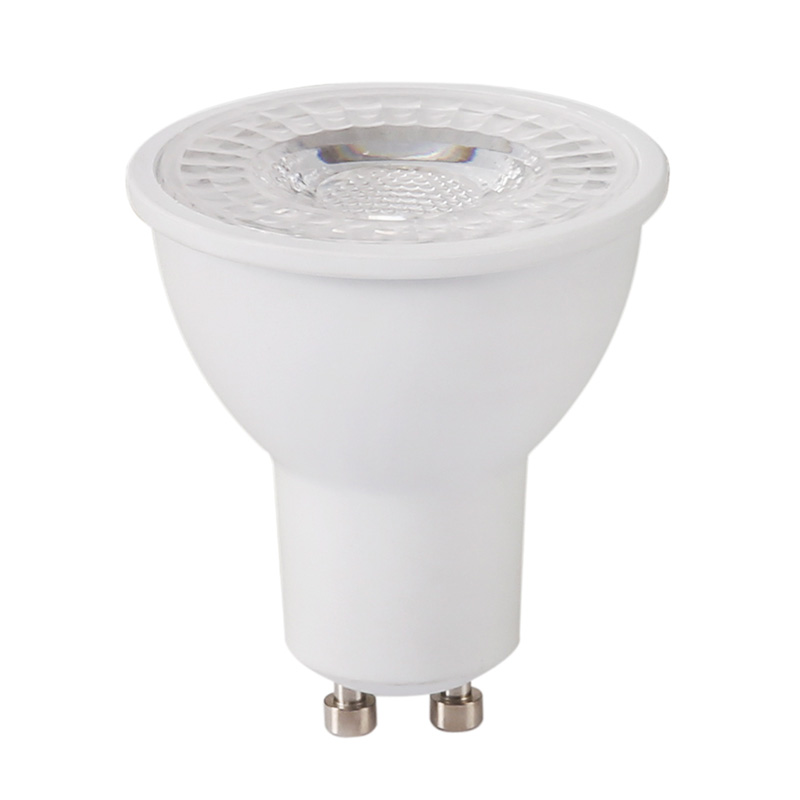
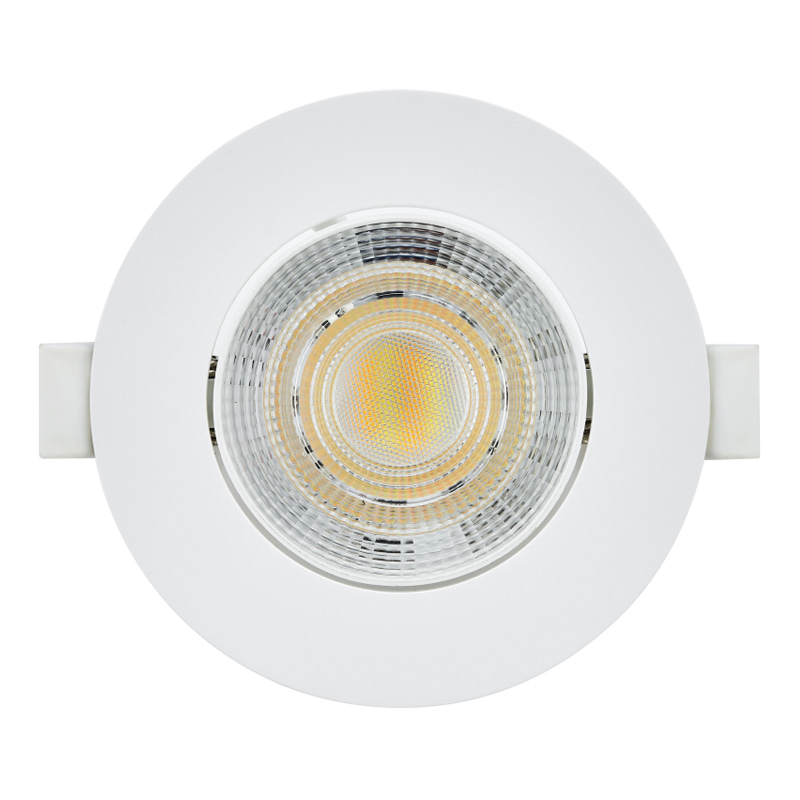
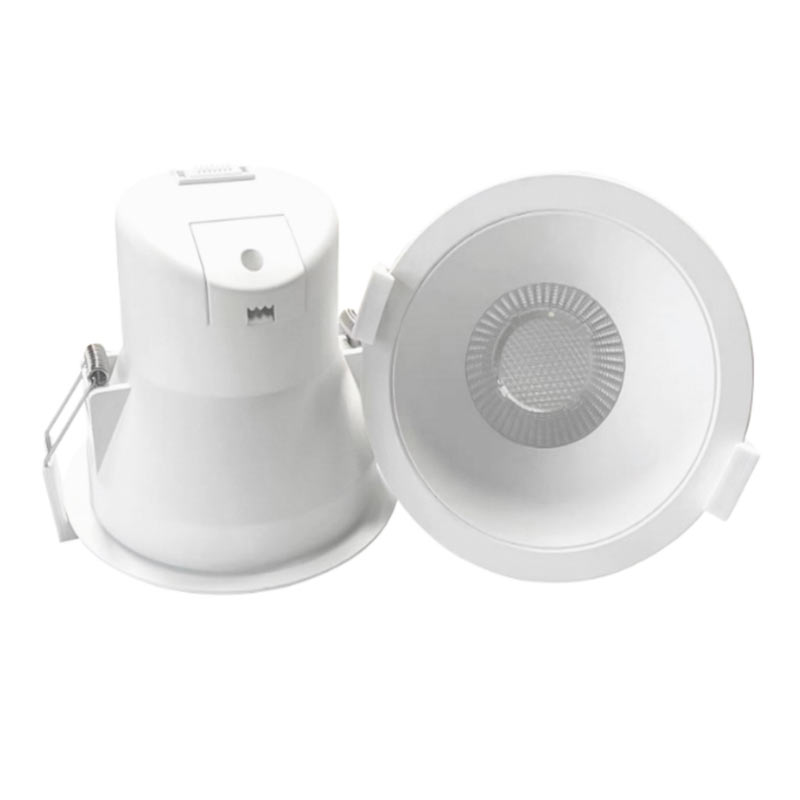
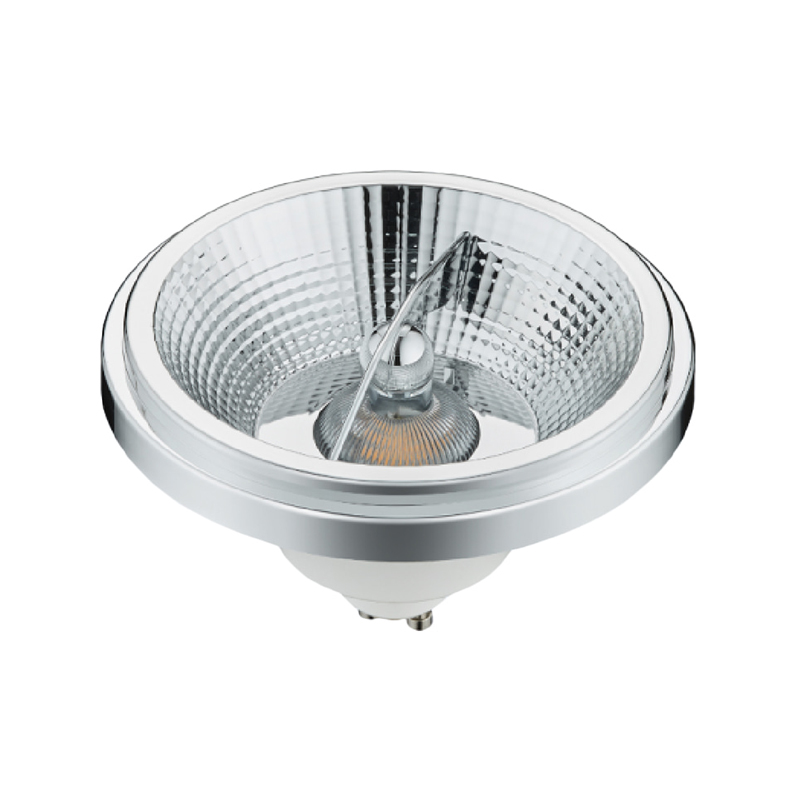
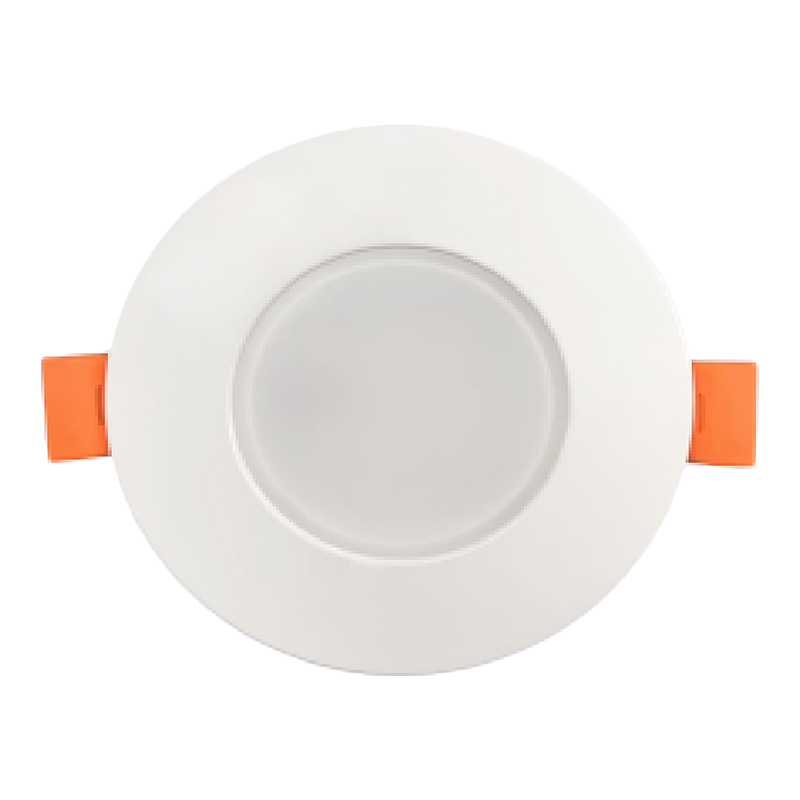
Introduction to LED Ceiling Lights LED ceiling lights have become a popular choice for modern homes,...
Content
- 1 The Direct Answer: What You Actually Need
- 2 Wattage vs. Lumens: Why the Distinction Matters
- 3 Lumen Requirements by Application
- 4 Beam Angle: The Variable Most Buyers Overlook
- 5 Color Temperature and CRI: Factors That Affect Perceived Effectiveness
- 6 How to Calculate the Right Output for Your Space
- 7 Red Flags: Signs You've Chosen the Wrong Spotlight
The Direct Answer: What You Actually Need
For most residential LED spotlights, 5–15W producing 400–1,000 lumens is the effective range. Accent lighting needs as little as 3W (200–300 lm), while outdoor security or commercial spots may demand 20–50W (2,000–5,000 lm). Wattage alone is a poor measure — lumens determine visible brightness; wattage only reflects energy consumption.
Wattage vs. Lumens: Why the Distinction Matters
Consumers often assume higher wattage equals brighter light — a habit carried over from incandescent bulbs. With LEDs, this is misleading. A high-quality LED spotlight can deliver 100–130 lumens per watt (lm/W), meaning a 10W LED can outshine a 40W incandescent (which yields only ~450 lm at ~11 lm/W).
| LED Wattage | Typical Lumens | Incandescent Equivalent | Common Use |
|---|---|---|---|
| 3–5W | 200–400 lm | 25–40W | Accent / display lighting |
| 6–10W | 500–900 lm | 50–75W | General residential spot |
| 10–15W | 900–1,500 lm | 75–100W | Kitchen, workspace, retail |
| 20–30W | 1,800–3,000 lm | 150–200W | Outdoor pathway / garden |
| 30–50W | 3,000–5,000 lm | 250–300W | Security floodlight / commercial |
Lumen Requirements by Application
The "right" lumen count depends entirely on what the spotlight is lighting and from what distance. Here are practical benchmarks:
Indoor Residential
- Accent / artwork: 200–400 lm (3–5W). Creates drama without washing out the surface.
- Living room recessed spots: 450–650 lm (5–7W) per fixture; use multiple for full coverage.
- Kitchen task lighting: 700–1,000 lm (8–10W) per spot to illuminate countertops clearly.
- Retail display: 1,000–1,500 lm (10–15W) to make products stand out under ambient competition.
Outdoor Applications
- Garden / landscape features: 700–1,200 lm (8–12W) for uplighting trees or walls.
- Driveway / pathway: 1,200–2,000 lm (12–20W) for safe navigation.
- Security spotlight: 2,000–5,000 lm (20–50W) to deter intruders and activate clearly in motion-sensor scenarios.
- Stadium / sports area: 10,000+ lm (100W+) per fixture, typically in arrays.
Beam Angle: The Variable Most Buyers Overlook
A 1,000 lm spotlight with a 15° narrow beam produces a focused, intense pool of light, while the same 1,000 lm spread over a 60° wide beam feels considerably dimmer on any given surface. This is called beam intensity, measured in candela (cd).
| Beam Angle | Type | Best For |
|---|---|---|
| 10°–15° | Narrow spot | Artwork, sculptures, long-throw uplighting |
| 24°–36° | Standard spot | Retail displays, recessed ceiling downlights |
| 40°–60° | Wide flood | General room illumination, outdoor areas |
| 60°+ | Flood | Large outdoor spaces, security floods |
Practical rule: if you need to light a target from more than 3 meters away, choose a narrower beam (15°–24°) to maintain intensity at distance.
Color Temperature and CRI: Factors That Affect Perceived Effectiveness
Two spotlights with identical lumen output can feel very different in practice:
- Color Temperature (CCT): Warm white (2,700–3,000K) suits living spaces and hospitality; cool white (4,000–5,000K) boosts alertness in kitchens, garages, and retail; daylight (5,500–6,500K) is used for security and task-critical environments.
- Color Rendering Index (CRI): A CRI of 80+ is the minimum acceptable for most applications; CRI 90+ is recommended for retail, art galleries, and anywhere accurate color recognition matters. Low-CRI spotlights can make products look unappetizing or artwork look flat.
How to Calculate the Right Output for Your Space
Use the standard lux (lx) method for a more precise selection. Lux = lumens ÷ area (m²).
- Corridor / hallway: Target 100–150 lx
- Living room: Target 150–300 lx
- Kitchen / workspace: Target 300–500 lx
- Retail floor: Target 500–1,000 lx
- Surgery / precision work: 1,000 lx+
Example: A kitchen workspace of 4 m² targeting 400 lx requires 1,600 lm total — achievable with two 10W LED spots (each ~800 lm) or one 15W model at 1,600 lm.
Red Flags: Signs You've Chosen the Wrong Spotlight
- The center of the beam is visible as a hot spot but the edges fall into near-darkness — beam angle is too narrow.
- Colors look washed out or wrong under the light — CRI is likely below 80.
- The spotlight feels "dim" despite a high wattage — luminous efficacy (lm/W) may be poor, or the beam is too wide.
- Outdoor fixture fades within a year — IP rating is insufficient (outdoor spots need at least IP65).
