
 English
 中文简体
中文简体 عربى
عربى Español
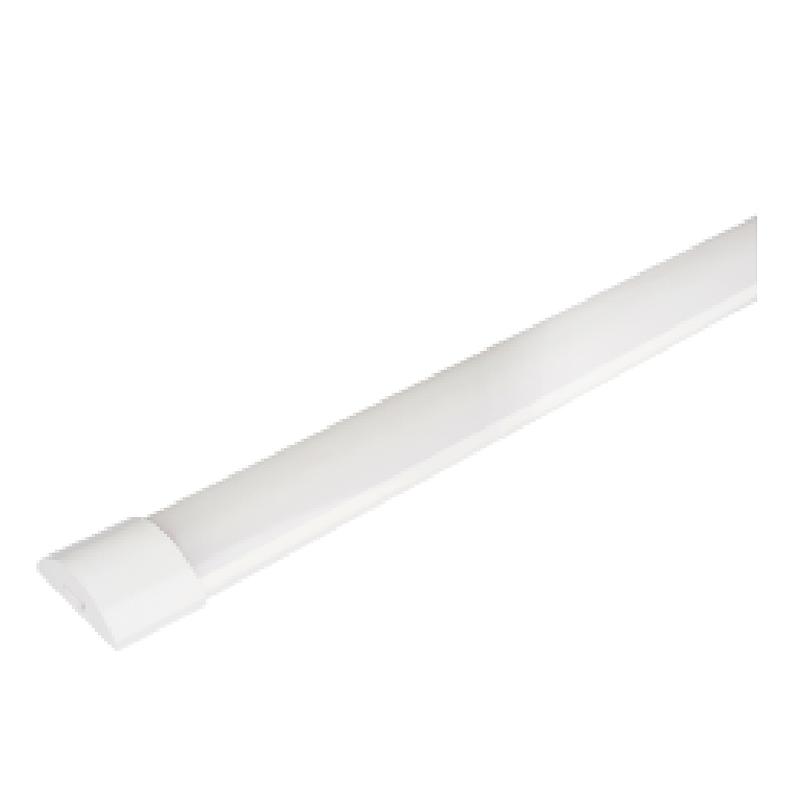
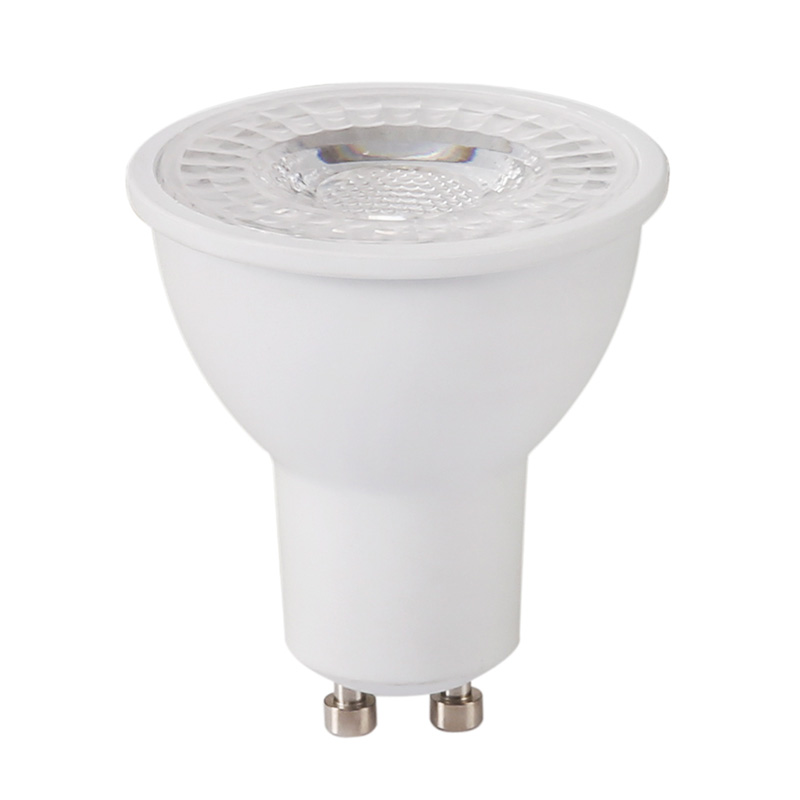
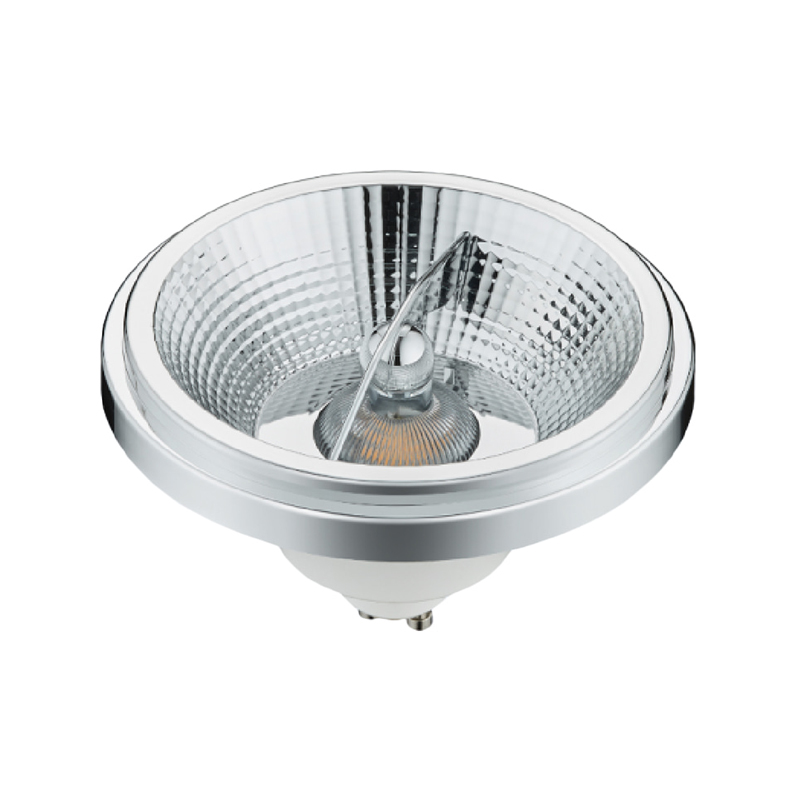
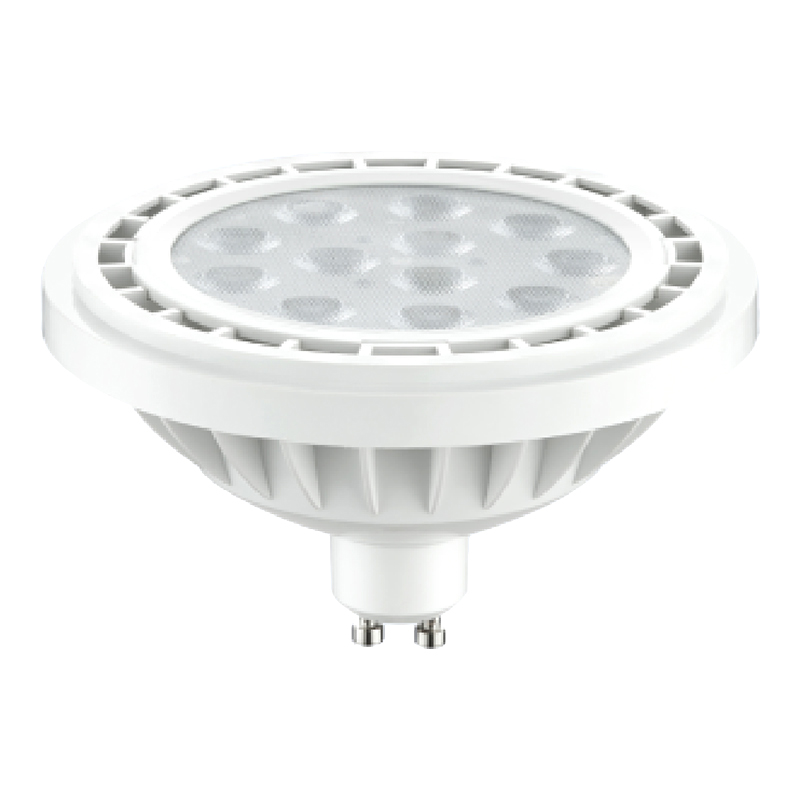
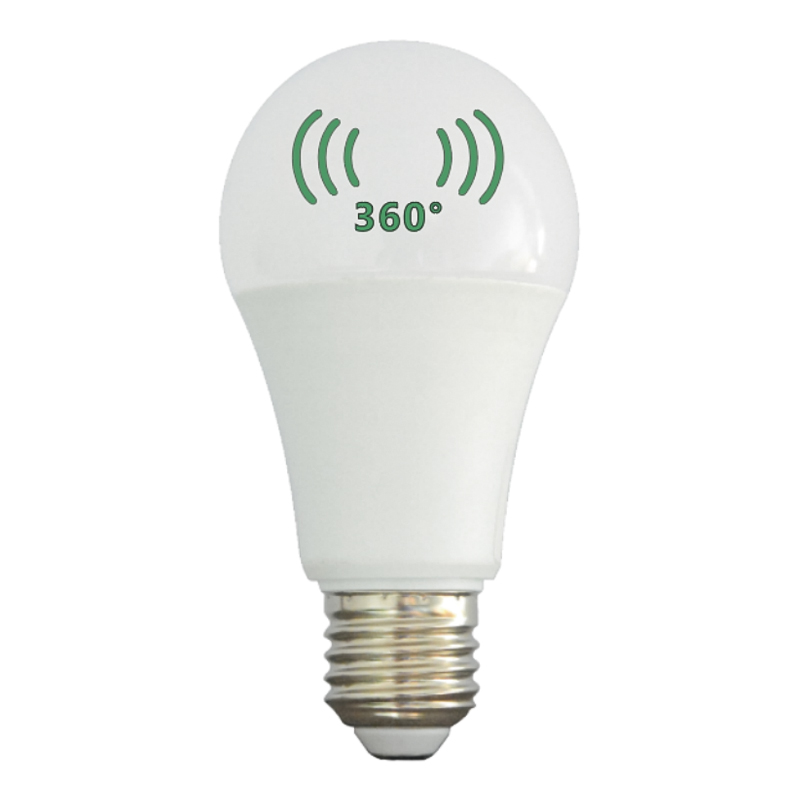
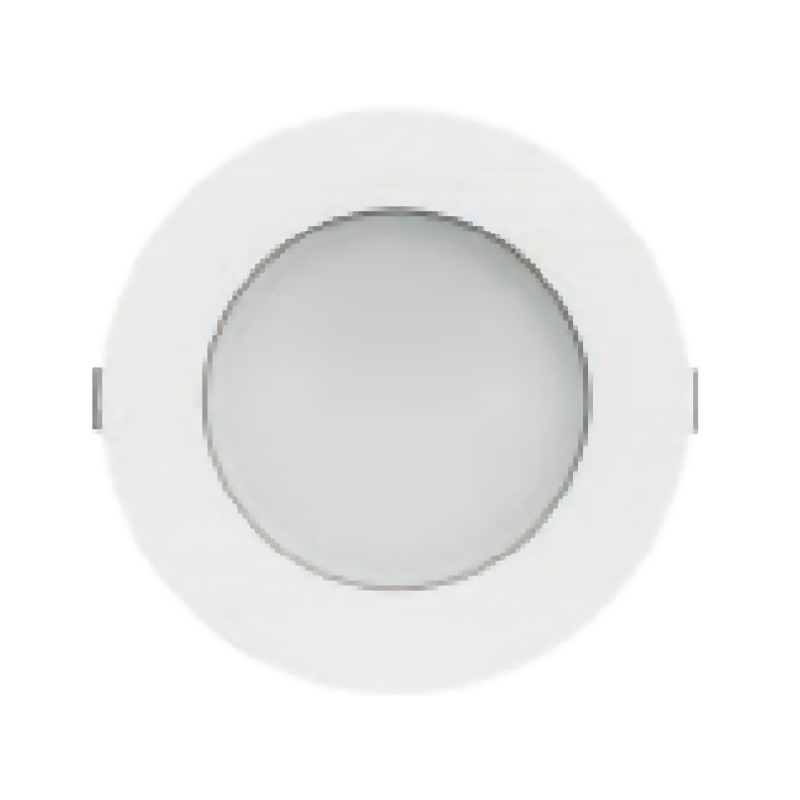
Introduction to LED Ceiling Lights LED ceiling lights have become a popular choice for modern homes,...
Content
- 1 How an LED Spotlight Produces and Controls Its Beam
- 2 LED Spotlight vs. Other LED Light Types: A Direct Comparison
- 3 The Main Types of LED Spotlight and Where Each One Is Used
- 4 Key Performance Specifications Explained
- 5 LED Spotlight vs. Halogen Spotlight: Why the Switch Matters
- 6 Common Mistakes When Choosing or Using LED Spotlights
An LED spotlight is a directional light fixture that concentrates its output into a narrow, focused beam — typically between 15° and 45° beam angle — to illuminate a specific object, surface, or area with high intensity. The core difference from other LED light types is directionality: where a standard LED bulb disperses light in all directions (270°–360°), a flood light spreads it broadly (90°–120°), and a tube light illuminates a wide linear zone, a spotlight sends virtually all of its light energy in one controlled direction. This makes LED spotlights the tool of choice for accent lighting, retail display, architectural highlighting, stage lighting, and outdoor feature illumination — anywhere precise light placement and visual impact matter more than broad area coverage.
How an LED Spotlight Produces and Controls Its Beam
Understanding how an LED spotlight works at a component level explains why it performs so differently from other light types — and why the quality of those components determines how well it actually performs in real applications.
The LED Light Source
At the heart of every LED spotlight is one or more light-emitting diodes (LEDs) — semiconductor chips that produce light when electrical current passes through them. Unlike incandescent bulbs that generate light by heating a filament, LEDs produce light through electroluminescence: a process that is far more efficient, generating significantly less heat per lumen of output. A quality LED spotlight converts 80–95% of input energy into light, compared to approximately 10–15% for an equivalent incandescent spotlight.
Modern LED spotlights use one of three LED configurations:
- Single high-power LED (COB — Chip on Board): Multiple LED chips mounted directly onto a single substrate, functioning as one large, high-intensity light source. COB LEDs produce a smooth, even beam with minimal hotspots — the preferred configuration for professional spotlights and track lighting.
- Multiple discrete SMD LEDs: Individual surface-mount LED chips arranged in a cluster or array. Common in consumer-grade spotlights — produces adequate brightness but can create multiple overlapping beam patterns rather than a single clean spot.
- CSP (Chip Scale Package) LEDs: The most advanced configuration — bare LED chips with no housing, enabling extremely compact spotlight designs with excellent beam quality. Used in premium architectural and retail lighting.
The Reflector and Optics System
The LED chip itself emits light in a roughly hemispherical pattern. The beam angle is determined by the reflector, lens, or optical system that surrounds it:
- Parabolic reflectors: A curved mirror surface behind the LED that redirects light forward in parallel rays, producing a tight, defined beam. The deeper and more precisely shaped the parabola, the narrower and more controlled the beam angle.
- Total internal reflection (TIR) lenses: Precision-engineered optical lenses that capture nearly all light emitted by the LED and redirect it into a precisely defined beam pattern. TIR lenses are more efficient than reflectors — capturing up to 95% of emitted light — and produce sharper beam edges with minimal spill light.
- Fresnel lenses: Flat, stepped lenses used in theatrical and stage spotlights to produce a soft-edged beam that blends smoothly at the edges — ideal for stage wash lighting where hard beam edges would be visible and distracting.
Thermal Management
LED efficiency and lifespan are both highly sensitive to operating temperature. Although LEDs generate far less heat than incandescent bulbs, the heat they do produce is concentrated at the chip junction — a small area where even moderate temperature rises cause rapid performance degradation. Quality LED spotlights incorporate:
- Aluminum heat sinks: Finned aluminum bodies that conduct heat away from the LED chip and dissipate it into the surrounding air. The size and surface area of the heat sink directly correlates with the spotlight's lifespan — undersized heat sinks in cheap spotlights are the primary cause of premature LED failure.
- Thermal interface materials (TIM): Thermally conductive compounds between the LED chip and heat sink that eliminate microscopic air gaps, maximizing heat transfer efficiency.
- A well-designed spotlight maintains LED junction temperature below 85°C (185°F) — at this temperature or below, a quality LED chip can achieve its rated lifespan of 25,000–50,000 hours.
LED Spotlight vs. Other LED Light Types: A Direct Comparison
The most important distinction between LED spotlight and other LED light types is beam angle — but that single difference cascades into fundamentally different applications, performance characteristics, and installation requirements.
| Light Type | Beam Angle | Light Distribution | Best Use Case | Typical Lumen Output |
|---|---|---|---|---|
| LED Spotlight | 15°–45° | Narrow, directional | Accent, display, feature highlighting | 300–2,000+ lm |
| LED Floodlight | 90°–120° | Wide, even area coverage | Security, car parks, large outdoor areas | 1,000–50,000+ lm |
| LED Bulb (A-shape) | 200°–360° | Omnidirectional | General room illumination | 400–1,600 lm |
| LED Tube (T8/T5) | 110°–160° | Linear, wide | Office, retail, commercial ceilings | 1,500–5,000 lm |
| LED Panel Light | 120° | Diffused, uniform | Office, healthcare, recessed ceiling | 2,000–6,000 lm |
| LED Strip Light | 120° (per LED) | Linear, low-level | Cove lighting, under-cabinet, decorative | 300–1,200 lm/m |
| LED Downlight | 40°–60° | Downward, moderate spread | Recessed ceiling general lighting | 400–1,000 lm |
A critical point often overlooked: because a spotlight concentrates all its lumens into a narrow beam, a 500-lumen spotlight appears significantly brighter on its target than a 500-lumen standard bulb — the same total light output is focused into a fraction of the area, producing dramatically higher illuminance (measured in lux) at the target point.
The Main Types of LED Spotlight and Where Each One Is Used
LED spotlights are not a single product category — they span a wide range of form factors, mounting systems, and performance levels, each optimized for specific environments and applications.
GU10 and MR16 Retrofit Spotlights
The most common residential spotlight format. GU10 LEDs use a twist-and-lock base operating at mains voltage (120V/230V), while MR16s use a two-pin base operating at low voltage (12V) via a transformer. Both are direct replacements for halogen spotlight bulbs of the same base type.
- Typical output: 300–600 lumens at 4–7W — equivalent to a 35–50W halogen
- Beam angles available: 24°, 36°, and 60° — choose narrower angles for accent lighting, wider for general task lighting
- Best for: Kitchen downlights, bathroom vanity lighting, retail display cases, gallery picture lighting
- Key consideration: When replacing MR16 halogens with LEDs, the existing transformer may need replacement — many older magnetic transformers are incompatible with LED loads and cause flickering or failure
Track Spotlights
Adjustable spotlight heads mounted on an electrified track rail system, allowing fixtures to be positioned and aimed anywhere along the track without additional wiring. The most flexible spotlight format for retail, gallery, and hospitality environments.
- Typical output: 500–2,000 lumens at 7–25W per head
- Track systems: 1-circuit, 2-circuit, and 3-circuit tracks allow different fixture groups to be independently switched and dimmed
- Best for: Art galleries, museums, retail clothing and jewelry displays, restaurant accent lighting, architectural feature walls
- Key consideration: Ensure track adapter compatibility — H-type, J-type, and L-type track systems are not interchangeable
Recessed Adjustable Spotlights (Eyeball Downlights)
Ceiling-recessed fixtures with an adjustable LED head that can be tilted and rotated to direct the beam off-axis — typically up to 30° tilt from vertical. They combine the clean, flush appearance of a downlight with the directional control of a spotlight.
- Best for: Residential feature wall highlighting, artwork over sofas or fireplaces, hospitality accent lighting where a clean ceiling appearance is required
- Key consideration: Insulation-rated (IC-rated) versions are required when installing in ceilings with insulation directly above — non-IC fixtures in insulated ceilings create a fire risk
Outdoor Ground and Spike Spotlights
Low-profile LED spotlights mounted on ground stakes or surface-mount bases, designed for garden and landscape lighting. They direct a focused upward beam onto trees, sculptures, architectural features, or building facades.
- IP rating requirement: Minimum IP65 for above-ground outdoor use; IP67 for installations in ground-level or water-prone locations
- Typical output: 200–800 lumens at 3–10W — adequate for uplighting shrubs and small trees; larger trees require 800–1,500 lumen fixtures
- Best for: Garden feature uplighting, building façade washing, flag pole illumination, driveway entrance markers
High-Power Commercial and Stage Spotlights
Professional-grade LED spotlights producing 5,000–50,000+ lumens, used in theatrical productions, concert venues, sports facilities, and large-scale architectural projects. These fixtures often incorporate motorized beam angle adjustment, full RGB color mixing, gobos (pattern projection), and DMX lighting control protocol compatibility.
- Moving head spotlights: Motorized fixtures that pan and tilt remotely via DMX control — the standard for concert touring and theatrical productions
- Ellipsoidal spotlights (Lekos): Fixed-position stage fixtures with adjustable shutters and gobo slots for precise beam shaping — used in theatrical productions for defined pool lighting and pattern projection
Key Performance Specifications Explained
Understanding spotlight specifications allows accurate product comparison and ensures the fixture delivers the performance required for the intended application.
Beam Angle and Its Effect on Illuminated Area
Beam angle directly determines how large an area the spotlight illuminates at a given mounting distance. The relationship is geometric — a narrower beam concentrates light more intensely on a smaller area, while a wider beam spreads the same lumens across a larger but dimmer pool.
| Beam Angle | Classification | Illuminated Diameter at 2m (6.6 ft) | Illuminated Diameter at 4m (13 ft) | Typical Application |
|---|---|---|---|---|
| 10°–15° | Very narrow spot | ~0.35–0.53 m | ~0.7–1.05 m | Jewelry display, sculpture detail, small art |
| 24°–30° | Narrow spot | ~0.85–1.07 m | ~1.7–2.1 m | Standard picture lighting, retail displays |
| 36°–45° | Medium spot | ~1.3–1.66 m | ~2.6–3.3 m | Feature walls, tree uplighting, task areas |
| 60° | Wide spot / narrow flood | ~2.3 m | ~4.6 m | General accent, large format artwork, kitchen worktops |
CRI — Color Rendering Index
CRI measures how accurately a light source renders colors compared to natural daylight, on a scale of 0–100. For spotlights used in any context where color accuracy matters — retail, galleries, restaurants, museums — CRI is a critical specification that is often more important than raw brightness.
- CRI 80–84: Acceptable for general residential and commercial use — colors appear reasonably natural but subtle hues may appear slightly muted
- CRI 90–94: High color rendering — suitable for retail clothing, food display, and interior design showrooms where color accuracy drives purchasing decisions
- CRI 95–98: Museum-grade color rendering — used in fine art galleries, jewelry display, and professional photography lighting where color fidelity is essential
- R9 value: A supplementary CRI metric specifically measuring red color rendering — important for food, skin tones, and warm-hued artwork. Specify R9 above 50 for retail food display and above 90 for gallery and museum use
Efficacy: Lumens per Watt
Efficacy measures energy efficiency — how many lumens of light output are produced per watt of electricity consumed. Higher efficacy means the same brightness for less energy cost:
- Budget LED spotlights: 60–80 lm/W — adequate but below the best available efficiency
- Mid-range quality: 80–100 lm/W — a reasonable benchmark for most residential and commercial spotlights
- Premium and professional grade: 100–140+ lm/W — significantly reduces energy costs in commercial installations with large numbers of fixtures
- By comparison, a halogen spotlight produces approximately 15–25 lm/W — making even a budget LED spotlight 3–4× more efficient
LED Spotlight vs. Halogen Spotlight: Why the Switch Matters
Most LED spotlights on the market today are designed as direct replacements for halogen spotlights — GU10, MR16, PAR16, PAR20, PAR30, and PAR38 formats. The performance differences are significant across every metric:
| Specification | 50W Halogen GU10 | 7W LED GU10 Equivalent | Advantage |
|---|---|---|---|
| Power consumption | 50W | 5–7W | LED saves 85–90% energy |
| Light output | ~600 lm | 500–600 lm | Comparable brightness |
| Rated lifespan | 2,000 hours | 25,000–50,000 hours | LED lasts 12–25× longer |
| Heat generated | Very high (~85% of energy as heat) | Low (5–15% as heat) | LED reduces fire risk and cooling load |
| UV emission | Significant — fades artwork and fabrics | Negligible | LED safe for museum and retail display use |
| Annual energy cost (8 hrs/day, $0.15/kWh) | ~$21.90 | ~$3.07 | LED saves ~$18.80 per bulb per year |
In a retail store with 50 spotlight fixtures running 12 hours per day, switching from 50W halogen to 7W LED equivalents saves approximately $1,700 per year in electricity costs alone — before accounting for the reduction in lamp replacement labor and material costs.
Common Mistakes When Choosing or Using LED Spotlights
- Choosing by wattage instead of lumens: Watts measure energy consumption, not brightness. Always compare lumens when selecting a spotlight — a 7W LED spotlight and a 50W halogen can produce similar lumen output, but comparing watts alone suggests they are dramatically different.
- Selecting too wide a beam angle for accent lighting: A 60° beam angle in a kitchen or living room functions more like a downlight than a spotlight — it illuminates a broad area without creating the focused accent effect that makes spotlight installations visually compelling. Use 24°–36° for true accent lighting.
- Ignoring CRI for display and retail applications: A high-lumen, low-CRI (CRI 70–75) spotlight makes merchandise look dull and unappealing. In retail, food display, and hospitality environments, CRI 90+ is not optional — it directly affects how products look and how customers respond.
- Using non-dimmable LED spotlights with dimmer switches: Standard non-dimmable LEDs connected to a dimmer switch will flicker, buzz, or fail prematurely. Always verify dimmer compatibility and purchase dimmable-rated spotlights for any dimmer-controlled circuit.
- Installing outdoor spotlights without verifying IP rating: An IP44-rated spotlight exposed to direct rain will fail within one to two seasons. Match IP rating to the actual installation environment — IP65 minimum for open outdoor use.
- Buying the cheapest option without checking thermal design: Budget spotlights with inadequate heat sinks run hot, degrade quickly, and may not achieve even 30% of their rated lifespan. Check for a substantial aluminum body — a GU10 LED that weighs significantly less than a quality alternative is almost certainly thermally compromised.
