
 English
 中文简体
中文简体 عربى
عربى Español
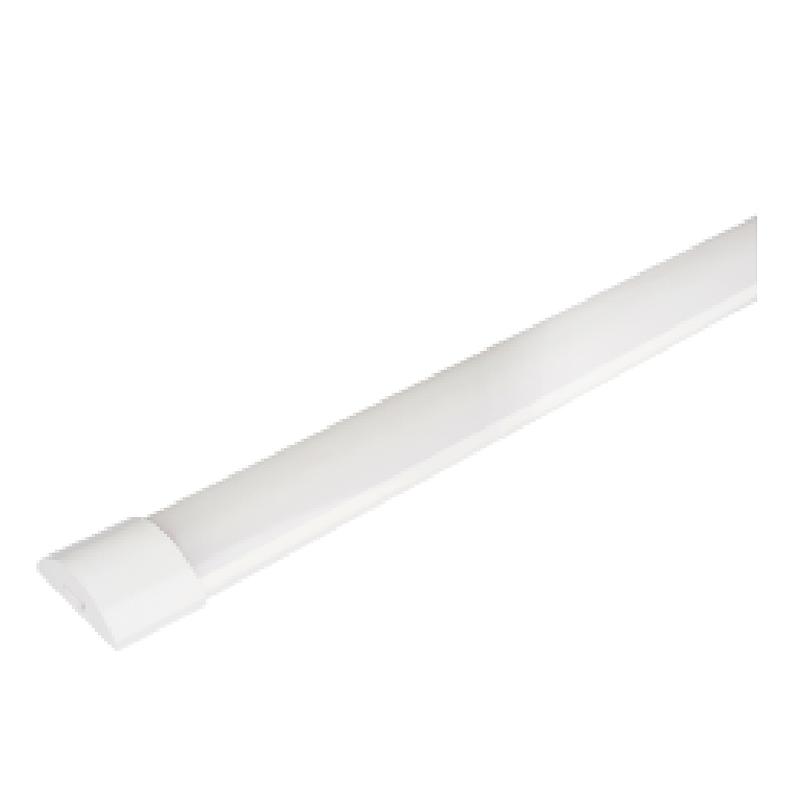
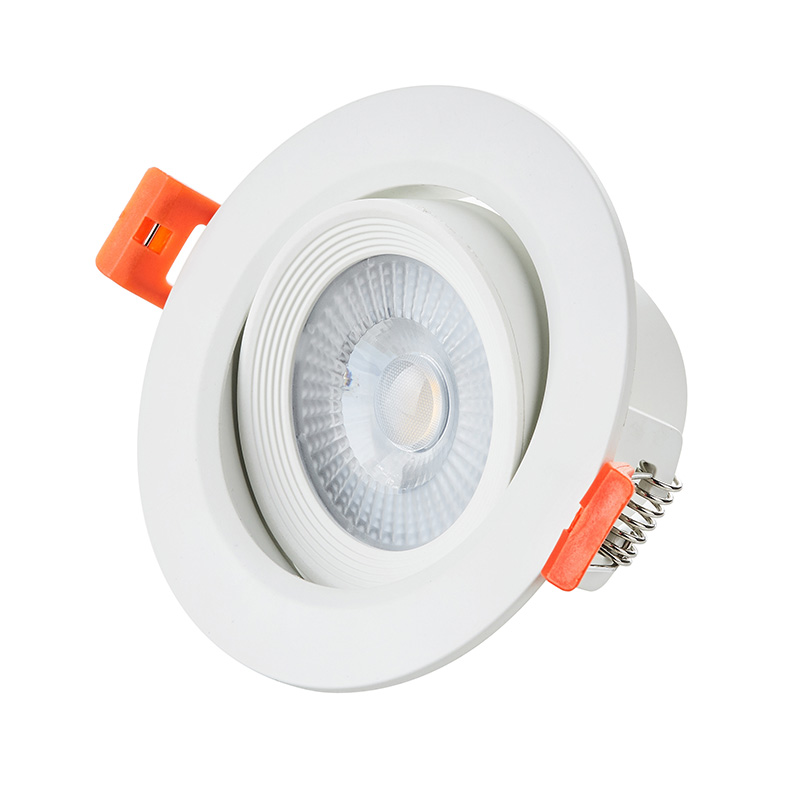
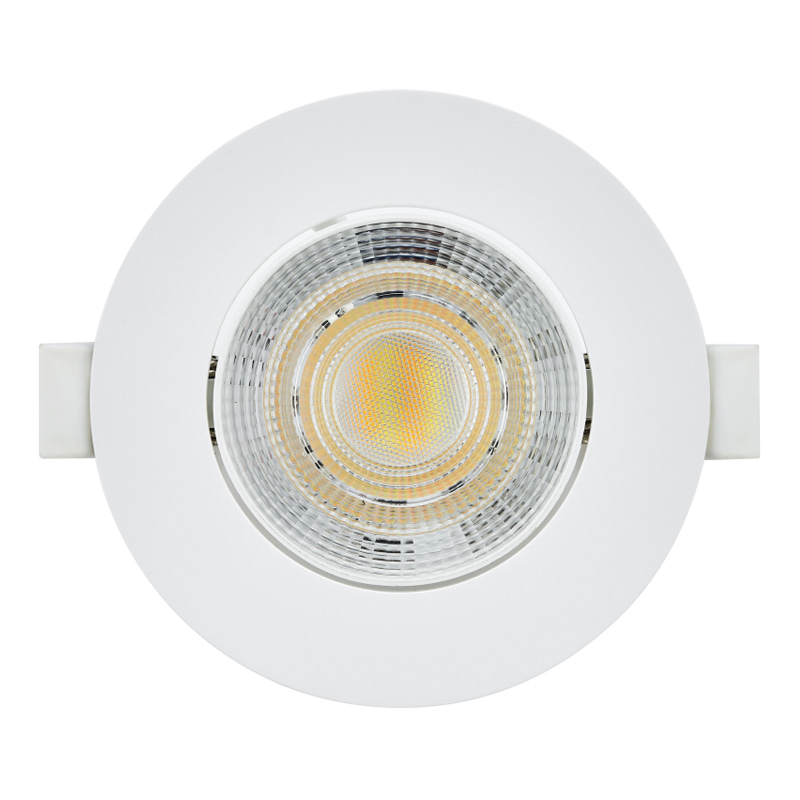
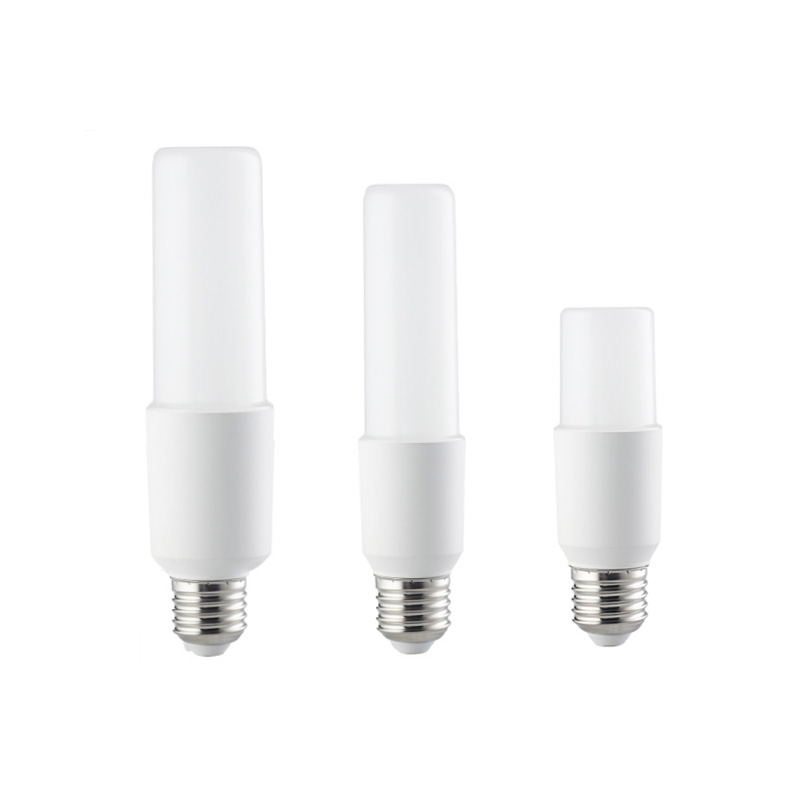
Introduction to LED Ceiling Lights LED ceiling lights have become a popular choice for modern homes,...
Content
- 1 What the Numbers on an LED Ceiling Light Label Actually Mean
- 2 Lumens: The Only Number That Measures Brightness
- 3 Color Temperature: How to Choose Between Warm and Cool Light
- 4 Wattage: What It Tells You and What It Doesn't
- 5 CRI: Why Color Accuracy Matters More Than You Think
- 6 Which Type of LED Ceiling Light Fixture Do You Need?
- 7 Quick Reference: Full Room-by-Room LED Ceiling Light Summary
- 8 5 Mistakes to Avoid When Buying LED Ceiling Lights
- 9 Frequently Asked Questions About LED Ceiling Lights
If you've ever stood in the lighting aisle staring at rows of LED ceiling lights with numbers like "800 lumens," "2700K," and "9W" printed on the box — and had no idea what any of it meant — you're not alone. Here's the short answer: lumens = brightness, color temperature = warm vs. cool light, and wattage = energy use. Get those three right and you'll never pick the wrong ceiling light again. This guide walks you through each one with clear numbers and room-by-room recommendations.
What the Numbers on an LED Ceiling Light Label Actually Mean
Every LED ceiling light box shows a cluster of specs that can look intimidating. Here's a quick breakdown before we dive deeper:
- Lumens (lm) — total light output; the higher, the brighter
- Wattage (W) — electricity consumed; tells you running cost, not brightness
- Color Temperature (K) — how warm or cool the light looks
- CRI — how accurately the light shows real colors (scale of 0–100)
- Lifespan (hours) — how long the fixture will last before needing replacement
The single most important spec is lumens. Everything else fine-tunes your experience — but without the right brightness, the rest doesn't matter.
Lumens: The Only Number That Measures Brightness
Always shop by lumens, not watts. Wattage measures how much electricity a bulb consumes — it says nothing about how much light it produces. A modern 9-watt LED delivers the same brightness as a 60-watt incandescent bulb. If you compare two ceiling lights by wattage alone, you'll likely buy the wrong one.
How to Calculate the Lumens You Need
Lighting professionals use a simple formula: multiply your room's square footage by the recommended lumens per square foot for that room type. For example, a 12ft × 15ft living room (180 sq ft) at 15 lumens/sq ft needs 2,700 lumens total.
- Measure the room: length × width = square footage
- Find your room's recommended lumens per sq ft in the table below
- Multiply: square footage × lumens/sq ft = total lumens needed
- If using multiple fixtures, divide the total among them evenly
| Room | Lumens / sq ft | Example: 150 sq ft Room |
|---|---|---|
| Bedroom | 10–20 | 1,500–3,000 lm |
| Living Room | 10–20 | 1,500–3,000 lm |
| Dining Room | 30–40 | 4,500–6,000 lm |
| Kitchen (general) | 30–40 | 4,500–6,000 lm |
| Kitchen (countertop task) | 70–80 | Use dedicated task lighting |
| Bathroom | 70–80 | 10,500–12,000 lm |
| Home Office | 50–70 | 7,500–10,500 lm |
| Hallway | 10–15 | 1,500–2,250 lm |
| Garage / Workshop | 50–80 | 7,500–12,000 lm |
Factors That Change How Much Light You Actually Need
The formula gives you a baseline. Adjust upward if any of these apply to your space:
- Dark walls or furniture — absorb light; add 10–20% more lumens
- Ceilings above 10ft — light loses intensity over distance; go higher on lumens
- Light-colored walls — reflect light effectively; you may need slightly fewer lumens
- Older eyes — vision typically requires 50–100% more light for the same level of clarity
One practical tip: choose dimmable LED ceiling lights whenever possible. They let you dial brightness up or down for different tasks and times of day, and they extend the fixture's lifespan by reducing stress on the LEDs.
Color Temperature: How to Choose Between Warm and Cool Light
Color temperature determines the mood of a room more than any other single spec. It's measured in Kelvin (K). The lower the number, the warmer and more amber the light. The higher the number, the cooler and more blue-white it appears. Critically, color temperature has no effect on brightness — a 2700K and a 5000K bulb with identical lumens will be equally bright, but feel entirely different.
The Kelvin Scale at a Glance
| Kelvin Range | Common Name | Light Appearance | Best For |
|---|---|---|---|
| 2700K | Soft White | Warm amber glow, like incandescent | Bedroom, living room, dining room |
| 3000K | Warm White | Slightly crisper, still warm | Modern kitchens, bathrooms, hallways |
| 3500K | Neutral White | Balanced, clean, no warm/cool bias | Transitional spaces, hallways |
| 4000K | Cool White | Crisp, alert, subtle blue tint | Home office, kitchen task lighting, bathroom vanity |
| 5000K–6500K | Daylight | Very bright, blue-white, like noon sun | Garage, workshop, utility rooms |
Room-by-Room Color Temperature Recommendations
Bedroom: 2700K–3000K. Warm light minimizes blue wavelengths that interfere with melatonin production, making it easier to fall asleep. Avoid anything above 3000K — even a 3500K ceiling light can subtly disrupt your wind-down routine.
Living Room: 2700K–3000K. Living rooms are multipurpose — TV, reading, socializing, relaxing. A warm tone creates a welcoming atmosphere. Pair a dimmable 2700K ceiling light with floor or table lamps for layered flexibility.
Kitchen: 3000K–4000K. Kitchens need more clarity than bedrooms. Use 3000K for open-plan kitchens that flow into living spaces, and 4000K over countertops or kitchen islands where food prep demands sharper visibility.
Dining Room: 2700K–3000K. Warm light makes food look more appetizing, flatters skin tones, and creates an intimate atmosphere. If you want a restaurant-quality dining experience at home, 2700K is the standard used in most upscale restaurants.
Bathroom: 3000K–4000K. For accurate grooming — applying makeup, shaving, checking skin — you need light that renders color faithfully without being harsh. This range hits the right balance of warmth and clarity.
Home Office: 4000K. Cool, neutral light promotes alertness and reduces eye strain during long computer sessions. 4000K is the standard used in most commercial offices precisely because it keeps people focused without causing headaches over time.
Hallway: 3000K–3500K. Hallways bridge rooms with different color temperatures. A neutral tone in this range transitions comfortably between a warm living room and a cooler bathroom without any jarring shifts.
Garage / Workshop: 4000K–5000K. When you need to read labels, identify wire colors, or work on detailed projects, cooler and brighter light dramatically improves visibility and reduces mistakes.
Never Mix Color Temperatures in the Same Room
Placing a 2700K floor lamp next to 4000K ceiling lights creates a color clash your eyes will immediately notice — the space will feel "off" even if the brightness is correct. Always match color temperatures within a single room. If you want flexibility across moods and times of day, choose a CCT-tunable fixture, which lets you switch between warm and cool from one fixture via a remote or app.
Wattage: What It Tells You and What It Doesn't
Wattage measures electricity consumption, not brightness. This is the most common and costly mistake buyers make. The confusion comes from the incandescent era — back then, wattage roughly correlated with brightness because all bulbs were similarly inefficient. With LEDs, that relationship is broken. A 10-watt LED can outshine a 60-watt incandescent bulb.
LED vs. Incandescent: Equivalent Wattage Comparison
| Brightness (Lumens) | Old Incandescent | Modern LED Equivalent | Energy Saving |
|---|---|---|---|
| ~450 lm | 40W | 5–6W | ~85% |
| ~800 lm | 60W | 8–10W | ~83% |
| ~1,100 lm | 75W | 12–13W | ~83% |
| ~1,600 lm | 100W | 16–20W | ~80% |
| ~2,600 lm | 150W | 25–30W | ~80% |
Typical Wattage Ranges for Residential LED Ceiling Lights
Once you've calculated your lumen target, use wattage only to estimate running costs. Here are common ceiling fixture wattages by room size:
- Small bedroom or hallway: 10–15W (800–1,200 lm)
- Medium bedroom or living room: 18–24W (1,500–2,500 lm)
- Large living room or open-plan space: 30–40W (3,000–4,000 lm)
- Kitchen or bathroom: 24–36W (2,500–4,000 lm)
Use wattage to calculate your electricity bill — not to judge brightness. Always lead with lumens.
CRI: Why Color Accuracy Matters More Than You Think
CRI (Color Rendering Index) measures how accurately a light source reproduces the true colors of objects compared to natural sunlight, on a scale of 0–100. For most home use, aim for CRI 80 or above. For kitchens, bathrooms, and closets, CRI 90+ makes a visible difference.
- CRI 80–89: Good for general living spaces — colors look natural without distortion
- CRI 90–94: Excellent — reds, greens, and skin tones appear vivid and true-to-life; recommended for kitchens and bathrooms
- CRI 95+: Professional grade — used in art studios, photography setups, and makeup vanities where color accuracy is critical
A practical example: under a CRI 80 bathroom light, a navy blue shirt and a black shirt can look nearly identical. Under CRI 90+, the difference is immediately obvious. If you've ever arrived somewhere wearing mismatched clothes that looked fine at home, low CRI lighting may have been the culprit.
Which Type of LED Ceiling Light Fixture Do You Need?
Specs alone don't determine the right purchase — fixture type matters too. The five main types serve different ceiling heights, room styles, and lighting needs:
Flush Mount LED Ceiling Lights
Sit flat against the ceiling with no gap. Ideal for standard 8–9ft ceilings where hanging fixtures would feel too low. Clean, minimalist look. Best for bedrooms, hallways, laundry rooms, and utility spaces.
Semi-Flush Mount LED Ceiling Lights
Drop 4–8 inches below the ceiling. This gap allows light to spread sideways and upward, improving overall room coverage. Better light distribution makes them a strong choice for living rooms and dining areas with 9–10ft ceilings.
Recessed LED Ceiling Lights (Downlights)
Installed inside the ceiling cavity for the cleanest, most architectural look. Almost always used in multiples — a single recessed light produces a spotlight effect, not room illumination. A typical 150 sq ft kitchen may require 6–10 recessed lights spaced evenly to achieve uniform coverage.
LED Ceiling Panel Lights
Flat square or rectangular panels that emit highly uniform, shadow-free light across their entire surface. Popular in home offices and modern kitchens. A single 40W panel can replace multiple recessed fixtures in some rooms, simplifying installation while maintaining consistent brightness.
LED Ceiling Fan with Light
Combines an LED light kit with a ceiling fan. Practical for larger bedrooms or living rooms in warmer climates where both air circulation and overhead lighting are priorities. Look for models with separately dimmable light and variable fan speed controls.
Quick Reference: Full Room-by-Room LED Ceiling Light Summary
| Room | Lumens / sq ft | Color Temp | CRI | Fixture Type |
|---|---|---|---|---|
| Bedroom | 10–20 | 2700K–3000K | 80+ | Flush / Semi-flush |
| Living Room | 10–20 | 2700K–3000K | 80+ | Semi-flush / Recessed |
| Kitchen | 30–40 | 3000K–4000K | 90+ | Recessed / Panel |
| Dining Room | 30–40 | 2700K–3000K | 90+ | Semi-flush / Pendant |
| Bathroom | 70–80 | 3000K–4000K | 90+ | Flush / Recessed |
| Home Office | 50–70 | 4000K | 80+ | Panel / Recessed |
| Hallway | 10–15 | 3000K–3500K | 80+ | Flush Mount |
| Garage / Workshop | 50–80 | 4000K–5000K | 80+ | Flush / Panel |
5 Mistakes to Avoid When Buying LED Ceiling Lights
Even buyers who understand lumens and color temperature often trip up on these avoidable errors:
Buying by Watts Instead of Lumens
Wattage tells you the electricity bill, not the brightness. A 10W LED and a 25W LED could produce similar lumens depending on the fixture's efficiency. Always check the lumen spec on the box before anything else.
Picking the Wrong Color Temperature for the Room
Installing a 5000K "daylight" bulb in a bedroom will suppress melatonin and make it noticeably harder to fall asleep. Installing 2700K in a home office can make you feel drowsy mid-afternoon. Match the Kelvin to the room's purpose.
Underestimating How Many Lumens a Room Needs
One 800-lumen flush mount ceiling light is not enough for a 200 sq ft kitchen. Do the math: 200 sq ft × 30 lumens/sq ft = 6,000 lumens minimum. That might require four or five recessed lights, not one central fixture.
Mixing Color Temperatures Within One Room
A 2700K ceiling light combined with a 4000K desk lamp creates an uncomfortable color clash. The room will feel visually unsettled even if you can't immediately identify why. Keep all light sources within 200–300K of each other in the same space.
Skipping Dimmable Fixtures
Non-dimmable LED ceiling lights lock you into one brightness level regardless of the time of day or activity. Dimmable fixtures cost $5–$15 more on average but give you full control over ambience, reduce energy use during low-demand hours, and extend the LED's rated lifespan by reducing thermal stress.
Frequently Asked Questions About LED Ceiling Lights
Can I use an LED ceiling light on an existing dimmer switch?
Only if the fixture is labeled "dimmable." Connecting a non-dimmable LED to a dimmer causes flickering, buzzing, or premature failure. Also note that older leading-edge dimmers (common in homes built before 2000) may need to be replaced with trailing-edge LED-compatible dimmers for smooth performance.
Is the difference between 2700K and 3000K noticeable?
Side by side, yes — 2700K has a noticeably warmer, more amber quality, while 3000K is slightly crisper and closer to neutral. In a room on its own, most people find both comfortable. Choose 2700K for a classic, cozy feel or 3000K for modern interiors with gray tones, white walls, or cool-finish furniture.
How long do LED ceiling lights actually last?
Quality LED ceiling lights are rated for 25,000–50,000 hours. At an average of 3 hours of daily use, that's 22–45 years before the light reaches 70% of its original output (the standard for "end of rated life"). Cheap fixtures often fall short of their stated lifespan, so check for ENERGY STAR certification as an indicator of quality.
Do LED ceiling lights really save money on electricity?
Yes, significantly. LEDs consume 75–85% less electricity than incandescent bulbs for the same brightness. A household that replaces 20 incandescent fixtures with LED equivalents can save $150–$300 per year in electricity costs, depending on local rates and usage hours. The payback period on the purchase price is typically less than one year.
What does "CCT tunable" or "color selectable" mean?
CCT-tunable (Correlated Color Temperature tunable) fixtures let you switch between multiple color temperatures — commonly 2700K, 3000K, 4000K, and 5000K — from a single fixture. The switch is usually a small toggle on the fixture itself, a wall control, or an app on your phone. These are ideal for rooms that serve multiple purposes or for buyers who aren't yet sure which color temperature they prefer.
