
 English
 中文简体
中文简体 عربى
عربى Español
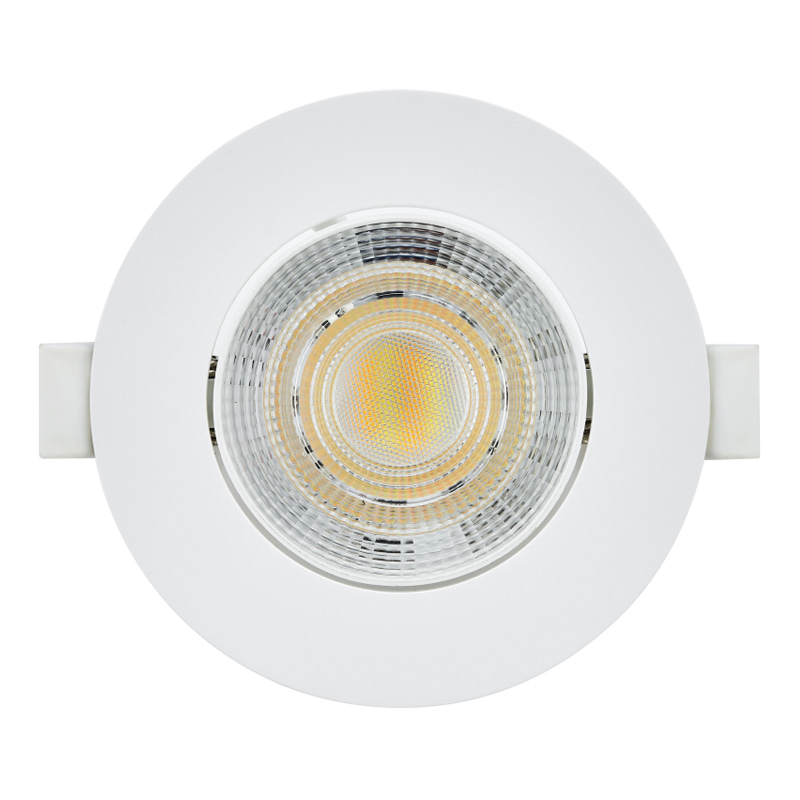
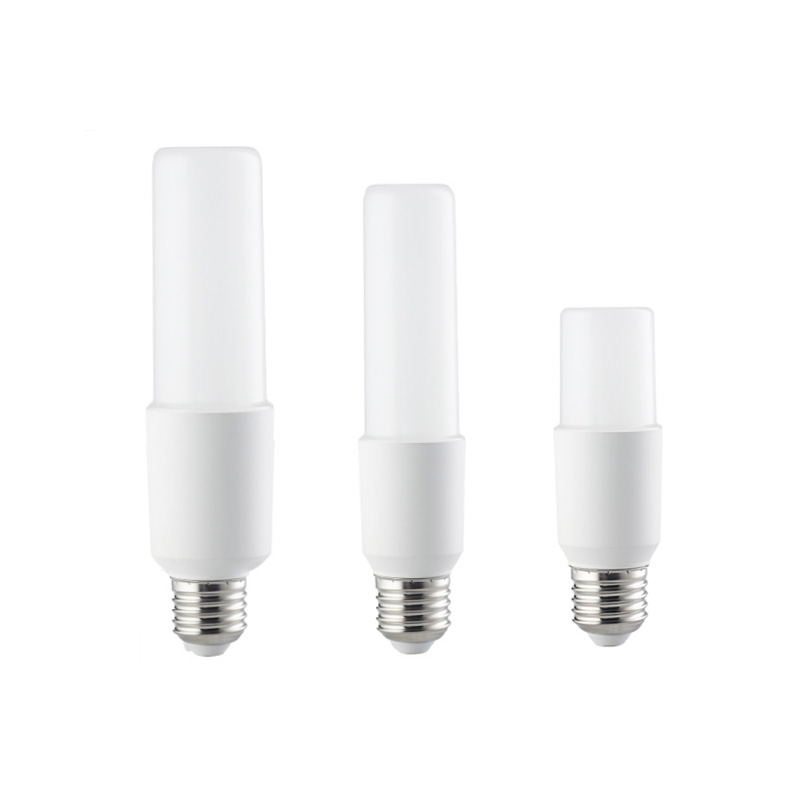
Introduction to LED Ceiling Lights LED ceiling lights have become a popular choice for modern homes,...
Content
Is an LED Ceiling Light More Cost-Effective Than Traditional Lighting?
The transition from conventional lighting to LED (Light Emitting Diode) technology is often characterized as the most significant advancement in illumination since the invention of the electric bulb. To determine if an LED ceiling light is truly more cost-effective, one must look past the initial “sticker shock”—the fact that an LED fixture might cost significantly more upfront than a box of incandescent bulbs. The true measure of cost-effectiveness is the Total Cost of Ownership (TCO), which aggregates the initial purchase price, the cumulative energy consumption over thousands of hours, and the frequency of replacement labor.
The Physics of Efficiency: Light vs. Heat
Traditional incandescent bulbs are essentially heaters that produce light as an accidental byproduct. Approximately $90%$ of the energy consumed by an incandescent filament is wasted as infrared heat. In contrast, an LED ceiling light is a solid-state semiconductor device that converts electricity directly into photons.
This efficiency gap is staggering: a standard $60\text{W}$ incandescent bulb can be replaced by an LED consuming only $8\text{W}$ to $9\text{W}$ while producing the same $800$ lumens of brightness. In a home with 20 ceiling lights operating for an average of 5 hours per day, the shift to LED can reduce lighting-related energy consumption by over $85%$. At average utility rates, this transition often results in a full “payback” on the initial investment within 6 to 12 months, after which the energy savings contribute directly to household profit.
The Hidden Costs of Conventional Lighting
Beyond direct energy bills, traditional lighting carries “hidden” costs. For instance, the high heat output of halogen or incandescent ceiling lights can increase the ambient temperature of a room, forcing air conditioning systems to work harder during summer months. Furthermore, older technologies like Compact Fluorescent Lamps (CFLs) contain toxic mercury vapor. If a CFL breaks, the cost and health risks associated with specialized hazardous waste cleanup are significant. An LED ceiling light is non-toxic, impact-resistant, and generates negligible heat, making it a safer and more stable long-term financial asset for any property owner.
Technical Comparison: Evaluating Lumens, Wattage, and Lifespan
To scientifically evaluate cost-effectiveness, we must move away from “Wattage” as a measure of brightness and focus on “Lumens” (the total amount of visible light emitted). In the past, consumers bought $100\text{W}$ bulbs to get a certain brightness; today, we look for $1,600$ lumens. The technical superiority of the LED ceiling light is found in its Luminous Efficacy—the ability to provide more light for less power.
Longevity and Maintenance Cycles
One of the most profound economic advantages of LED technology is its lifespan. A typical incandescent bulb lasts approximately $1,000$ hours, and a CFL lasts about $8,000$ hours. A high-quality LED ceiling light is rated for $25,000$ to $50,000$ hours. In a practical home setting, this means that while you might have to climb a ladder to replace an incandescent bulb every year, a dedicated LED fixture could remain functional for over 20 years.
This longevity eliminates the “Maintenance Tax”—the recurring cost of purchasing new bulbs and the time spent installing them. For commercial properties or homes with high ceilings, the labor cost saved by reducing the frequency of bulb changes is often greater than the energy savings themselves.
Lighting Technology Performance Comparison
| Performance Metric | Incandescent | Halogen | CFL (Fluorescent) | LED Ceiling Light |
|---|---|---|---|---|
| Wattage for 800 Lumens | $60\text{W}$ | $45\text{W}$ | $13\text{–}15\text{W}$ | $8\text{–}10\text{W}$ |
| Luminous Efficacy | $13\text{ lm/W}$ | $18\text{ lm/W}$ | $55\text{ lm/W}$ | $90\text{–}120\text{ lm/W}$ |
| Rated Lifespan (Hrs) | $1,000$ | $2,000$ | $8,000$ | $50,000$ |
| Heat Emission | Extremely High | Very High | Moderate | Negligible |
| Color Rendering (CRI) | $100$ | $100$ | $80$ | $90+$ (High Quality) |
| Instant On/Off | Yes | Yes | No (Warm-up time) | Yes |
| Mercury Content | No | No | Yes | No |
Environmental and Quality Considerations for the Modern Home
The value of an LED ceiling light extends beyond mere dollar savings; it significantly improves the Quality of Life (QoL) and the environmental footprint of a household. Modern LEDs provide lighting quality that traditional bulbs simply cannot match, particularly regarding color accuracy and dimming capabilities.
Superior Color Rendering and Aesthetic Value
The Color Rendering Index (CRI) measures how accurately a light source reveals the true colors of objects. Early LEDs were criticized for a “blue” or “cold” tint, but modern high-CRI LED ceiling lights ($90+$ CRI) make interior paint, furniture, and food look vibrant and natural. From an interior design perspective, poor lighting can make an expensive renovation look “muddy” or “grey.” Investing in a high-quality LED fixture ensures that the visual value of your home is maximized, which is an intangible but vital part of cost-effectiveness.
Sustainability and Carbon Footprint
From an environmental standpoint, the LED ceiling light is the undisputed winner. Because they last so much longer, the volume of waste sent to landfills is reduced by a factor of 25 to 50 compared to incandescent bulbs. Furthermore, because they consume so much less electricity, they significantly reduce the carbon emissions associated with power generation. For a household committed to “Net Zero” or reducing its ecological impact, upgrading to LED is the most accessible and high-impact change possible.
Smart Integration and Dimming
Traditional dimming of incandescent bulbs often resulted in a “warm glow” but consumed a disproportionate amount of energy even when dimmed. Modern integrated LED ceiling lights utilize sophisticated Drivers that allow for flicker-free dimming and, in many cases, “Tunable White” technology. This allows a user to switch from 5000K (Daylight) for cleaning or working to 2700K (Warm White) for evening relaxation. The versatility of a single LED fixture replacing the need for multiple different light sources is a hidden economic benefit that traditional lighting cannot offer.
FAQ: LED Ceiling Light Investment and Performance
Do I need to replace my whole fixture or just the bulb?
While you can buy LED “replacement bulbs,” integrated LED ceiling lights are more cost-effective in the long run. Integrated fixtures are designed with superior heat sinks that pull heat away from the LED chips, allowing them to last much longer than an LED bulb enclosed in an old, poorly ventilated fixture.
Why do some LED lights flicker when dimmed?
Flickering usually occurs when an LED ceiling light is used with an old-fashioned “Leading Edge” dimmer designed for incandescent bulbs. To fix this, you should ensure your dimmer switch is an “LED-compatible” (Trailing Edge) version. High-quality LED fixtures often include drivers that filter out voltage fluctuations to prevent this issue.
What is the best color temperature for a living room?
For most living rooms, a “Warm White” ($2700\text{K}$ to $3000\text{K}$) is preferred as it creates a cozy, inviting atmosphere. However, for kitchens or home offices, many prefer “Neutral White” ($4000\text{K}$) or “Daylight” ($5000\text{K}$) to improve focus and visibility.
Are LED ceiling lights safe for eyes?
Yes. High-quality LEDs are designed to be flicker-free and have no UV emissions. However, you should look for fixtures that have a “frosted” or “opal” diffuser to prevent direct glare, which can cause eye strain.
Can I use LED ceiling lights in a humid bathroom?
Yes, but you must check the IP Rating. Look for a rating of at least IP44, which means the fixture is sealed against moisture and splashes. Using a standard indoor LED in a shower area will lead to internal corrosion and early failure.
