
 English
 中文简体
中文简体 عربى
عربى Español
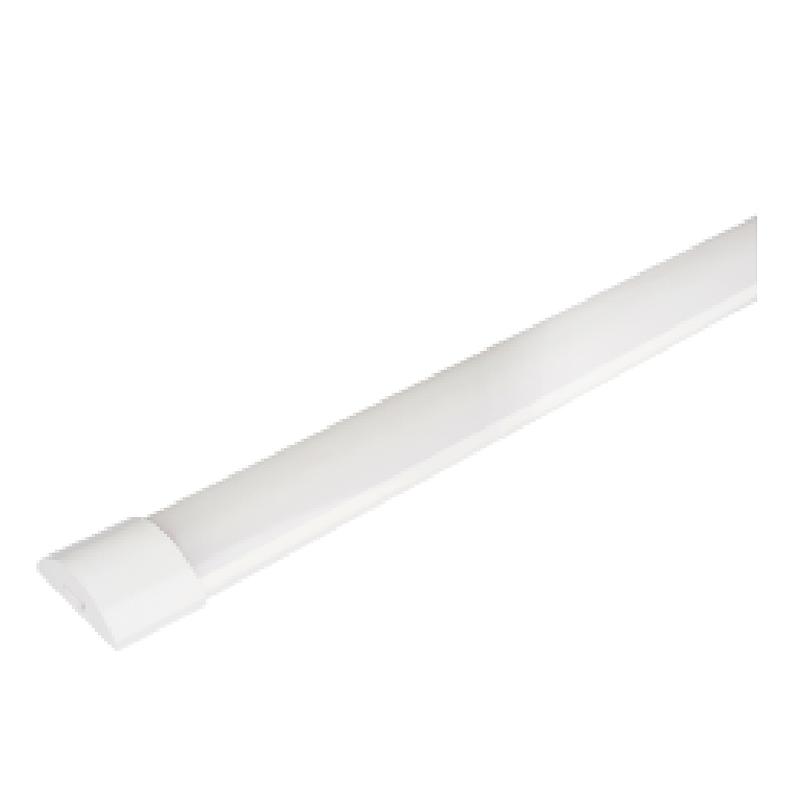
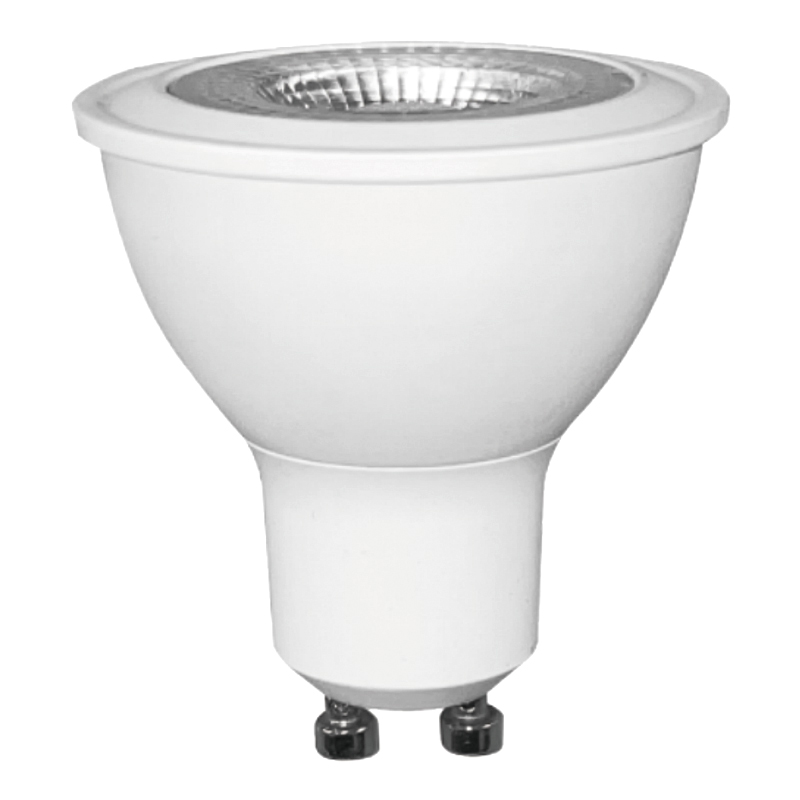
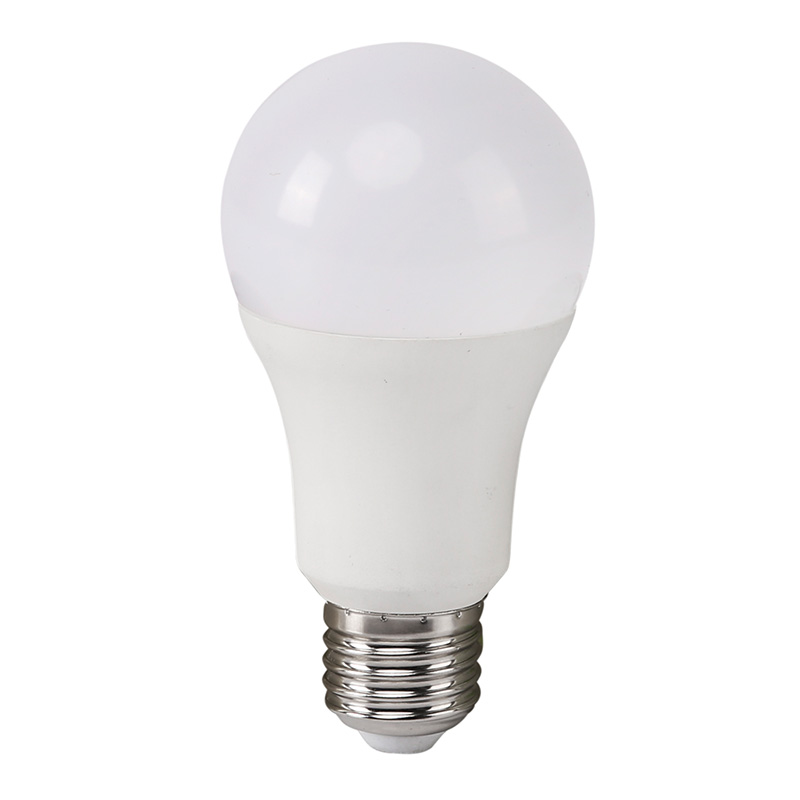
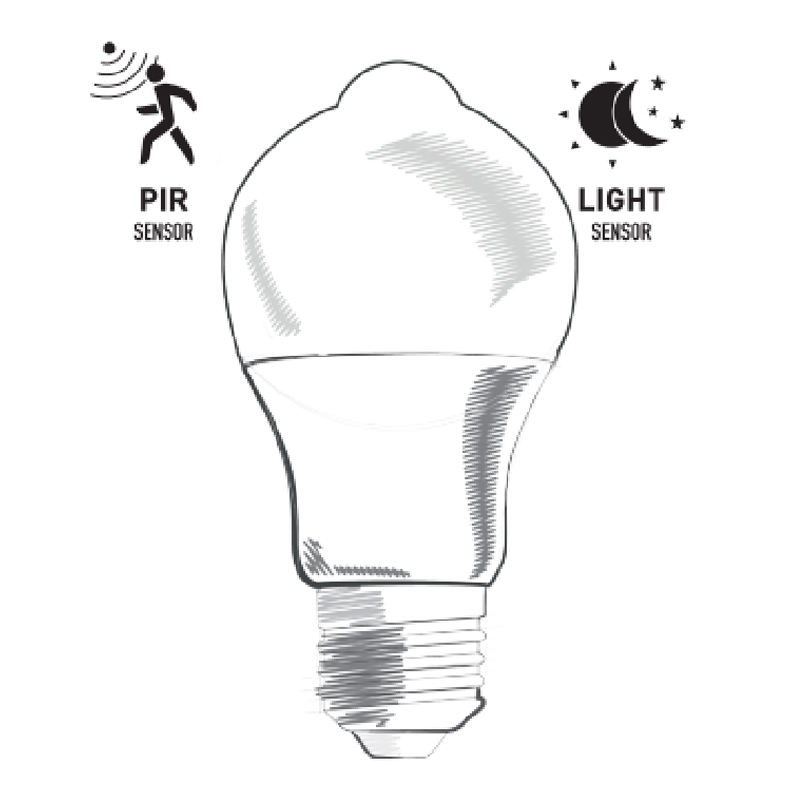
Introduction to LED Ceiling Lights LED ceiling lights have become a popular choice for modern homes,...
Content
The Science of Color Temperature and Skin Reflection
Color temperature is a fundamental concept in lighting design, describing the spectral characteristics of light emitted by a source. This measurement, quantified in Kelvins (K), traces its origin to “black-body radiation”—the idea that as an object is heated, it glows, shifting from deep red to yellow, white, and finally blue. In the context of LED Wall Lights, color temperature defines the psychological and physiological impact of the light. Lower Kelvin numbers, such as 2700K, characterize “warm” light, which has a high concentration of red and orange wavelengths and minimal blue light. Conversely, higher Kelvin numbers, like 5000K or 6500K, are “cool” lights dominated by blue and violet wavelengths.
The interaction between these spectral distributions and human skin is a complex biological process. Skin is not a uniform surface; it is a layered, translucent structure that absorbs, scatters, and reflects light based on its unique composition of pigments—primarily melanin (which dictates overall darkness) and hemoglobin (which provides the underlying red/pink flush of blood flow). The way these pigments respond to different wavelengths of light is what determines how a person’s complexion appears under a specific LED fixture. Understanding this interaction is key to selecting lighting that enhances, rather than detracts from, one’s natural appearance.
Warm Light (2700K - 3000K): The “Golden Hour” Effect
Warm LED wall lights are the traditional industry standard for residential spaces, designed to mimic the familiar, comforting glow of incandescent bulbs or a setting sun. This spectral range is rich in red wavelengths, which are critical for illuminating the red and pink pigments found in human skin. When these wavelengths hit the face, they enhance the natural “flush,” creating a “lit-from-within” appearance that is universally flattering. This lighting softens imperfections, minimizes the appearance of blemishes, and can even help to hide the bluish circles that often appear under the eyes when fatigued. For individuals with cool (pink or bluish) undertones, warm light acts as a vital balancing agent, making the complexion appear more vibrant, healthy, and “awake.” It provides a psychological sense of coziness and relaxation, making it the ideal choice for bedrooms, dining areas, and lounge spaces where the goal is to unwind.
Neutral Light (3500K - 4000K): The “Natural Daylight” Standard
Often referred to in marketing as “Cool White” or “Neutral White,” this Kelvin range provides a balanced, crisp spectrum. It is specifically designed to emulate the clear, unfiltered light of mid-morning sunlight, offering high clarity and high-acuity visibility without the heavy amber or yellow tint of warmer bulbs. For those with warm (yellow, golden, or olive) undertones, neutral light is often the superior choice. This cleaner, whiter light prevents the skin from looking overly yellow, sallow, or “muddy,” which can sometimes occur under standard 2700K lighting. It allows golden skin tones to look bright, clear, and energized. Neutral light is considered the most “honest” light for grooming, making it the technical standard for bathrooms, dressing rooms, and professional makeup studios where an accurate representation of how you will look outdoors is required.
Skin Undertones and Kelvin Matching
To find the absolute best LED wall light for your specific needs, you must move beyond general recommendations and match the light’s Kelvin rating to your skin’s unique undertone. While your surface skin tone (fair, medium, deep) is obvious, your undertone (cool, warm, or neutral) is a more subtle quality that remains constant. Using the wrong color temperature can clash with these undertones, creating a “washed out,” “grey,” or even “jaundiced” appearance, whereas the correct matching can revolutionize how you look in the mirror.
Cool Undertones (Pink, Red, or Bluish)
If your skin has cool undertones, you likely have visible blue or purple veins on your wrist, you tend to burn easily in the sun before tanning, and silver jewelry complements your skin better than gold.
- The Challenge: Cool skin, which has lower levels of yellow pigment, can easily look “ghastly,” tired, or grey under blue-heavy light (such as 4000K or 5000K+). This type of light accentuates the blueness of the veins and the paleness of the skin, stripping away its vitality.
- The Solution: A 3000K LED wall light is the ideal choice for cool undertones. This Kelvin rating provides a subtle but crucial peak in the red and yellow spectrum. This warmth counteracts the inherent blueness of the skin, adding a healthy, sun-kissed vibrancy to the complexion without making it look artificially orange. It restores a “rosy glow” that makes the face look rested and youthful.
Warm Undertones (Yellow, Peachy, or Golden)
Those with warm undertones often tan easily and have greenish veins on their wrist (because you are seeing blue veins through yellow-toned skin). Gold jewelry generally looks better on you than silver.
- The Challenge: Warm skin can easily look “muddy,” oversaturated, or excessively yellow/orange under very warm 2700K or 3000K lighting. This type of lighting adds a secondary layer of yellow tint to an already yellow-based complexion, which can make the skin appear dull or jaundiced.
- The Solution: Opt for 3500K to 4000K. This cleaner, whiter light “crisps up” the golden pigments in the skin. It eliminates the heavy yellow/amber overlay, allowing the golden undertones to appear bright, clear, and energized. It provides the high clarity needed to make the skin look pristine rather than sallow.
Neutral Undertones (A Mix of Both)
Neutral undertones do not have an obvious cool or warm cast; they are generally a mix of both pink and yellow pigments. People with neutral undertones general have veins that appear bluish-green and can wear both gold and silver jewelry successfully.
- The Challenge: While neutral undertones can handle the widest range of lighting, they can sometimes lack dimension under perfectly flat 3500K light or look slightly too warm under 2700K.
- The Solution: For the most luxurious “hotel-like” appearance, a 3000K to 3500K range offers the best compromise. This provides the comfort and softness of warm light with the clarity of a neutral spectrum, giving neutral skin tones a sophisticated, healthy sheen.
Technical Comparison: Light Quality and Skin Rendering
When selecting an LED wall light, the Kelvin rating (Color Temperature) is only half the story. To ensure your chosen temperature actually performs as expected, you must also consider the Color Rendering Index (CRI) and, specifically, the R9 value. CRI measures how accurately a light source reveals the entire spectrum of colors compared to natural sunlight. A standard LED may have a CRI of 80, but for flattering skin illumination, you must demand higher.
The standard CRI calculation is based on eight pastel colors (R1 through R8). However, it notably excludes R9 (saturated red), which is the most critical wavelength for rendering the healthy appearance of human skin, blood flow, and even food. If an LED wall light has a high overall CRI (e.g., 90) but a low R9 value (e.g., below 20), it may still make your skin look pale or grey because it lacks the necessary red output to make the complexion look alive. Modern, premium LEDs in 2026 often achieve R9 values of 50 to 90, providing unprecedented accuracy in skin tone rendering.
| Color Temperature (K) | Visual Atmosphere | Primary Effect on Skin | Color Rendering (CRI) Recommended | R9 (Red) Value Recommended |
|---|---|---|---|---|
| 2700K (Soft Warm) | Cozy, intimate, candlelight | Maximum softness; hides dark circles | 90+ | 50+ |
| 3000K (Warm White) | Inviting, clean, familiar | Universally flattering; healthy glow | 90+ | 60+ |
| 3500K (Neutral) | Modern, energetic, crisp | Accurate clarity; reduces sallowness | 95+ | 80+ |
| 4000K+ (Cool Day) | Clinical, high-visibility | Can look “sterile” or pale; accentuates imperfections | 95+ | 90+ (Critical) |
Designing for Impact: Placement and Beam Angle
The physics of how light hits your face is just as critical as the color of the light. Even the most perfectly matched 3000K 95 CRI light will make you look unflattering if it is poorly placed. LED wall lights can either be “up-and-down” lights (creating dramatic shadows), simple forward-facing sconces, or diffused linear lights.
Avoid Top-Down Shadows and Glare
A common mistake in bathroom and vanity design is placing a single LED wall light directly above the mirror. This configuration creates harsh, aging shadows: your brow bone casts a shadow over your eyes (creating “raccoon eyes”), and your nose casts a shadow over your mouth. To ensure the most flattering appearance, you should employ a technique called cross-illumination. Mount vertical, diffused linear LED wall lights on either side of the mirror at approximate eye level (roughly $60-65\text{ inches}$ from the floor). This setup provides even, soft illumination that “fills in” shadows, allowing the chosen color temperature to wash evenly and accurately over the entire face.
The Power of Tunable White LED Technology
In 2026, “Smart” or “Tunable White” LED wall lights are becoming the definitive standard for high-end residential design. These fixtures allow you to dynamically change the color temperature of the light via a smartphone app, voice command, or a dedicated wall dimmer. This technology provides the ultimate solution: you can program the light to 4000K in the morning for an energetic, accurate shave or makeup application that will look perfect outdoors, and then automatically shift the light to 2700K in the evening to relax the eyes, promote melatonin production, and prepare the body for restful sleep. This level of customization ensures that your wall lights complement your skin and your circadian rhythm simultaneously.
FAQ: Frequently Asked Questions
Q: Why does the R9 value matter so much for skin tone?
A: Standard CRI (R1-R8) focuses on pastel shades, but human skin relies on saturated red wavelengths (hemoglobin/blood flow) for its healthy appearance. An LED with a low R9 value lacks this critical red output, making skin look desaturated, pale, or “lifeless,” even if the overall CRI is rated high. Demand an R9 value of 50 or above for skin-facing lighting.
Q: Can I mix different color temperatures in the same bathroom?
A: Generally, no. Mixing, for example, a 2700K overhead light with 4000K wall lights will create a discordant, confusing visual environment. The cooler light will make the warmer light look “dirty” or overly yellow, while the warmer light will make the cooler light look stark blue. Maintain consistency in Kelvin ratings within a single visual field.
Q: Does the wall color affect my LED wall light’s appearance on my skin?
A: Yes. If your LED wall light reflects off a highly saturated blue or green wall, that colored light will bounce back onto your face, making you look sickly. For the best skin rendering, pair your LED wall lights with neutral walls (white, cream, grey) or walls with warm undertones.
References & Technical Literature
- Circadian Lighting and Human Physiology: The Impact of Spectral Power Distribution on Percieved Skin Vitality, Journal of Illumination Engineering (2025).
- The Science of CRI, R9, and Fidelity Index in Residential Vanity Lighting Standards, Global Lighting Association Standards (2026 update).
- Human Centric Lighting in Hospitality: Adjusting Kelvin and Intensity for Emotional Comfort and Skin Perception, Architectural Digest Tech Report.
