
 English
 中文简体
中文简体 عربى
عربى Español
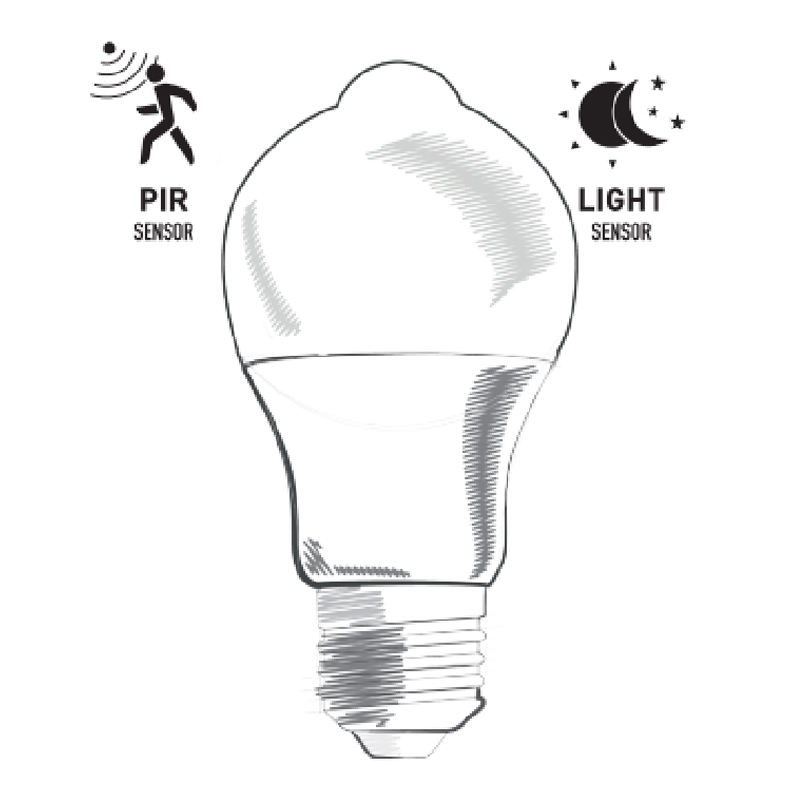
Introduction to LED Ceiling Lights LED ceiling lights have become a popular choice for modern homes,...
Content
LED ceiling lights are increasingly becoming the go-to choice for modern residential and commercial spaces due to their energy efficiency, long lifespan, and sleek design. Unlike traditional incandescent or fluorescent lights, LEDs consume far less electricity while providing consistent, bright illumination. Proper installation is crucial, not only for performance but also for safety, as improper wiring or mounting can lead to electrical hazards, flickering, or even permanent fixture damage.
Preparing for Installation
Assess the Installation Area
Before installing an LED ceiling light, a thorough assessment of the installation site is essential. Begin by examining the type of ceiling—whether drywall, plaster, or suspended ceiling—as this will determine the appropriate mounting method. For instance, heavier LED panel lights may require reinforced brackets or additional anchors to ensure secure mounting.
Next, inspect the existing electrical wiring. Check for signs of wear, frayed wires, or loose connections. An electrical system that cannot handle the wattage of the LED light may lead to flickering or even potential fire hazards. Also, consider the location of the light; avoid placing LED fixtures near water sources unless the light is rated for wet or damp conditions.
Gather Tools and Materials
Efficiency in installation starts with preparation. Assemble all necessary tools and materials before beginning:
- LED ceiling light fixture
- Mounting bracket (usually included)
- Screwdriver and power drill
- Wire strippers and electrical tape
- Screws, wall anchors, or toggle bolts as needed
- Voltage tester or multimeter
A voltage tester is crucial to confirm that the circuit is de-energized before touching wires, significantly reducing the risk of electric shock. Having all materials at hand will make the installation smoother and minimize mistakes.
Step-by-Step Installation Process
Step 1: Remove Existing Fixtures
If replacing an existing fixture, start by carefully removing it. Turn off the power at the circuit breaker and use a voltage tester to ensure safety. Remove the old fixture by unscrewing mounting screws and disconnecting the wiring. Check the electrical box to ensure it is secure and can support the weight of the new LED fixture. This step is critical because even high-quality LED lights can become unsafe if mounted on an unstable base.
Step 2: Install the Mounting Bracket
Most LED ceiling lights come with a mounting bracket. Secure this bracket to the electrical box using screws, ensuring it is level. For heavier fixtures or larger panels, additional anchors may be necessary to prevent sagging or detachment. A level bracket ensures the fixture sits flush against the ceiling and maintains a professional appearance.
Step 3: Connect the Wiring
Proper wiring is the backbone of a safe LED installation. Typically, the wiring involves three main connections:
- Live (Black) Wire: Connects the fixture to the power supply.
- Neutral (White) Wire: Completes the electrical circuit.
- Ground (Green or Bare Copper Wire): Ensures safety against electric shocks.
Use twist-on wire connectors or wire nuts to secure each connection. Wrap electrical tape around the connectors for extra insulation. Never leave exposed wires, and always ensure connections are tight to prevent arcing.
Step 4: Secure the LED Fixture
Once the wiring is connected, align the fixture with the mounting bracket and attach it using screws or locking clips provided by the manufacturer. Confirm that the fixture sits flush against the ceiling and is evenly supported. Double-check that the fixture is stable and cannot be easily dislodged.
Step 5: Test the Installation
Restore power at the circuit breaker and switch on the light. Observe the LED for any flickering, buzzing, or overheating. If issues arise, turn off the power immediately and inspect connections, dimmer compatibility, or electrical supply issues. Proper testing ensures the fixture operates reliably and safely.
Safety Considerations
Electrical Safety
Electrical safety cannot be overstated. Always turn off the circuit breaker before beginning any installation. Use insulated tools to reduce the risk of electric shock. Avoid installing fixtures in wet or damp areas unless the light is rated for such environments. Ensure all wiring meets local electrical codes, and consider hiring a licensed electrician if you are uncertain about any step.
Structural Safety
Structural safety is equally important. The ceiling must be able to support the weight of the LED light. Use appropriate anchors or brackets for heavy fixtures. Do not overtighten screws, as this can crack the fixture or ceiling surface. For suspended ceilings, ensure the light is compatible with ceiling panels and secure the fixture to a solid support beam whenever possible.
Installation Comparison Table
| Installation Step | Recommended Practice | Common Mistakes to Avoid |
|---|---|---|
| Power Off | Turn off the circuit breaker before starting | Relying only on wall switch |
| Mounting Bracket | Level bracket, use proper anchors | Using inadequate support |
| Wiring Connections | Match live, neutral, ground; secure with wire nuts | Twisting wires without connectors |
| Fixture Attachment | Secure flush with ceiling | Leaving fixture loose |
| Testing | Check operation, flicker, heat | Not testing until full assembly completed |
Maintenance Tips for Longevity
- Regular Cleaning: Dust and dirt can reduce brightness. Use a soft cloth and avoid harsh chemicals.
- Avoid Overloading Circuits: Ensure your circuit can handle the combined wattage of all LED lights.
- Inspect Connections: Periodically check wiring for signs of loosening or wear.
- Use Compatible Dimmers: Only use dimmer switches rated for LED to prevent flickering and damage.
- Monitor for Overheating: Ensure adequate ventilation around LED panels to avoid heat buildup.
FAQ
Q1: Can I install LED ceiling lights myself?
A1: Yes, for standard residential fixtures. Ensure the circuit is off and follow wiring guidelines. For complex or commercial setups, consult a licensed electrician.
Q2: How long do LED ceiling lights last?
A2: Typically 25,000–50,000 hours depending on usage and ventilation.
Q3: What should I do if the LED flickers?
A3: Check wiring, dimmer compatibility, and voltage supply. Resolve any loose connections.
Q4: Can LED lights be installed in bathrooms or damp areas?
A4: Only if the fixture is rated for wet or damp locations. Always check the specification label.
Q5: How do I make installation faster and more efficient?
A5: Gather all tools and materials beforehand, pre-plan wiring paths, and follow step-by-step guidelines.
References
- U.S. Department of Energy – LED Lighting Basics
- National Electrical Code (NEC) – Residential Wiring Guidelines
- LED Manufacturer Installation Manuals
- Home Electrical Safety and Maintenance Guide
- Energy Star – LED Lighting Standards and Installation Tips
