
 English
 中文简体
 عربى
 Español

Introduction to LED Ceiling Lights LED ceiling lights have become a popular choice for modern homes,...
Content
At Guangji Lighting, we’ve spent over 13 years helping customers across Europe, the Americas, and Asia create comfortable, energy‑efficient indoor environments. One space that often gets overlooked in lighting design is the bathroom — and specifically, the ambient layer that sets the mood. Many people think “bright” is all a bathroom needs, but a truly relaxing and functional bathroom depends on soft, even ambient light that can be adjusted to your needs. In this guide, we’ll walk you through the essentials of ambient bathroom lighting, from choosing the right color temperature to selecting fixtures that work in humid conditions, all with the practical experience of a direct manufacturer.
What Is Ambient Bathroom Lighting?
Ambient lighting is the general, overall illumination that fills a room without harsh shadows or glare. In a bathroom, it’s the light that lets you move around safely, see the space as a whole, and create a foundation for other layers like task lighting (e.g., vanity mirrors) and accent lighting (e.g., decorative fixtures). Unlike a single overhead fixture that can be blinding, well‑planned ambient lighting uses multiple sources or diffused fixtures to produce a soft, welcoming glow. It’s the difference between stepping into a sterile operating room and a soothing spa.
For bathrooms, ambient light often comes from ceiling‑mounted fixtures such as surface‑mounted ceiling lights, recessed downlights, or even wall‑mounted sconces that wash the walls with light. The key is to avoid intense, direct beams. Instead, you want light that bounces off surfaces — ceilings, walls, floors — to create a gentle, even illumination. This is especially important in smaller bathrooms where a single bright bulb can feel overwhelming.
Key Factors to Consider for Bathroom Ambient Lighting
Color Temperature and CRI
Color temperature, measured in Kelvin (K), determines whether light feels warm or cool. For ambient bathroom lighting, most homeowners prefer a warm white (2700K–3000K) to create a relaxing, spa‑like atmosphere. Cooler temperatures (4000K–5000K) are more energizing and work well for task areas like shaving or makeup application, but they can make the room feel clinical. Many modern LED fixtures now offer selectable color temperatures (3CCT), allowing you to switch between warm, neutral, and cool white with the flick of a switch — a practical solution for multi‑use bathrooms. High Color Rendering Index (CRI ≥ 80, ideally ≥ 90) ensures that skin tones and bathroom colors appear natural, which is especially important when you’re grooming.
Dimming Capability
Dimmable ambient lighting gives you control over the mood. A bright setting for morning routines, a softer glow for evening baths. Not all LED bulbs and fixtures are dimmable, so it’s important to choose products explicitly rated for dimming. Our TRIAC dimmable LED bulbs, for example, offer smooth dimming from 100% down to low levels, compatible with most standard dimmer switches. When selecting fixtures, look for “dimmable” in the specifications and ensure your dimmer is compatible with LED loads.
Moisture Resistance and Safety
Bathrooms are humid environments. For ambient fixtures installed in zones 1 or 2 (above the bath or shower), you need at least IP44 (splash‑proof) or higher. Surface‑mounted ceiling lights and downlights with IP65 ratings provide extra protection against steam and condensation. Always check the ingress protection (IP) rating of your chosen light — it’s a non‑negotiable for long‑term safety and performance.
Light Output and Uniformity
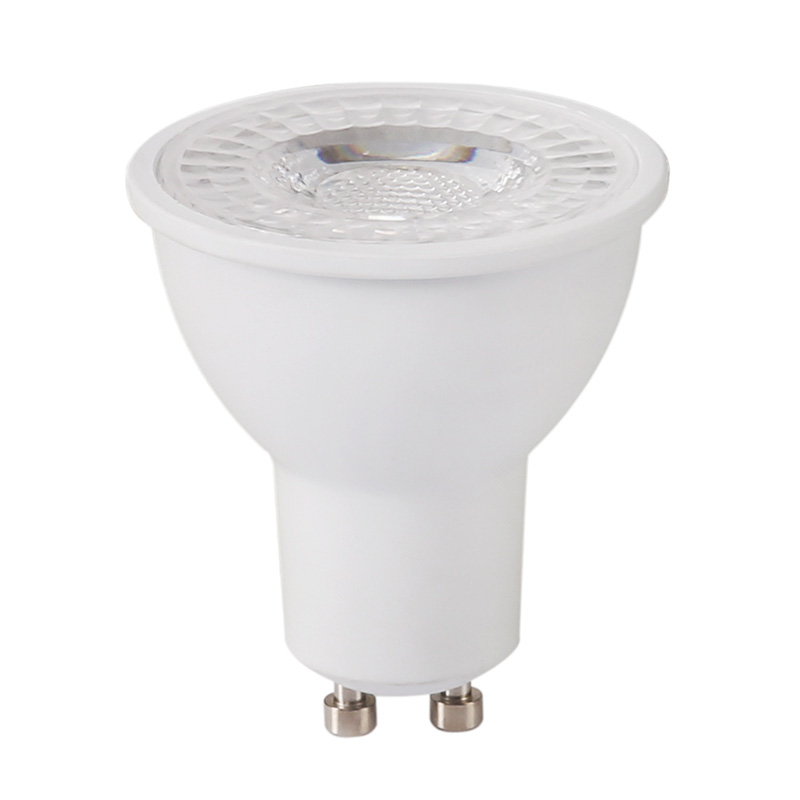
Ambient lighting should provide enough lumens to safely illuminate the whole room, but without hot spots. A common guideline is 50–75 lumens per square foot for bathrooms, though this can vary based on room size and ceiling height. Multiple downlights or a single ceiling light with a wide beam angle (120° or more) can distribute light evenly. Avoid fixtures with narrow beams (like some spotlights) as your primary ambient source.
Smart Product Choices for Ambient Bathroom Lighting
As a manufacturer, we design our products with the end‑user’s comfort and the installer’s ease in mind. Here are three fixture types that excellently serve ambient bathroom lighting, each with its own strengths. You can click on each product to see its full specifications.
Ceiling Lights – Simple and Even Illumination
For bathrooms with standard ceilings, a surface‑mounted ceiling light is often the quickest way to achieve ambient light. Our plastic‑aluminum ceiling light features a diffused panel that reduces glare and produces a wide, wash‑like distribution. Available in 3CCT (3000K/4000K/6000K), it lets you choose the warmth that suits your mood. The combined plastic and aluminum construction ensures good heat dissipation and corrosion resistance, important in humid conditions.
 Plastic-Aluminum Ceiling Light– PL-AL-5W (5W, Ø90×50mm)View Product →
Recessed Downlights – Clean and Versatile
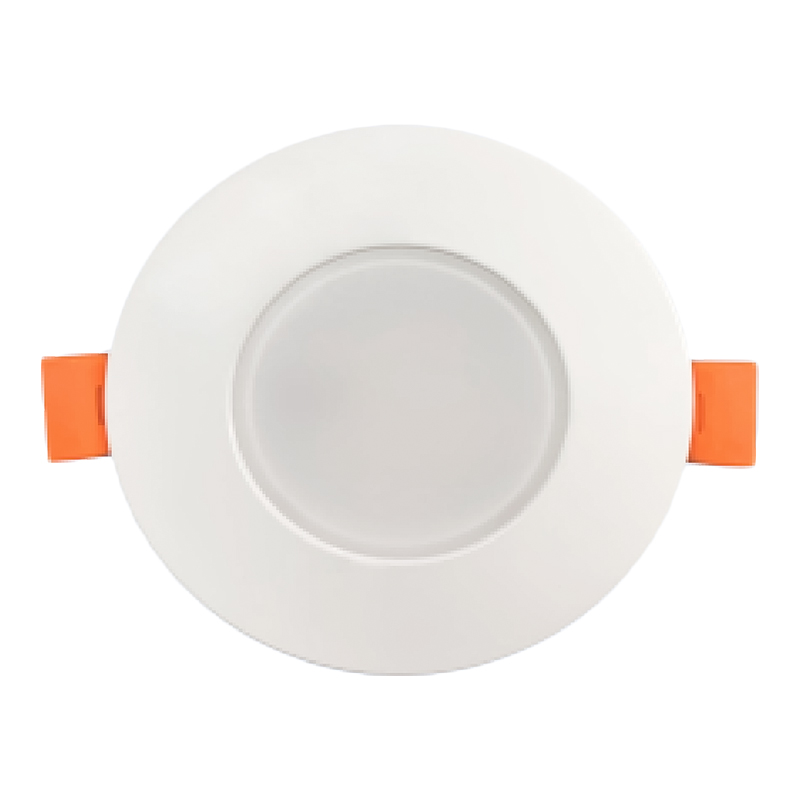
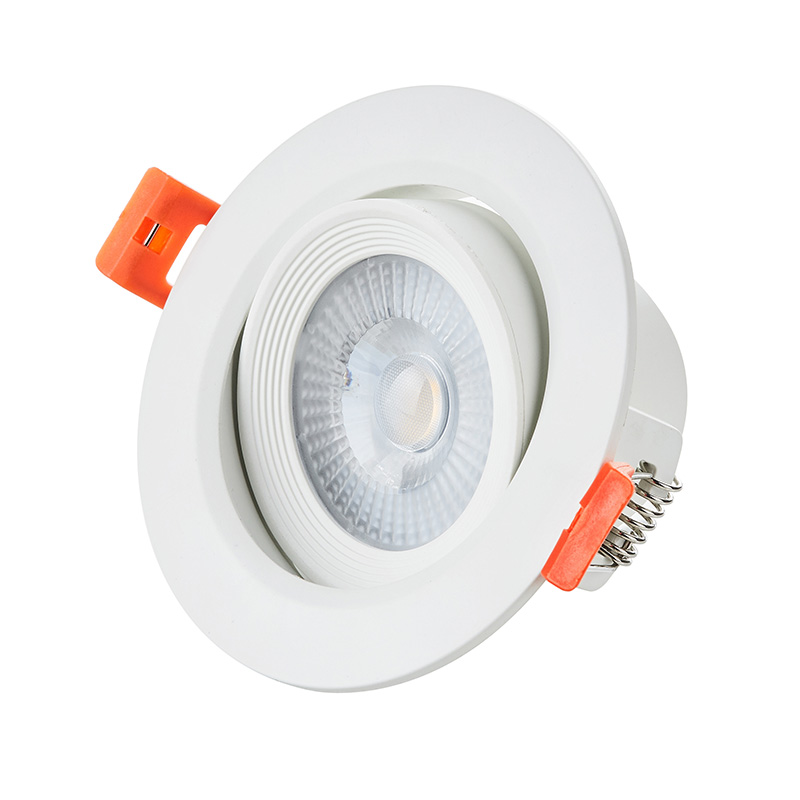
If you prefer a recessed look, downlights are the go‑to choice for ambient bathroom lighting. Our 3CCT 7W/9W LED downlights offer a slim profile, easy installation, and selectable color temperature. The wide beam angle (120°) provides smooth coverage without dark corners. For extra flexibility, consider the wattage‑selectable version that lets you adjust brightness from 5W to 12W — perfect if you want to fine‑tune the ambient level after installation. Both models are IC‑rated for insulation contact and suitable for damp locations.
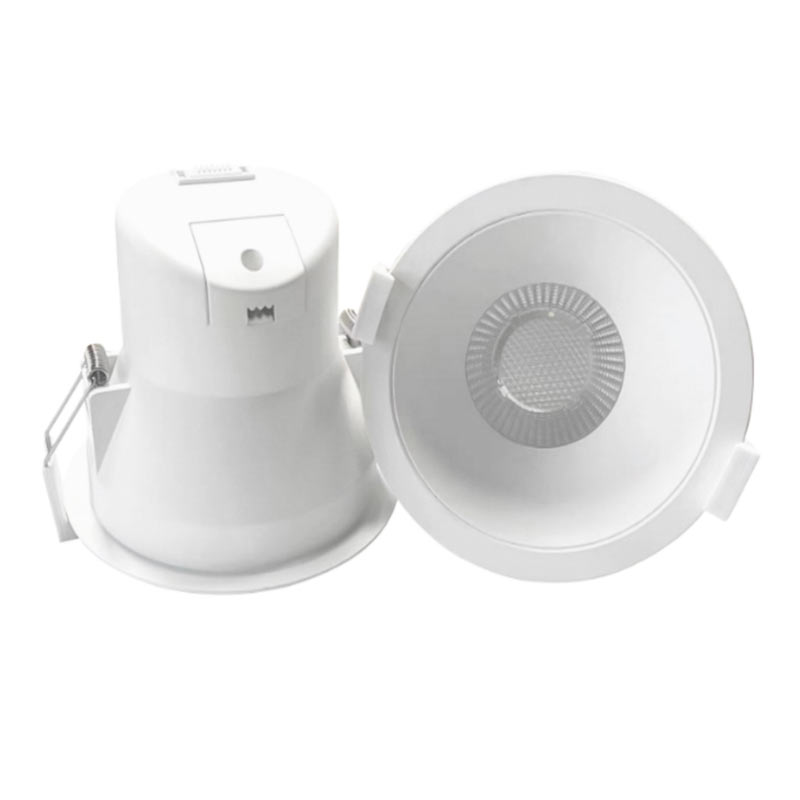 3CCT 7W/9W LED Downlights–GJ-TDHC-7W-CCT (7W, Ø90×75mm cutout)View Product →
Sensor‑Equipped Bulbs – Hassle‑Free Night Lighting
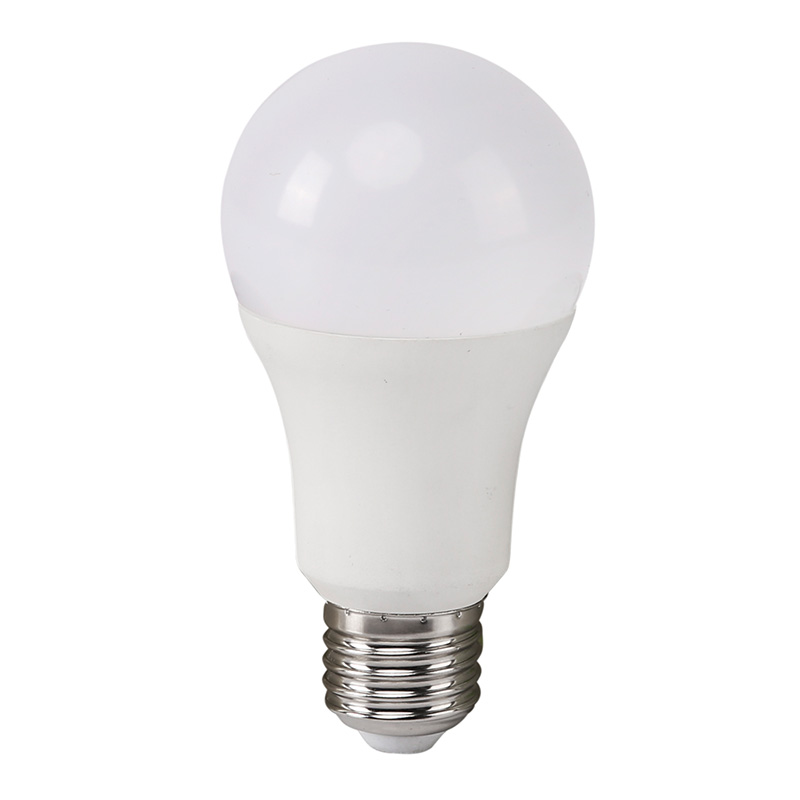
For ambient lighting that responds automatically, our A60 PIR motion sensor LED bulbs are a smart addition. They can be used in any standard E27 socket as a supplement to your main ambient light — for example, as a nightlight that turns on when you enter the bathroom and turns off after you leave. The warm white option (3000K) blends seamlessly with your ambient scheme while saving energy. The built‑in PIR sensor detects movement up to 5–8 meters, making it ideal for family bathrooms where you don’t want to fumble for a switch in the dark.
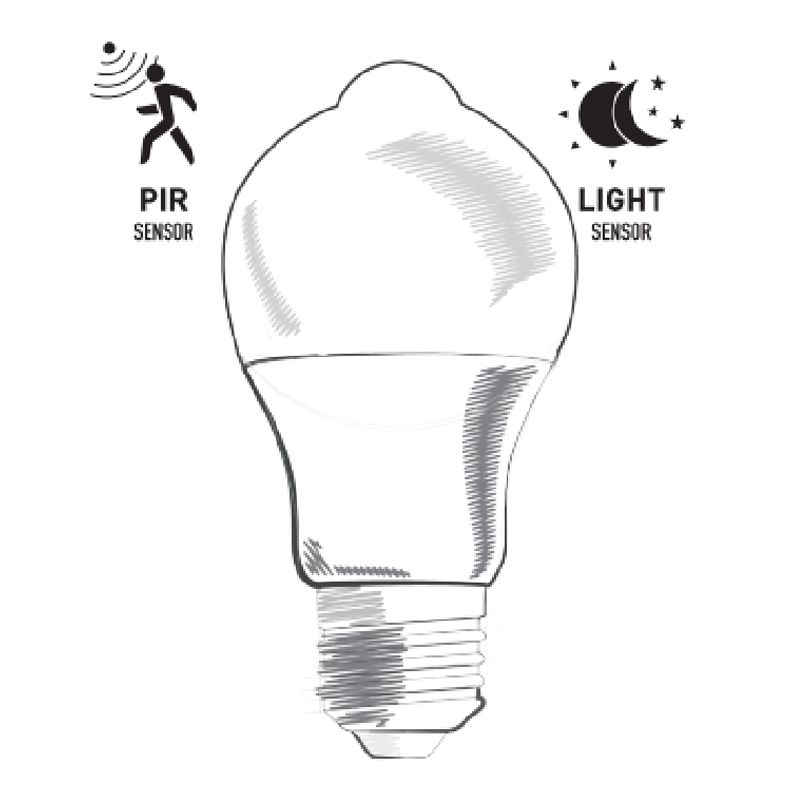 A60 PIR Motion Sensor LED BulbsTechnical ParametersView Product →
Layering Your Bathroom Lighting for the Best Effect
Ambient lighting alone is not enough for a complete bathroom experience. You want to layer it with task lighting (e.g., a bright vanity mirror fixture with good CRI) and accent lighting (e.g., a small spotlight on artwork or architectural features). The ambient layer provides the base, allowing the other layers to stand out without harsh contrasts. For example, dim your ambient ceiling lights to 50% while using a bright vanity light for grooming — this creates a comfortable gradient.
A popular combination we see is using recessed downlights (ambient) around the perimeter, a vent‑light with a nightlight function, and a decorative wall sconce near the bathtub. When you choose all fixtures from the same supplier, you ensure consistent color temperatures and quality. Our product lines include compatible options across ceiling lights, downlights, and bulbs, making it easy to build a cohesive system.
Practical Tips for Installation and Common Mistakes
Installing ambient bathroom lighting doesn’t have to be complicated, but a few mistakes can ruin the effect. Here are some lessons we’ve gathered from years of supporting installers and homeowners:
- Don’t rely on a single fixture. A single ceiling light in the center of a small bathroom can create shadows at the edges. Use two or more downlights spaced evenly, or combine a ceiling light with wall sconces.
- Match your fixture to the zone. Always check the IP rating. A fixture rated IP20 is only safe for zone 3 (outside the humid areas). For above the bath or shower, IP44 or higher is mandatory.
- Test the color temperature before painting. Warm white (2700K–3000K) complements most bathroom tiles and paint. If you’re using cool white tiles, consider neutral white (3500K–4000K) to avoid a blue-ish cast.
- Install a dimmer. Even if you don’t plan to dim often, having the capability gives you flexibility. Make sure the dimmer is rated for LED and compatible with your fixtures.
For a deeper dive into selecting and installing downlights, check out our guide How to Choose and Install LED Downlights. You’ll find step‑by‑step instructions on ceiling cutouts, wiring, and trim selection.
Another common question is whether LED ceiling lights are suitable for bathroom use. We’ve covered that in LED Ceiling Lights: Brightness, Efficiency, Style for Your Home, which includes tips specifically for damp environments.
And if you’re planning a full remodel, our LED downlights category page lists all our current models with easy‑to‑compare specs.
Bringing It All Together
Ambient bathroom lighting is about balance: not too bright, not too dim, with a color temperature that makes you feel relaxed. By choosing fixtures that are dimmable, moisture‑resistant, and provide even light distribution, you can transform your bathroom into a personal sanctuary. As a factory‑direct manufacturer, we’re here to support your project — whether you’re a homeowner, a contractor, or a brand looking for OEM/ODM solutions. Our team can help you select the right products and even customize specifications like color temperature, wattage, and beam angle. Get in touch with us through the contact page, and let’s create the ambient bathroom lighting you deserve.
