
 English
 中文简体
中文简体 عربى
عربى Español
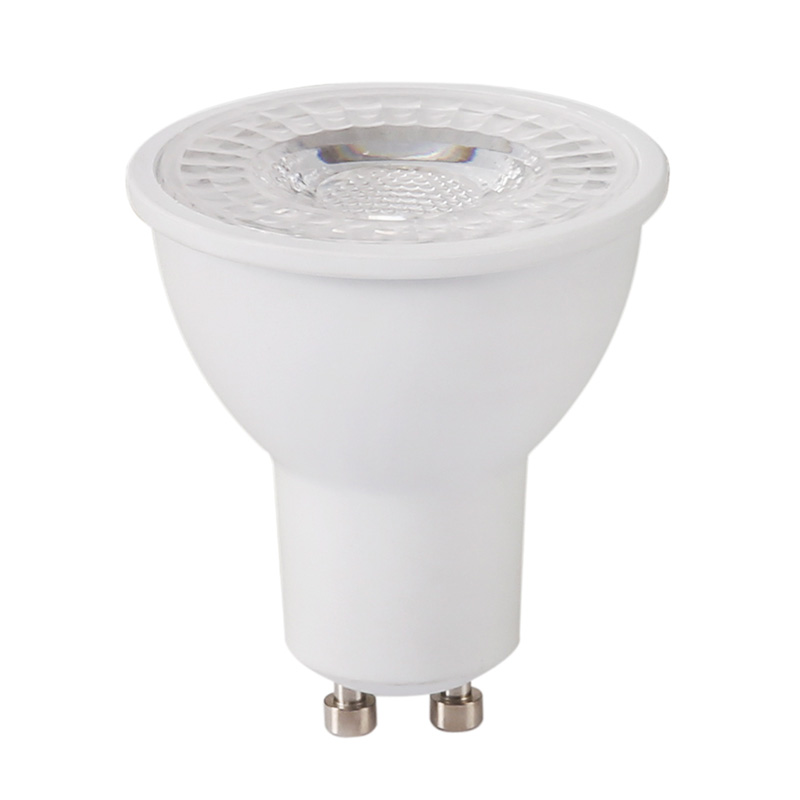
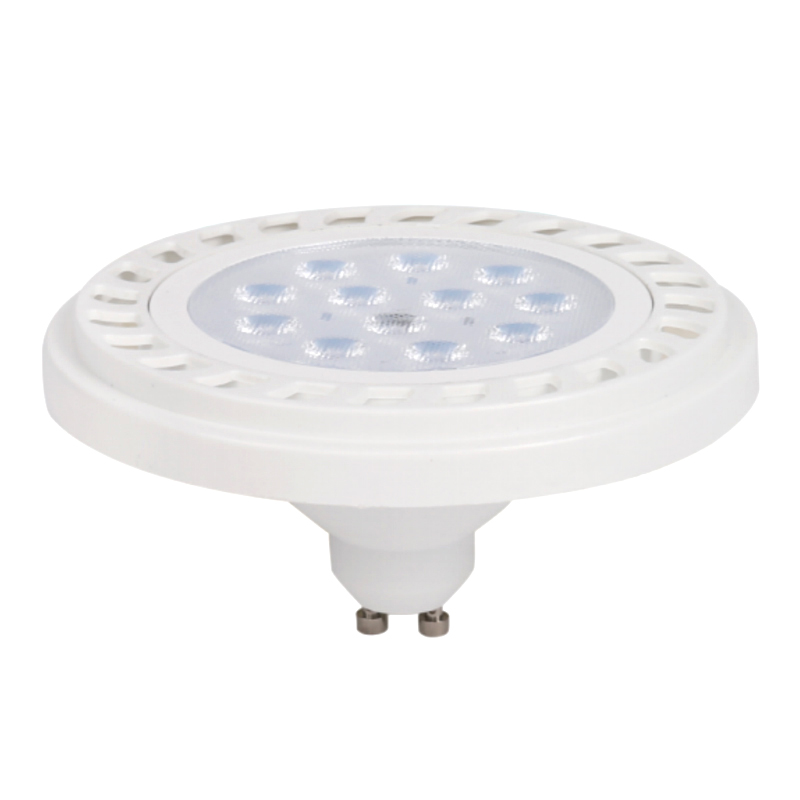
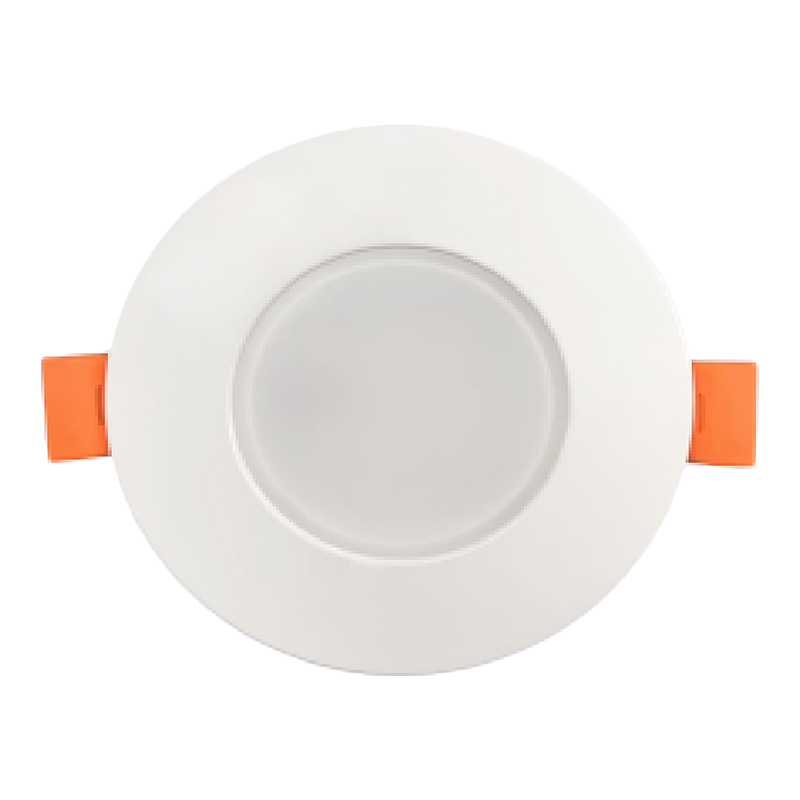
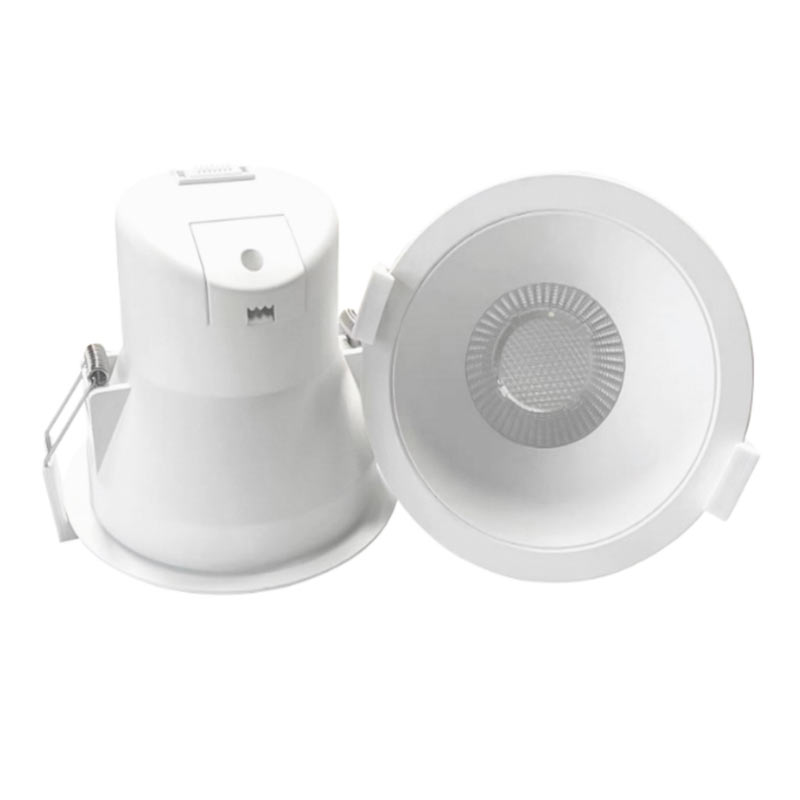
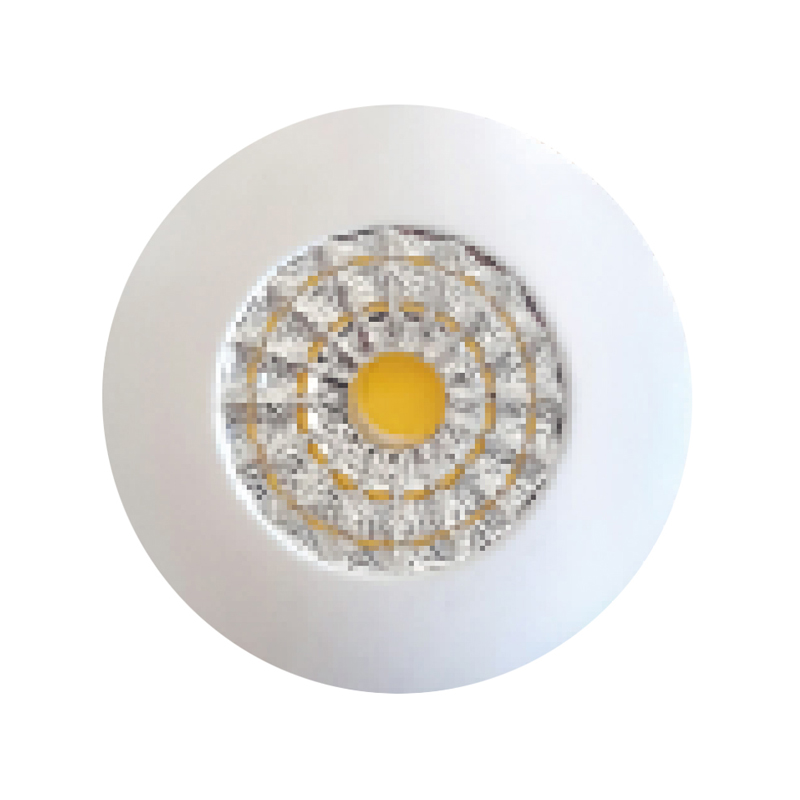
Introduction to LED Ceiling Lights LED ceiling lights have become a popular choice for modern homes,...
Content
In the field of professional architectural lighting, an LED downlight is much more than a simple hole in the ceiling that emits light. It is a precision tool used to shape the atmosphere, functionality, and aesthetic appeal of a space. Among all technical specifications—wattage, lumens, and color temperature—the Beam Angle is perhaps the most misunderstood yet critical factor.
The beam angle determines how light is distributed across your room. Selecting the wrong angle can lead to common lighting failures, such as “hot spots” (areas that are too bright), excessive glare, or the dreaded “cave effect” where walls remain dark and gloomy.
Defining the Beam Angle: The Physics of Precision Lighting
At its core, the beam angle of an LED downlight (also referred to as beam spread) is a measurement of the light’s distribution as it leaves the fixture. Specifically, it is defined as the angle between the two planes where the light intensity is 50% of the maximum intensity at the center.
The Relationship Between Beam Angle and Lux
When you compare two 10W LED downlights, one with a 15° beam and another with a 60° beam, the total luminous flux (total light output) might be the same, but the Lux (light intensity on a specific surface) will be vastly different. A narrow beam concentrates all available photons into a small area, creating a powerful “punch” of light. Conversely, a wide beam spreads that energy over a larger area, resulting in softer, more diffused illumination. Understanding this principle is vital for energy-efficient design, as it allows you to use lower-wattage fixtures to achieve high intensity on specific work surfaces.
Beam Angle Categories in Modern LEDs
Most commercial LED downlights are classified into three primary categories based on their optics:
- Narrow Beams (15° – 24°): These are essentially “spot” lights. They are used for accent lighting to highlight architectural features, artwork, or retail displays.
- Medium Beams (36° – 45°): Often called “flood” beams, these are the standard for residential lighting, providing a balance between focus and ambient coverage.
- Wide Beams (60° – 120°): These provide general ambient lighting. The 120° beam is typically found in SMD LED downlights with frosted covers, offering a very uniform, shadow-free glow.
COB vs. SMD: How Technology Affects the Beam
The type of LED chip significantly impacts the quality of the beam. COB (Chip on Board) technology allows for a single, concentrated light source that can be paired with high-precision reflectors or lenses to create sharp, defined beam angles. On the other hand, SMD (Surface Mounted Device) chips are spread out, naturally creating a wide, diffused light that is harder to “narrow down” without significant light loss.
Why Beam Angle is the Key to an Effective Ceiling Layout
A successful recessed lighting layout requires more than just a grid of lights. It requires “layering,” and the beam angle is the primary tool for achieving this. Without considering the spread of light, even the most expensive LED fixtures will fail to create a comfortable environment.
Eliminating the “Cave Effect” and “Swiss Cheese” Ceilings
The “cave effect” occurs when light is directed solely at the floor, leaving the upper portions of the walls in shadow. By using wide-angle LED downlights near walls, you can “wash” the vertical surfaces with light, which reflects back into the room and makes the space feel larger and more inviting. Furthermore, choosing the correct beam angle helps you avoid the “Swiss cheese” ceiling—a common mistake where too many low-power, wide-angle lights are installed in a tight grid. By using medium beams with higher intensity, you can space your fixtures further apart (typically 1.5m to 2.0m), maintaining a clean, minimalist ceiling aesthetic.
Task Lighting Excellence in Kitchens and Offices
In task-oriented areas like kitchen countertops or office desks, the beam angle must provide “functional intensity.” A 36° to 40° beam angle is generally recommended for kitchen downlights. If the beam is too wide, the light disperses before it reaches the counter, and you end up working in your own shadow. If it is too narrow, you create harsh shadows and glare on reflective surfaces like marble or stainless steel. The goal is to overlap the “pools of light” at the working height (usually 80cm-90cm above the floor) to ensure a seamless, shadow-free workspace.
Comparative Selection Table for Ceiling Layouts
The following table serves as a quick-reference guide for professionals and DIYers when planning their LED lighting installation:
| Room Type | Recommended Beam Angle | Ideal Mounting Height | Spacing Suggestion |
|---|---|---|---|
| Living Room | 40° - 60° (Medium/Wide) | 2.4m - 2.8m | 1.5m - 1.8m apart |
| Kitchen Worktops | 36° (Medium) | 2.4m - 2.7m | Directly over counter edges |
| Art/Feature Wall | 15° - 24° (Narrow) | 2.4m - 3.5m | 0.5m - 1m from the wall |
| High Ceiling Lobby | 15° - 24° (Narrow) | 4.0m - 6.0m | 2.5m+ apart |
| Bathroom/General | 60° - 100° (Wide) | 2.4m | Centralized spacing |
Technical Considerations: Glare, CRI, and Visual Comfort
When optimizing your website for LED lighting keywords, it is essential to discuss “Visual Comfort,” which is the intersection of beam angle, CRI (Color Rendering Index), and UGR (Unified Glare Rating).
Reducing Glare for Better Eye Health
One of the hidden benefits of a narrower beam angle in a deep-recessed fixture is the reduction of glare. High-quality architectural LED downlights often feature a “cut-off angle,” where the light source is hidden deep within the housing. A 24° or 36° beam directed straight down means the light doesn’t enter the occupant’s eyes at a horizontal angle. This results in a low UGR, which is proven to reduce eye strain and headaches in office and residential environments.
The Role of CRI in Beam Quality
A beam of light is only as good as the colors it reveals. When choosing a downlight, a CRI > 90 is becoming the industry standard. Whether you are using a narrow beam to highlight a painting or a wide beam for a walk-in closet, high CRI ensures that the reds, blues, and skin tones under that beam look natural and vibrant. Lower CRI lights can make a space look “muddy” or grey, regardless of how perfect the beam angle is.
Future-Proofing with Modular Optics
The lighting industry is moving toward modularity. Some premium LED downlight systems now feature interchangeable lenses. This is a massive advantage for commercial spaces like galleries or retail stores. If the layout of the store changes, you don’t need to replace the entire fixture; you simply swap the 60° lens for a 15° lens to refocus the light on a new display. This flexibility is a key selling point for modern, sustainable building projects.
FAQ: Frequently Asked Questions about LED Downlight Beam Angles
Q1: How does the ceiling height affect the choice of beam angle?
A: As the ceiling gets higher, the light spread increases. For a high ceiling (over 4 meters), you need a narrow beam angle (15°-24°) to ensure the light actually reaches the floor with enough intensity. For standard 2.4m ceilings, a wider beam (40°-60°) is better for uniform coverage.
Q2: Can I mix different beam angles in the same room?
A: Absolutely! This is known as “Layered Lighting.” You might use wide 60° beams for general ambient light and narrow 15° beams to highlight a fireplace or a piece of furniture.
Q3: Does a wider beam angle mean more light?
A: No. The “amount” of light (Lumens) stays the same. The beam angle only changes how that light is distributed. Think of it like a garden hose nozzle: the same amount of water comes out, but you can choose a direct jet or a wide mist.
Q4: Which beam angle is best for outdoor soffit lighting?
A: For outdoor house eaves, a medium beam angle (around 36°) is popular as it creates nice “scallops” of light against the exterior walls without wasting light into the neighbor’s yard.
References and Citations
- IESNA (Illuminating Engineering Society): RP-1-12 American National Standard Practice for Office Lighting.
- CIBSE (Chartered Institution of Building Services Engineers): SLL Code for Lighting 2022.
- Energy Star: Lighting Product Specifications for Directional Luminaires.
- European Standard EN 12464-1: Lighting of work places - Indoor work places.
