
 English
 中文简体
中文简体 عربى
عربى Español
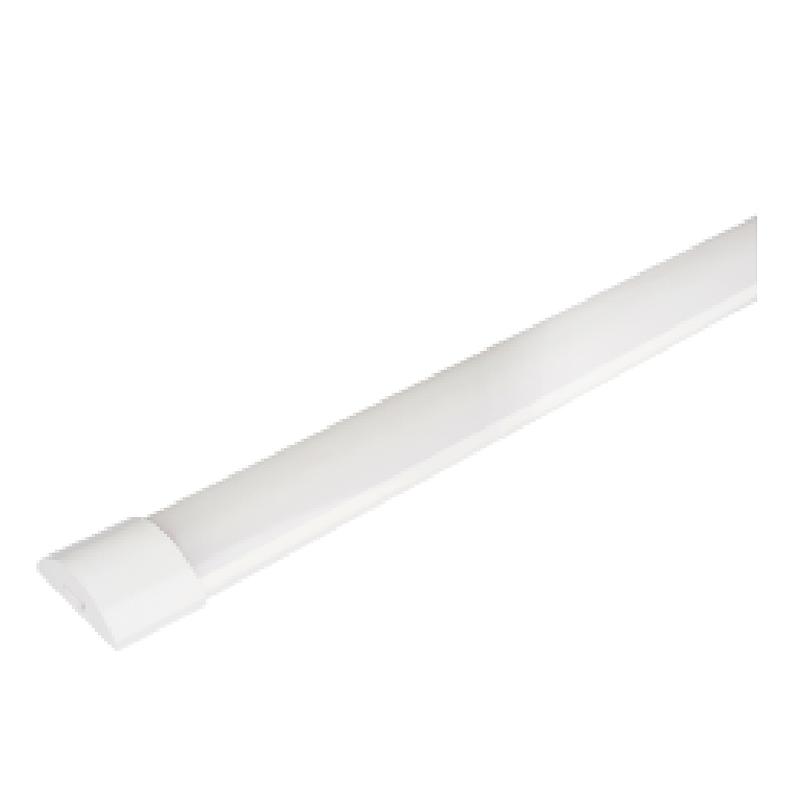
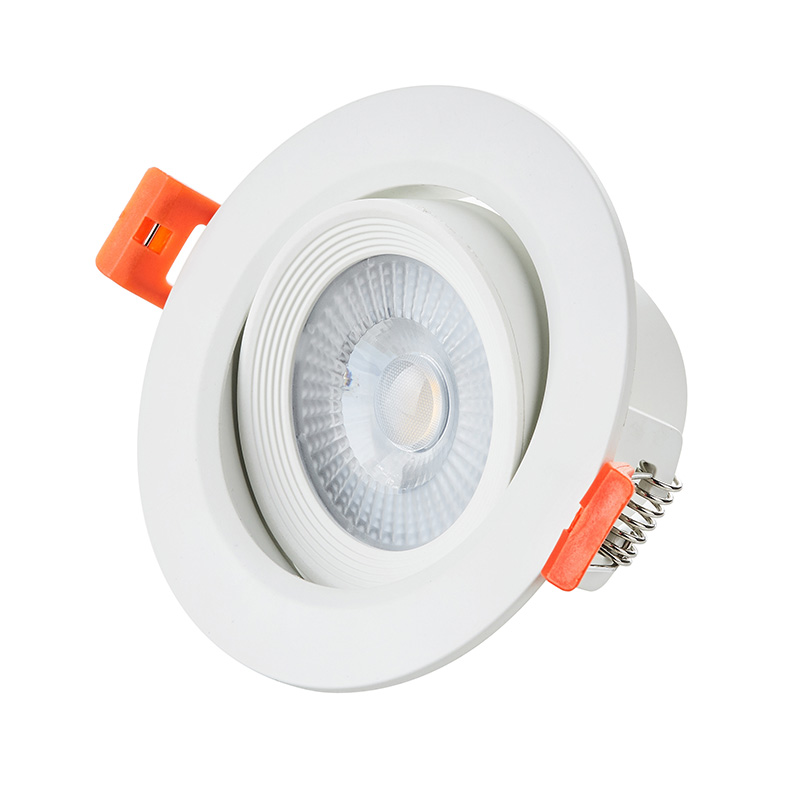
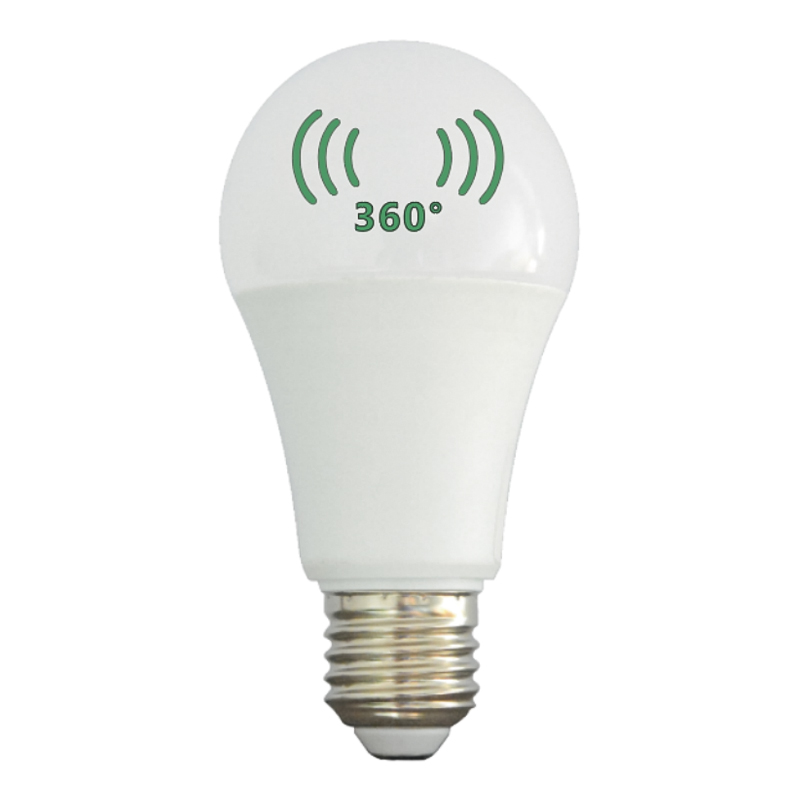
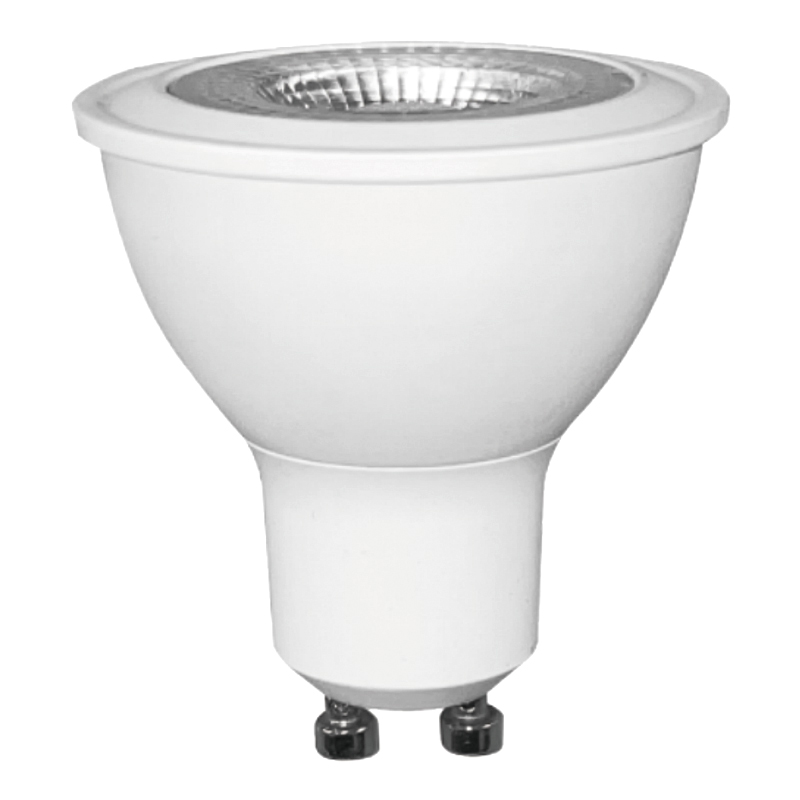
Introduction to LED Ceiling Lights LED ceiling lights have become a popular choice for modern homes,...
Content
When planning the lighting for a modern interior, the most common dilemma is choosing between Warm White and Cool White. While it may seem like a purely aesthetic choice, the color temperature of your LED Ceiling Light significantly affects everything from your sleep quality to your productivity at work.
The color of light is measured on the Kelvin (K) scale. LED Ceiling Lights typically range from 2700K to 6500K.
- Warm White (2700K - 3000K): Offers a comforting, yellowish hue that mimics the soft glow of sunset or classic incandescent bulbs.
- Cool White (4000K - 5000K): Provides a clean, neutral-to-bluish light that resembles natural midday sun.
The question of which is “better” doesn’t have a single answer; it depends on the functional requirements of the room and the psychological impact you wish to achieve. For instance, a commercial office requires high-contrast “Cool White” to keep employees alert, whereas a hotel lounge relies on “Warm White” to foster relaxation. By strategically placing these different temperatures, you can optimize the Visual Comfort and Energy Efficiency of your lighting system.
Strategic Comparison: LED Color Temperature Application Guide
To provide a clear roadmap for your lighting project, the following table summarizes the best practices for applying LED Ceiling Lights in various settings:
| Feature | Warm White (2700K-3000K) | Cool White (4000K-5000K) |
|---|---|---|
| Visual Appearance | Soft, Amber, Cozy | Crisp, Neutral, Bright |
| Best For | Relaxation & Ambient Lighting | Task Lighting & Productivity |
| Key Environments | Bedrooms, Living Rooms, Dining Areas | Kitchens, Offices, Garages, Clinics |
| Circadian Impact | Promotes Melatonin (Sleep) | Boosts Serotonin (Alertness) |
| Design Style | Traditional, Classic, Rustic | Modern, Industrial, Minimalist |
The Case for Warm White: Creating Comfort and Ambiance
Enhancing Residential Living Spaces
Warm White LED Ceiling Lights are essential for areas meant for decompression. In the living room or bedroom, the lower Kelvin rating creates an inviting “hearth-like” feel. This light spectrum emphasizes the warmer tones in your decor—think of the rich grain of oak furniture or the deep textures of a velvet sofa.
- Atmospheric Advantage: It reduces the harshness of shadows, making the environment feel more intimate.
- Eye Comfort: Because it contains less blue light, it is far less straining on the eyes during the evening, making it the perfect choice for reading before bed or family movie nights.
Biological and Circadian Benefits
Our bodies are hardwired to respond to the color of light. Warm white light signals to the brain that the day is ending. By installing Warm White Flush Mount Ceiling Lights, homeowners can support their natural circadian rhythms. This helps in reducing “blue light toxicity” at night, ensuring that your family can wind down effectively and achieve higher-quality REM sleep.
The Power of Cool White: Precision, Clarity, and Focus
Boosting Productivity in Task-Oriented Zones
When it comes to the kitchen, home office, or workshop, Cool White LED Ceiling Lights are the undisputed champions. This temperature provides a higher “Lumen Output” perception and better contrast, which is vital for detail-oriented tasks.
- Kitchen Clarity: Cool white ensures that you can see the true colors of food and maintain safety while using sharp tools.
- Office Performance: Research shows that light in the 4000K-5000K range helps suppress daytime sleepiness, keeping the mind sharp and reducing the “slump” often felt in dimly lit or overly warm environments.
Modern Design and Commercial Efficiency
For modern retail spaces, showrooms, and minimalist homes, cool white light enhances the “clean” look. It makes whites look whiter and gives chrome or glass fixtures a brilliant sparkle. Furthermore, for Commercial LED Lighting projects, cool white is often preferred because it improves visibility in large areas like warehouses or hospitals, where safety and accuracy are paramount.
FAQ: Frequently Asked Questions
Q1: Can I use both Warm and Cool White in the same open-plan space?
A: While it is technically possible, mixing temperatures can look unorganized. A better solution is to use Tunable White LED Ceiling Lights or CCT Selectable models, allowing you to transition from cool white during the day to warm white at night.
Q2: Does color temperature affect the lifespan of an LED Ceiling Light?
A: No. The lifespan of an LED is determined by the quality of the driver and the heat dissipation of the housing, not the Kelvin rating.
Q3: Which temperature is better for a bathroom?
A: Most designers recommend Cool White (4000K) for bathrooms to provide accurate skin tone rendering for grooming and makeup application.
References and Standards
- IES (Illuminating Engineering Society): RP-1-12: American National Standard Practice for Office Lighting – Guidelines on optimal light temperatures for productivity.
- Energy Star (EPA): Color Temperature and Color Rendering – A guide for consumers on selecting high-efficiency LED products.
- Journal of Biological Rhythms: Impact of Light Temperature on Human Melatonin Levels – Peer-reviewed study on the health effects of indoor lighting.
