
 English
 中文简体
中文简体 عربى
عربى Español
Introduction to LED Ceiling Lights LED ceiling lights have become a popular choice for modern homes,...
Content
Quick Answer: What to Check Before You Buy
The right LED batten light comes down to three specs: wattage matched to your room size and ceiling height (roughly 10-20 watts per 100 square feet for general lighting), length matched to your fixture layout (common sizes are 2ft, 4ft, 5ft, and 6ft), and an IP rating appropriate to the environment — IP20 for dry indoor spaces, IP44 or higher for bathrooms, garages, and semi-exposed areas. Getting any one of these wrong is a common source of returns: undersized wattage leaves rooms dim, mismatched length disrupts fixture spacing, and an inadequate IP rating can lead to premature failure in humid or dusty environments.
As a general starting point: a 4ft batten light around 36-40 watts producing roughly 4,000-4,800 lumens works well for garages, utility rooms, and kitchens of average size.
What Is an LED Batten Light?
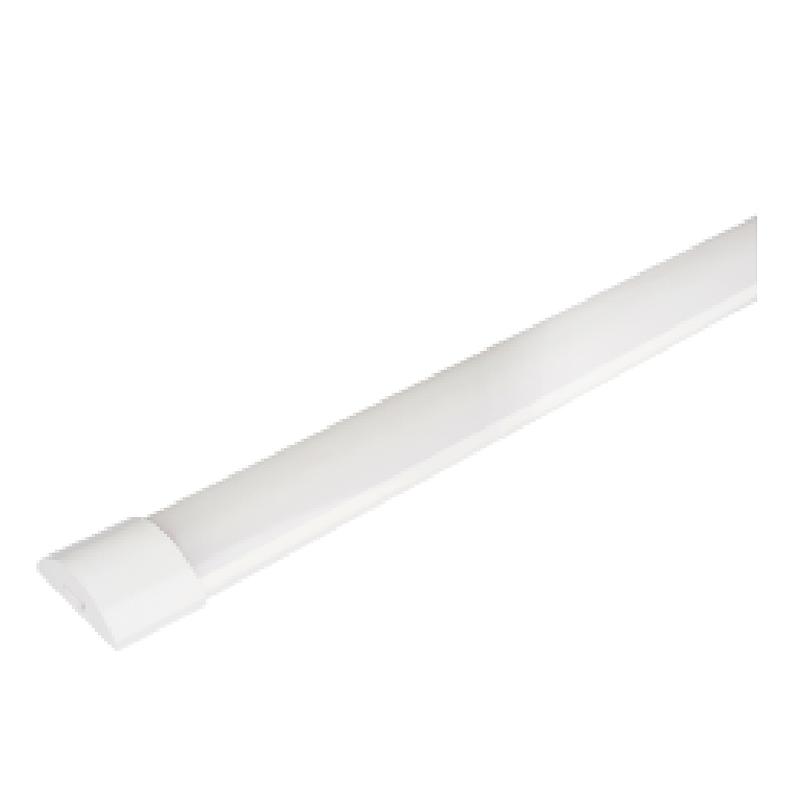
A batten light is a slim, linear fixture designed for surface mounting directly onto a ceiling or wall, most commonly used to replace older fluorescent tube fixtures. Unlike a single LED tube that requires an existing fixture housing, a batten light is a complete, self-contained unit with its own housing, driver, and diffuser, making it a straightforward drop-in replacement for outdated fluorescent battens.
Many batten lights are also linkable, meaning multiple units can be connected end-to-end to create a continuous run of lighting without needing a separate power connection for each fixture — a common feature in garages, workshops, and warehouse aisles.
Calculating the Right Wattage
Wattage alone isn't the most useful number — lumens (actual light output) matter more, but wattage is still a helpful shorthand once you know the fixture's efficiency.
| Length | Typical Wattage | Approximate Lumens |
|---|---|---|
| 2 ft | 18-20W | 1,800-2,200 lm |
| 4 ft | 36-40W | 4,000-4,800 lm |
| 5 ft | 45-50W | 5,000-5,800 lm |
| 6 ft | 54-60W | 6,000-7,000 lm |
Quality LED battens typically deliver 100-120 lumens per watt, so you can use that ratio to estimate output for any wattage not listed in the table above, or to compare efficiency between different manufacturers.
Choosing the Right Length and Fixture Layout
Length affects both coverage area and how easily fixtures can be arranged in a room, particularly for linkable installations.
- 2ft battens work well for small utility closets, under-cabinet runs, or spot-lighting specific work areas
- 4ft battens are the most common size for garages, kitchens, and standard-height ceilings, matching typical joist spacing in many homes
- 5-6ft battens suit larger rooms, workshops, or commercial spaces where fewer, longer fixtures reduce the total number of units needed
- Linkable systems let you daisy-chain fixtures end-to-end, which is useful for long runs like garage ceilings or warehouse aisles without running separate power drops for each unit
Most linkable batten systems support connecting up to 4-6 fixtures on a single circuit before requiring a separate power feed, so it's worth checking the manufacturer's maximum chain length before planning a long continuous run.
Understanding IP Ratings
IP (Ingress Protection) ratings indicate how well a fixture resists dust and moisture, and choosing the wrong rating for your environment is one of the most common causes of premature fixture failure.
How to Read an IP Rating
An IP rating consists of two digits: the first indicates dust/solid particle protection (0-6), and the second indicates moisture protection (0-9). A higher number in each position means greater protection — for example, IP65 offers stronger dust and water resistance than IP44.
Matching IP Rating to Room Type
- IP20: standard dry indoor spaces like offices, bedrooms, and living rooms
- IP44: bathrooms, kitchens, and garages where occasional splashing or condensation may occur
- IP65: outdoor covered areas, carports, or workshops with regular exposure to dust and moisture
- IP66-IP68: fully exposed outdoor installations or industrial washdown environments
Installing an IP20-rated batten in a garage or bathroom is one of the most common installation mistakes, since condensation and humidity in these spaces can corrode internal components and shorten the fixture's lifespan significantly compared to its rated hours.
Additional Specs to Compare
Beyond wattage, length, and IP rating, a few other specifications affect the overall value and suitability of a batten light.
- Color temperature: 4000-5000K (cool white) suits garages and workspaces, while 2700-3000K (warm white) suits living areas.
- CRI (Color Rendering Index): look for 80+ CRI for general use, or 90+ for spaces where color accuracy matters, like workshops or kitchens.
- Driver type: non-flickering, high-frequency drivers reduce eye strain, particularly important in spaces used for extended periods.
- Emergency backup options: some batten lights include a battery backup module for use in commercial or safety-critical settings.
CRI is frequently overlooked but significantly affects how colors appear under the light — a low-CRI fixture can make a workshop or kitchen feel dull or make it harder to judge true colors, even if the lumen output is technically sufficient.
Quick Buying Checklist
Before purchasing LED batten lights, confirm the following:
- Have you calculated wattage/lumens based on your room's square footage and ceiling height?
- Does the fixture length fit your intended layout and joist or mounting spacing?
- Is the IP rating appropriate for the room's humidity and dust exposure?
- Does the color temperature and CRI suit the room's intended use?
- If linking multiple fixtures, have you checked the manufacturer's maximum chain length per circuit?
Getting these three core specs right — wattage, length, and IP rating — covers the majority of what determines whether a batten light installation performs well and lasts for years, rather than needing early replacement due to insufficient brightness or moisture damage.
