
 English
 中文简体
中文简体 عربى
عربى Español
Introduction to LED Ceiling Lights LED ceiling lights have become a popular choice for modern homes,...
Content
Quick Answer: G25 vs. G30 vs. G40 at a Glance
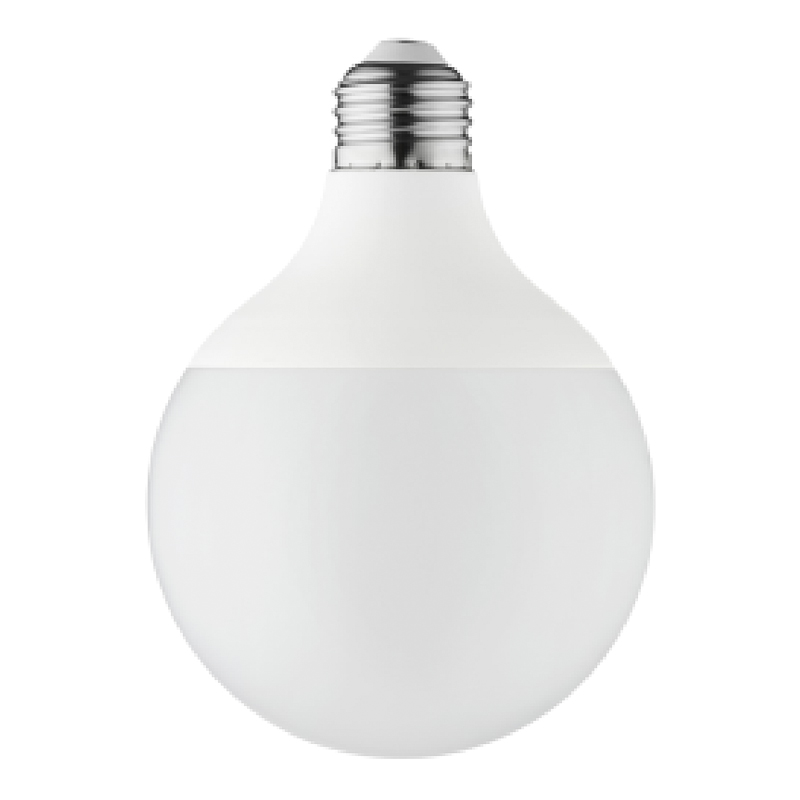
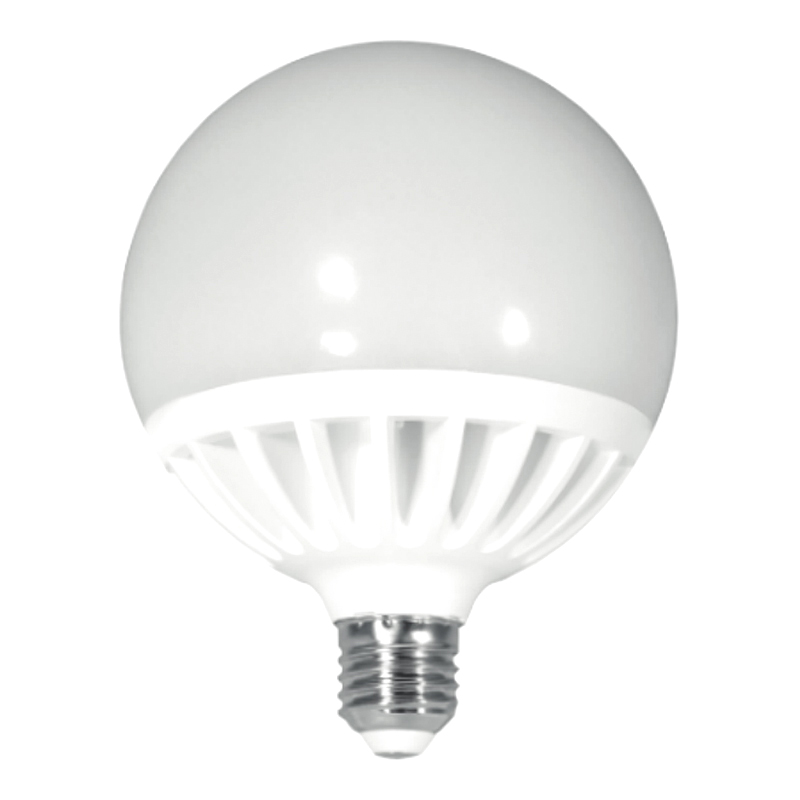
The number in each LED G Bulbs designation refers to its diameter in eighths of an inch, so G25 measures 25/8 inches (about 3.15 inches / 80mm), G30 measures 30/8 inches (about 3.75 inches / 95mm), and G40 measures 40/8 inches (about 5 inches / 127mm) in diameter. G25 bulbs are the standard choice for bathroom vanity fixtures and makeup mirrors, where multiple bulbs are arranged closely together. G30 bulbs suit slightly larger vanity fixtures or pendant lighting where a bit more visual presence is desired. G40 bulbs are significantly larger and are typically used for statement pendant lights, string lighting for patios and outdoor entertaining spaces, or decorative fixtures where the bulb itself is a visible design element rather than a discreet light source.
Understanding the "G" Sizing System
Before comparing specific sizes, it helps to understand how globe bulb dimensions are measured and labeled, since this naming convention applies consistently across manufacturers.
How the Numbers Work
The "G" stands for globe, referring to the bulb's round, spherical shape. The number that follows indicates the bulb's maximum diameter measured in eighths of an inch—a sizing convention inherited from traditional incandescent bulb standards that LED manufacturers have continued to use for compatibility and consistency.
Why Size Matters Beyond Aesthetics
Globe size affects more than just appearance. It determines physical clearance within a fixture, the visual brightness spread across the bulb's surface, and in decorative applications, how much of the bulb's filament-style LED design is actually visible to viewers.
Side-by-Side Size Comparison
The table below summarizes the key dimensional and application differences between the three most common globe sizes.
| Specification | G25 | G30 | G40 |
|---|---|---|---|
| Diameter | ~3.15 in (80mm) | ~3.75 in (95mm) | ~5 in (127mm) |
| Typical Base Type | E26 or E12 | E26 | E12 or E26 |
| Typical Wattage (LED) | 4-6W | 5-7W | 4-6W |
| Common Applications | Vanity mirrors, bathroom fixtures | Larger vanities, pendant lights | String lights, statement pendants |
| Visual Presence | Subtle, discreet | Moderate | Bold, decorative statement |
G25: The Standard Vanity Bulb
G25 is by far the most common globe size for residential lighting, particularly in bathroom applications.
Best Suited For
This size is the default choice for Hollywood-style vanity mirror fixtures, where 6 to 12 bulbs are often arranged in a row around a mirror. The compact diameter allows tight bulb spacing without bulbs touching or crowding each other, while still providing even, flattering facial illumination for makeup application and grooming.
Fixture Compatibility Notes
Most vanity fixtures designed for G25 bulbs have sockets spaced to accommodate this exact diameter. Attempting to substitute a larger G30 bulb into a G25-designed fixture can result in bulbs touching or an uneven, crowded appearance.
G30: The Middle Ground
G30 bulbs occupy a practical middle position, offering a slightly larger and more visible globe without moving into decorative-statement territory.
Best Suited For
This size works well in vanity fixtures with wider bulb spacing, small pendant lights, and fixtures where a slightly larger, rounder bulb silhouette is desired for aesthetic balance with fixture proportions. It's also commonly used in mid-sized decorative fixtures where G25 would look undersized but G40 would overwhelm the fixture.
When to Choose G30 Over G25
If your existing fixture has sockets spaced further apart, or if you're replacing incandescent bulbs in an older fixture originally designed for larger globes, G30 often provides a better proportional fit than defaulting to the more common G25.
G40: The Decorative Statement Bulb
G40 bulbs are significantly larger and serve a fundamentally different purpose than the smaller vanity-focused sizes.
Best Suited For
G40 is the standard size for outdoor patio string lights and decorative bulb strands, where the bulb itself is meant to be visually prominent rather than discreet. It's also popular in exposed-bulb pendant fixtures and industrial-style decorative lighting where the LED filament design is a focal aesthetic feature.
Weather and Durability Considerations
Because G40 bulbs are frequently used outdoors, look for models rated IP44 or higher for weather resistance, along with shatter-resistant coatings if the string lights will be installed in areas with heavy foot traffic or where accidental impact is a concern.
Other Key Specifications Beyond Size
Once you've identified the correct globe size, several additional specifications affect how well the bulb performs in your specific fixture.
Base Type
Globe bulbs commonly come with either E26 (standard medium base) or E12 (candelabra base) fittings. Always verify your fixture's socket type before purchasing, as the two are not interchangeable without an adapter.
Color Temperature
Vanity applications typically benefit from 2700K-3000K (warm white) for flattering, natural-looking skin tones, or 4000K-5000K (daylight) for more accurate color rendering during makeup application. Decorative string lighting more often uses warm 2200K-2700K tones for ambient, cozy effects.
Dimmability
If your fixture is connected to a dimmer switch, confirm the bulb is explicitly labeled as dimmable, since non-dimmable LED bulbs can flicker, buzz, or fail prematurely when used with dimming circuits.
How to Measure Your Fixture Before Buying
If you're unsure which size your fixture requires, follow these steps to confirm before purchasing replacement bulbs.
- Check the existing bulb for a size marking, usually printed near the base as "G25," "G30," or similar.
- If no marking is visible, measure the bulb's widest diameter in inches and multiply by 8 to determine the G-number (e.g., a 3.75-inch diameter bulb is a G30).
- Measure the spacing between fixture sockets to ensure the new bulb's diameter won't cause adjacent bulbs to touch.
- Confirm the base type (E26 or E12) by checking the existing bulb or fixture socket before ordering replacements.
Choose G25 for standard bathroom vanity and mirror fixtures, G30 for slightly larger vanities or pendants where a bigger visual presence is desired, and G40 for outdoor string lights or decorative fixtures where the bulb itself is meant to be seen. Getting the size right isn't just about aesthetics—an oversized bulb can crowd adjacent fixtures or fail to fit within decorative housings, while an undersized bulb can look disproportionate in fixtures designed for larger globes. When in doubt, measuring your existing bulb or fixture spacing before purchasing is the most reliable way to ensure a proper fit.
