
 English
 中文简体
中文简体 عربى
عربى Español
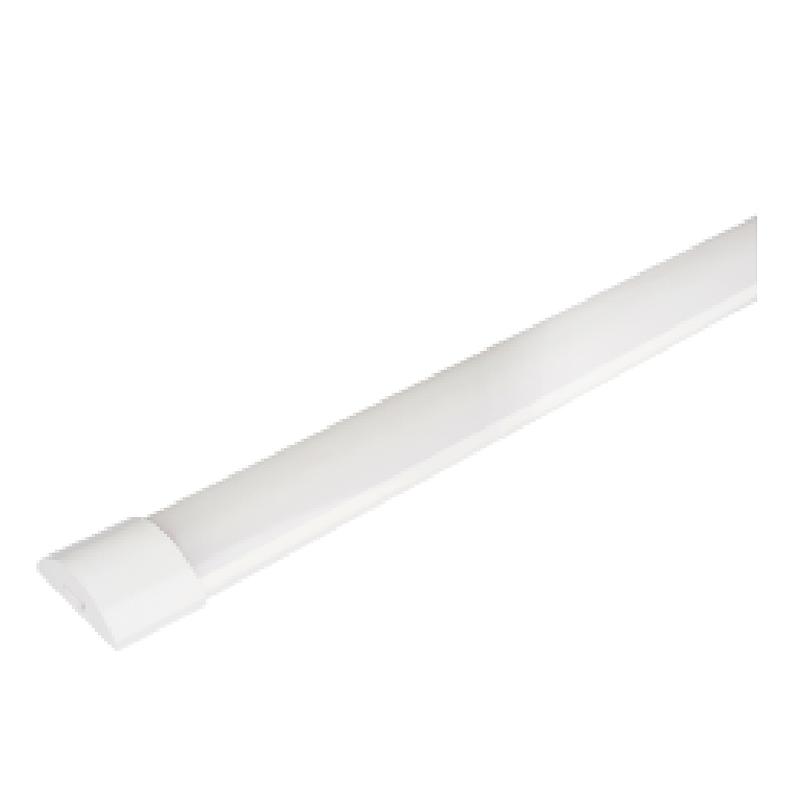
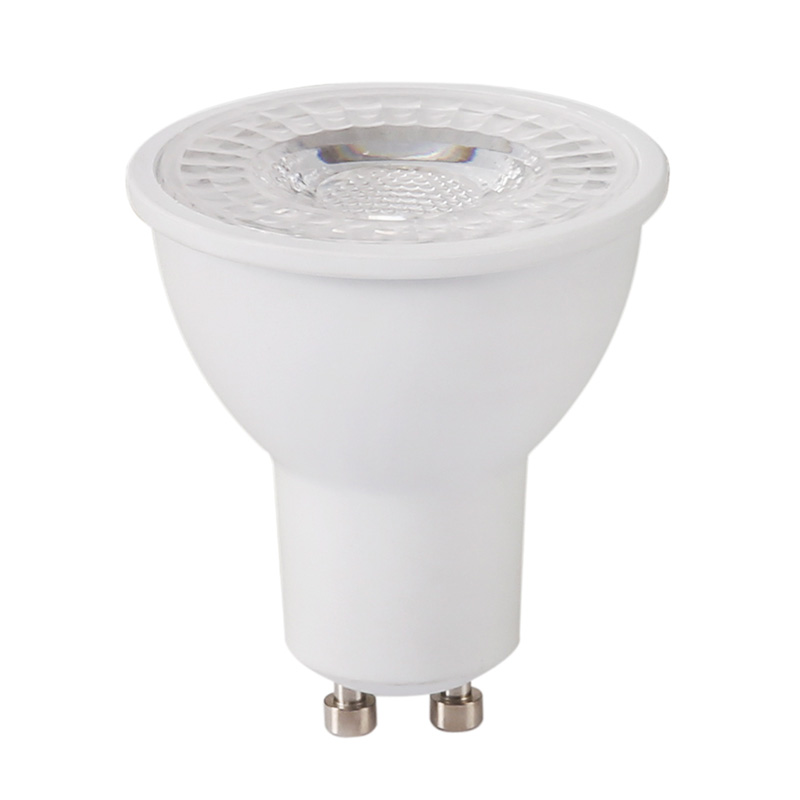
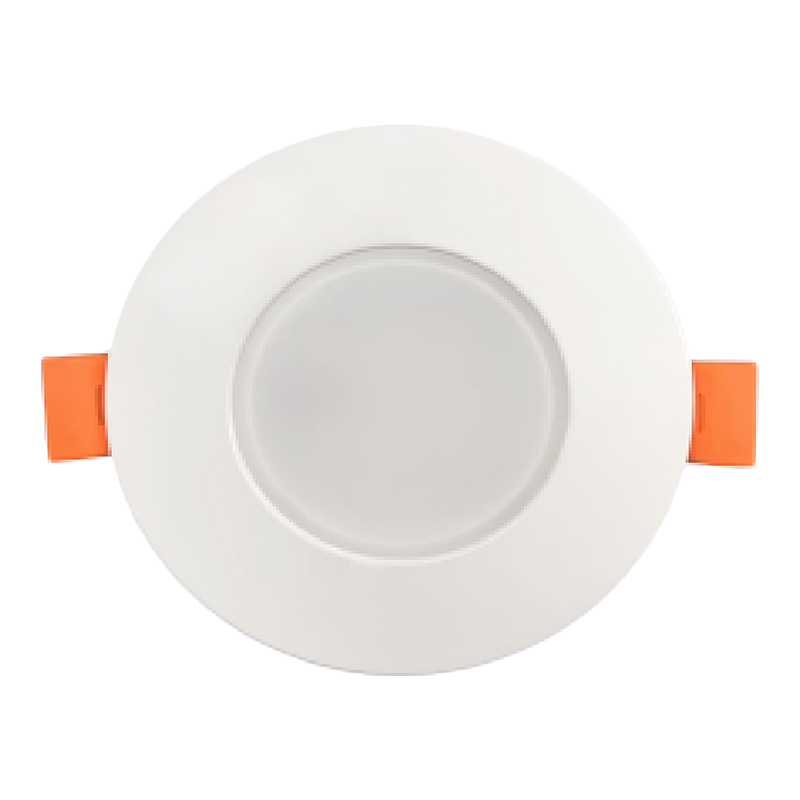
Introduction to LED Ceiling Lights LED ceiling lights have become a popular choice for modern homes,...
Content
In most cases, installing an LED ceiling light without an electrician is a straightforward DIY task that takes 30 to 60 minutes — provided you are replacing an existing ceiling light fixture and the wiring is already in place. You do not need professional training to complete this job safely, but you do need to follow the correct sequence, use the right tools, and — most importantly — cut the power before touching any wiring.
Before You Start: What You Need to Know
This guide covers the most common scenario: swapping an existing ceiling light fixture for a new LED ceiling light in a standard residential setting. It does not cover running new wiring, installing a ceiling light where none previously existed, or working with three-phase commercial electrical systems — those tasks require a licensed electrician.
Before purchasing your LED ceiling light, confirm the following:
- There is an existing ceiling rose, junction box, or mounting bracket at the installation point
- Your home uses standard residential wiring (in the US: 120V AC; in the UK/EU: 220–240V AC)
- The new LED ceiling light's weight does not exceed the rated capacity of your ceiling box — most standard boxes support up to 35 lbs (15.9 kg)
- Local regulations permit homeowner self-installation of light fixtures — most jurisdictions allow this for simple fixture replacement
Tools and Materials You Will Need
- Non-contact voltage tester — essential for confirming power is off before touching wires
- Flathead and Phillips screwdrivers
- Wire strippers (if connecting bare wire ends)
- Electrical tape or wire nuts (usually included with the fixture)
- Step ladder tall enough to reach the ceiling comfortably
- The new LED ceiling light fixture and all included hardware
- A helper (recommended for heavier fixtures)
Step-by-Step Installation Guide
Step 1: Turn Off the Power at the Circuit Breaker
Go to your home's electrical panel and switch off the breaker that controls the room where you are working. Do not rely solely on the wall switch — the switch only interrupts the live wire, but voltage may still be present in the ceiling box depending on your wiring configuration.
After switching off the breaker, use a non-contact voltage tester at the wall switch and near the ceiling fixture to confirm there is no live current. This step is non-negotiable — household current at 120V or 240V can cause serious injury or death.
Step 2: Remove the Existing Light Fixture
With the power confirmed off, remove the existing fixture. The exact method varies by fixture type, but the general process is:
- Remove the light bulbs and any glass covers or shades
- Unscrew the canopy (the decorative plate against the ceiling) to expose the wiring and mounting bracket
- Support the fixture with one hand or have your helper hold it — do not let it hang by the wires
- Unscrew the wire nuts and separate the fixture wires from the ceiling wires
- Remove the old mounting bracket if the new fixture requires a different one
Step 3: Identify Your Ceiling Wires
Once the old fixture is removed, you will see two or three wires coming from the ceiling box. Understanding what each wire does is critical for making safe connections:
| Wire Color (US) | Wire Color (UK/EU) | Function |
|---|---|---|
| Black | Brown | Live / Hot wire — carries current to the fixture |
| White | Blue | Neutral wire — completes the circuit |
| Green or bare copper | Green / Yellow-Green | Ground wire — safety connection to earth |
If your home is older and wiring colors do not match these standards, or if you see more than three wires, stop and consult a licensed electrician before proceeding.
Step 4: Install the New Mounting Bracket
Most LED ceiling lights include a mounting bracket that attaches to the ceiling electrical box. Secure the bracket using the screws provided — do not overtighten, as this can crack plastic components or strip the box threads. Ensure the bracket sits flush and level against the ceiling before proceeding.
If your ceiling box is not rated for the weight of your new fixture, install a fan-rated ceiling box first — these are designed to support fixtures up to 70 lbs (31.7 kg) and provide a more secure anchor point.
Step 5: Connect the Wires
This is the most critical step. Connect the fixture wires to the ceiling wires in the correct order:
- Ground first: Connect the green or bare copper ground wire from the fixture to the ground wire from the ceiling (and to the ground screw on the mounting bracket if present)
- Neutral second: Twist the white (US) or blue (UK) fixture wire together with the corresponding ceiling wire and secure with a wire nut
- Live last: Twist the black (US) or brown (UK) fixture wire together with the corresponding ceiling wire and secure with a wire nut
- Tug gently on each wire nut to confirm the connections are tight and no bare copper is exposed
- Wrap each wire nut connection with electrical tape for additional security if desired
Step 6: Attach the Fixture to the Ceiling
Carefully tuck the connected wires into the ceiling box, then align the LED ceiling light fixture with the mounting bracket. Secure it using the screws or locking mechanism provided. For flush-mount LED panels, this typically involves aligning mounting tabs and turning the fixture to lock it in place. For pendant-style or semi-flush fixtures, screws through the canopy into the bracket are standard.
Confirm the fixture sits flat and level against the ceiling with no gaps between the canopy and the ceiling surface.
Step 7: Restore Power and Test
Return to the electrical panel and switch the breaker back on. Test the light using the wall switch. If the light turns on normally, the installation is complete. If it does not turn on, switch the breaker off again and recheck each wire connection for tightness and correct pairing before restoring power again.
Installing a Flush-Mount LED Panel vs. a Traditional Fixture: Key Differences
Many modern LED ceiling lights are integrated flush-mount panels — a flat disc or square that mounts directly to the ceiling without a separate bulb. These are increasingly popular for their sleek appearance and ease of installation. Here is how they differ from traditional socket-based fixtures:
| Feature | Integrated LED Panel | Traditional Socket Fixture |
|---|---|---|
| Bulb Replacement | Not replaceable — whole unit replaced | Individual bulbs replaceable |
| Installation Time | 15 – 30 minutes | 30 – 60 minutes |
| Lifespan | 25,000 – 50,000 hours | Depends on bulb — typically 15,000–25,000 hours |
| Aesthetic | Slim, modern, minimal | More decorative options available |
| Dimmer Compatibility | Must check driver specs | Depends on bulb type |
| Cost | Lower upfront cost | Higher fixture cost, lower bulb cost |
Common Mistakes to Avoid During Installation
- Skipping the voltage tester: Always verify power is off with a tester — never assume the breaker label is accurate
- Mixing up live and neutral wires: Reversed polarity can cause the fixture to flicker, fail to turn off, or create a shock hazard
- Leaving exposed copper wire: Any bare wire not covered by a wire nut or electrical tape is a short-circuit and fire risk
- Ignoring the weight rating: Overloading a standard ceiling box with a heavy fixture can cause it to pull free from the ceiling
- Using an incompatible dimmer switch: Many LED ceiling lights require a trailing-edge (ELV) dimmer rather than a traditional leading-edge (TRIAC) dimmer — always check the fixture's compatibility list before installing
- Forgetting to check local codes: Some jurisdictions require a permit even for simple fixture replacements — check with your local building authority if unsure
When You Should Call an Electrician Instead
DIY installation is appropriate for straightforward fixture swaps, but there are situations where hiring a licensed electrician is the safer and legally correct choice:
- There is no existing ceiling fixture or wiring at the installation location
- You find more wires than expected, or wiring colors do not match any standard
- The existing wiring appears damaged, corroded, or uses old cloth-covered insulation (common in homes built before 1960)
- You want to add a ceiling light where none previously existed
- The installation is in a bathroom, outdoor area, or other location subject to moisture — these environments require specialized fittings and wiring methods
- Your local regulations require a licensed electrician for all electrical work, regardless of complexit
Installing an LED ceiling light without an electrician is well within reach for most homeowners — the process involves seven clear steps, a handful of basic tools, and careful attention to wire identification and power safety. The single most important rule is to always verify the power is off with a non-contact voltage tester before touching any wiring. Follow the steps in order, match wire colors correctly, and your new LED ceiling light will be up and running in under an hour — with no electrician's bill required.
