
 English
 中文简体
中文简体 عربى
عربى Español
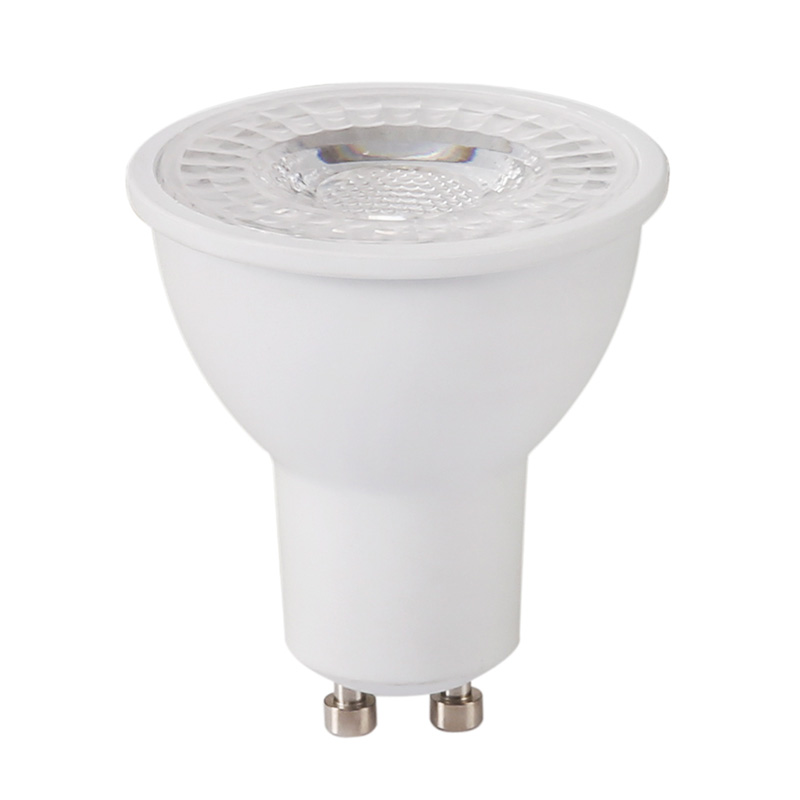
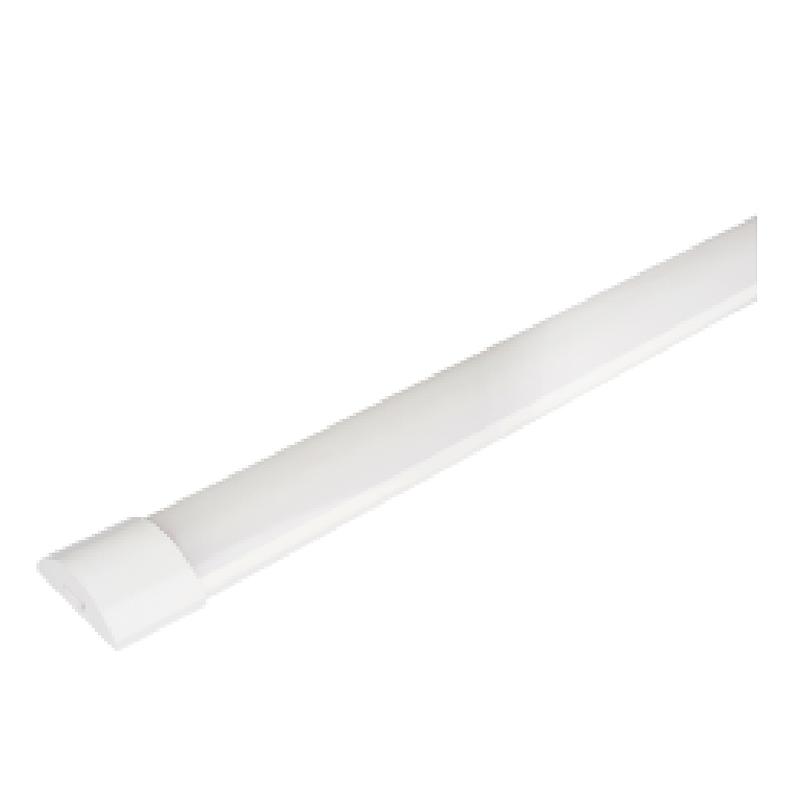
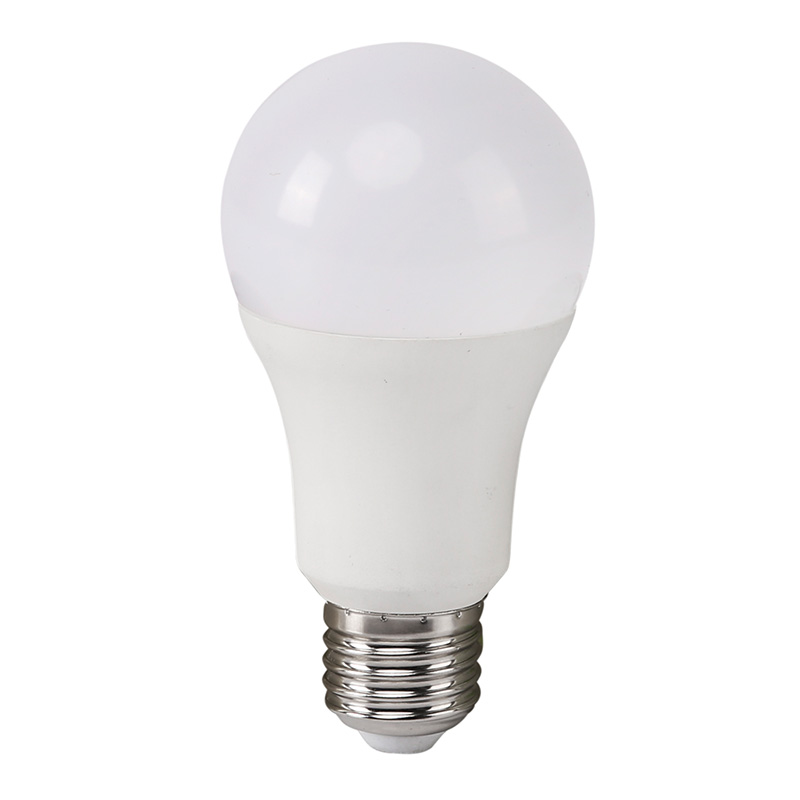
Introduction to LED Ceiling Lights LED ceiling lights have become a popular choice for modern homes,...
Content
- 1 Understanding Color Temperature: What the Numbers Actually Mean
- 2 How Each Color Temperature Affects the Look and Feel of a Room
- 3 Room-by-Room Recommendations: Which Color Temperature to Choose
- 4 The Science Behind Color Temperature and Human Health
- 5 Energy Efficiency: Does Color Temperature Affect Power Consumption?
- 6 Warm White vs. Cool White: A Direct Comparison
- 7 When to Choose Tunable White LED Ceiling Lights Instead
The core difference is straightforward: warm white LED ceiling lights (2700K–3000K) emit a soft, yellowish glow that creates a cozy and relaxed atmosphere, while cool white LED ceiling lights (4000K–6500K) produce a bright, bluish-white light that promotes alertness and visibility. The right choice depends entirely on the room's function, the mood you want to create, and how the light will interact with your interior colors and materials.
Understanding Color Temperature: What the Numbers Actually Mean
Color temperature is measured in Kelvins (K) and describes the hue of light emitted by a source — not how physically hot the bulb gets. The scale runs from warm (low Kelvin) to cool (high Kelvin), mimicking the natural progression of daylight from sunrise to midday.
| Color Temperature | Range (Kelvin) | Light Appearance | Natural Equivalent |
|---|---|---|---|
| Warm White | 2700K – 3000K | Soft yellow-white | Sunrise / incandescent bulb |
| Neutral White | 3500K – 4000K | Clean, balanced white | Morning daylight |
| Cool White | 5000K – 6500K | Bright blue-white | Midday sunlight / overcast sky |
Most LED ceiling light packaging displays the Kelvin value prominently. If it only shows a label like "warm white" or "daylight," check the spec sheet — "daylight" typically means 5000K–6500K, which is significantly cooler and brighter than what many buyers expect.
How Each Color Temperature Affects the Look and Feel of a Room
Color temperature does more than change the hue of light — it fundamentally alters how colors, textures, and surfaces appear in a space. This is measured by the Color Rendering Index (CRI), which rates how accurately a light source reveals the true colors of objects compared to natural sunlight (CRI 100).
Warm White (2700K–3000K)
- Enhances warm tones — wood, terracotta, cream, and gold finishes look richer and more inviting
- Can make cool colors like gray or blue appear slightly washed out or dull
- Creates shadow and depth, giving rooms a more intimate, three-dimensional feel
- Skin tones appear more flattering and natural — a key reason warm white dominates in residential settings
Cool White (4000K–6500K)
- Enhances cool tones — white walls, chrome, stainless steel, and glass surfaces appear crisper and cleaner
- Makes spaces feel larger, more open, and highly functional
- Can make warm-toned interiors feel sterile or unwelcoming if used without careful planning
- Improves visual acuity and detail recognition — important for task-heavy environments
Room-by-Room Recommendations: Which Color Temperature to Choose
The best color temperature for an LED ceiling light is determined primarily by how the room is used. Here is a practical room-by-room breakdown:
| Room | Recommended Range | Reason |
|---|---|---|
| Bedroom | 2700K – 3000K | Promotes relaxation and supports melatonin production for better sleep |
| Living Room | 2700K – 3500K | Creates a warm, welcoming atmosphere for relaxation and socializing |
| Kitchen | 3500K – 5000K | Supports food preparation tasks; neutral to cool light improves visibility |
| Bathroom | 3000K – 4000K | Balances flattering skin tones with enough clarity for grooming tasks |
| Home Office / Study | 4000K – 5000K | Boosts concentration, reduces eye strain during reading and screen work |
| Garage / Workshop | 5000K – 6500K | Maximum brightness and color clarity for detailed technical work |
| Children's Room | 3000K – 4000K | Versatile enough for play and homework; gentle enough for wind-down time |
| Dining Room | 2700K – 3000K | Warm light makes food look more appetizing and enhances the dining experience |
The Science Behind Color Temperature and Human Health
Color temperature has measurable effects on human biology, not just aesthetics. Research published in the Journal of Biological Rhythms and other peer-reviewed sources has established a clear link between light color and the body's circadian rhythm — the internal clock that regulates sleep, alertness, and hormone production.
- Cool white light (5000K+) suppresses melatonin production by stimulating melanopsin receptors in the eye — the same mechanism triggered by blue sky daylight. Exposure in the evening can delay sleep onset by up to 90 minutes, according to Harvard Medical School research
- Warm white light (2700K–3000K) has minimal impact on melatonin and is recommended by sleep specialists for evening use in bedrooms and living areas
- During daytime working hours, cool or neutral white light (4000K–5000K) has been shown to improve cognitive performance, reaction time, and mood in office and school environments
This is why many designers recommend tunable white LED ceiling lights — fixtures that allow you to shift between 2700K and 6500K throughout the day to support natural circadian rhythms.
Energy Efficiency: Does Color Temperature Affect Power Consumption?
Color temperature itself does not directly affect energy consumption — a 12W warm white LED uses the same power as a 12W cool white LED. However, there is a practical consideration: because cool white light appears brighter to the human eye (due to its alignment with peak human visual sensitivity), you may be able to use a lower-wattage cool white fixture to achieve the same perceived brightness as a higher-wattage warm white one.
For reference, the general lumen-to-room-size guideline applies regardless of color temperature:
- Bedrooms and living rooms: 10–20 lumens per square foot
- Kitchens and bathrooms: 70–80 lumens per square foot
- Home offices and study areas: 50–75 lumens per square foot
- Garages and workshops: 80–100 lumens per square foot
Warm White vs. Cool White: A Direct Comparison
| Factor | Warm White (2700K–3000K) | Cool White (4000K–6500K) |
|---|---|---|
| Mood Effect | Relaxing, cozy, intimate | Energizing, alert, focused |
| Best Room Type | Bedroom, living room, dining room | Kitchen, office, garage, bathroom |
| Interior Style Match | Traditional, rustic, Scandinavian | Modern, industrial, minimalist |
| Color Enhancement | Warm tones (wood, gold, cream) | Cool tones (white, chrome, glass) |
| Sleep Impact | Minimal melatonin suppression | Significant melatonin suppression |
| Perceived Brightness | Softer, lower perceived brightness | Sharper, higher perceived brightness |
| Task Performance | Lower detail visibility | Higher detail visibility |
| Skin Tone Rendering | Very flattering | Can appear harsh |
When to Choose Tunable White LED Ceiling Lights Instead
If you find it difficult to commit to a single color temperature — or if a room serves multiple functions throughout the day — tunable white LED ceiling lights are worth serious consideration. These fixtures allow you to adjust the color temperature via a remote control, wall switch, or smart home app, typically across a range of 2700K to 6500K.
Tunable white lights are especially well-suited for:
- Open-plan living spaces that function as both kitchen and lounge areas
- Home offices where you want energizing cool light during work hours and relaxing warm light in the evening
- Children's bedrooms that transition from homework lighting to sleep lighting
- People with circadian rhythm sensitivities, shift workers, or anyone prioritizing sleep hygiene
Tunable white LED ceiling lights typically cost 20% to 50% more than fixed-color equivalents, but the flexibility they offer can eliminate the need to purchase multiple fixtures for a single room
Warm white and cool white LED ceiling lights are not interchangeable — they serve fundamentally different purposes. Warm white (2700K–3000K) belongs in spaces built for rest and comfort; cool white (4000K–6500K) belongs where visibility, focus, and task performance matter most. For rooms that do both, a tunable white fixture gives you the best of both worlds. Getting the color temperature right is one of the simplest and most impactful decisions you can make in any lighting project — and one that affects not just how a room looks, but how you feel in it every day.
