
 English
 中文简体
中文简体 عربى
عربى Español
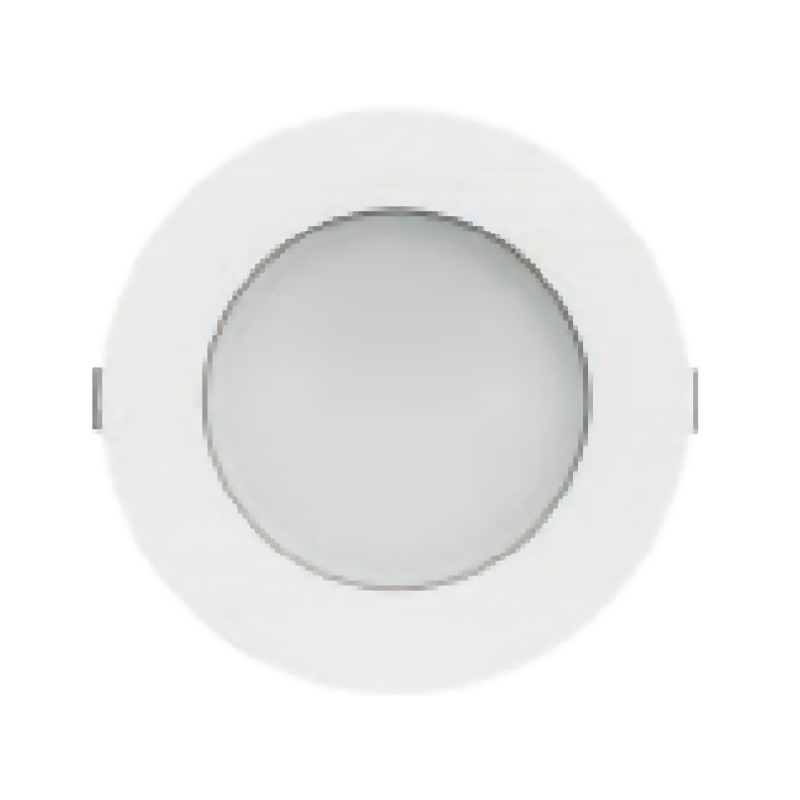
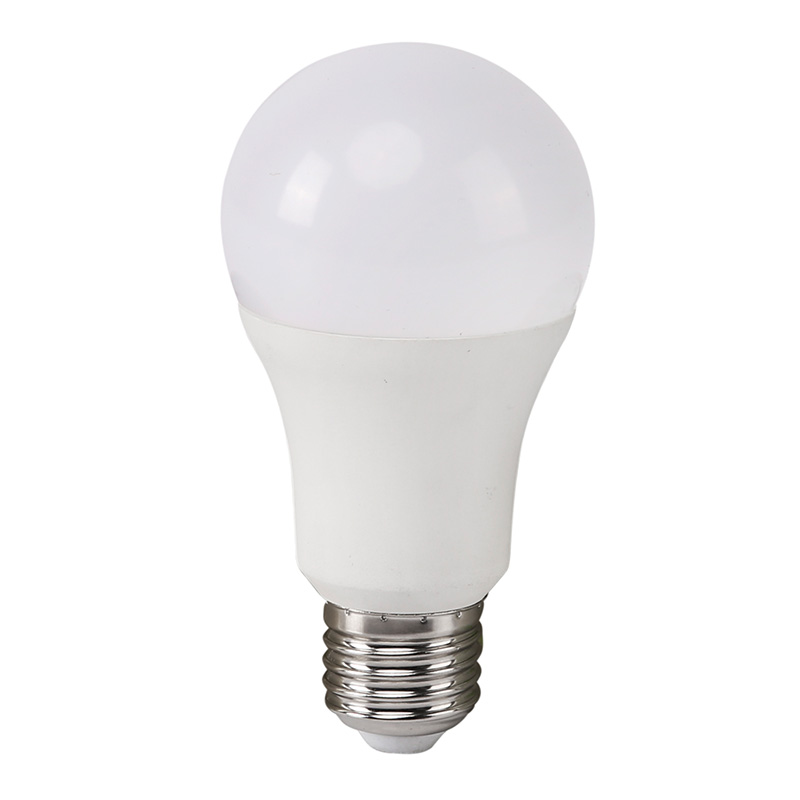
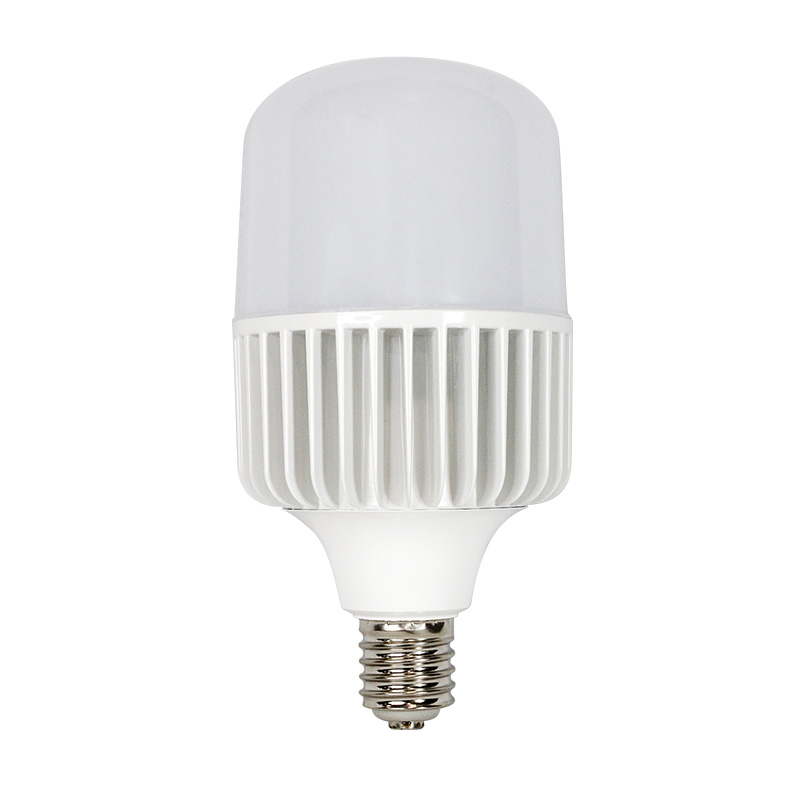
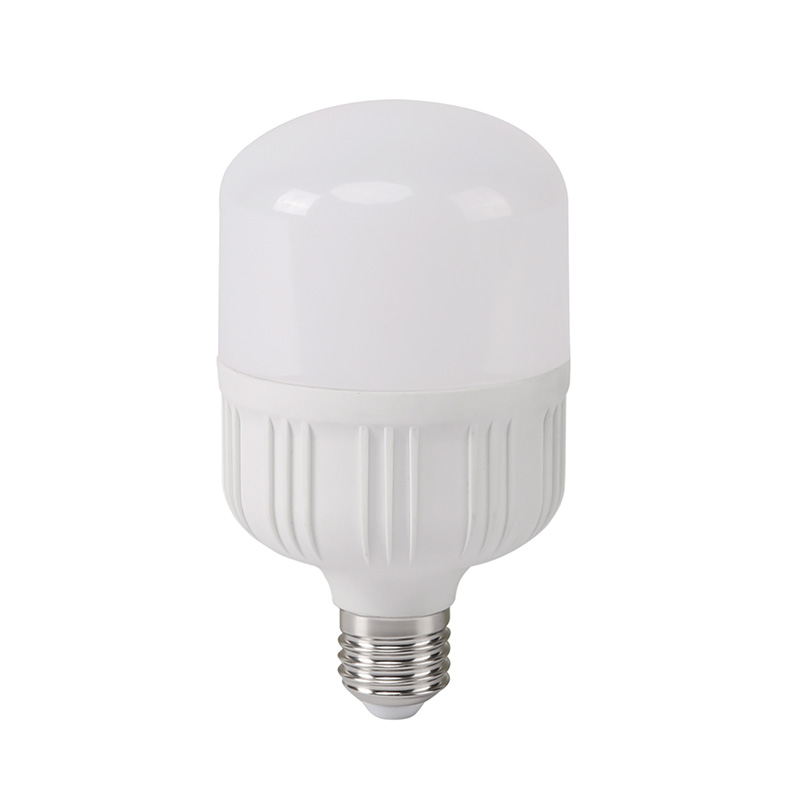
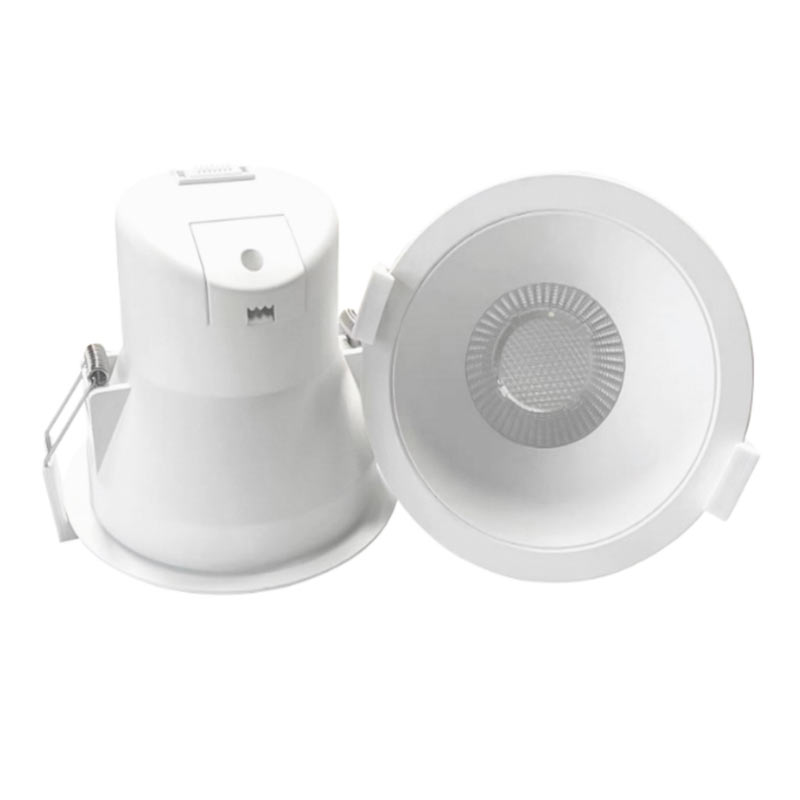
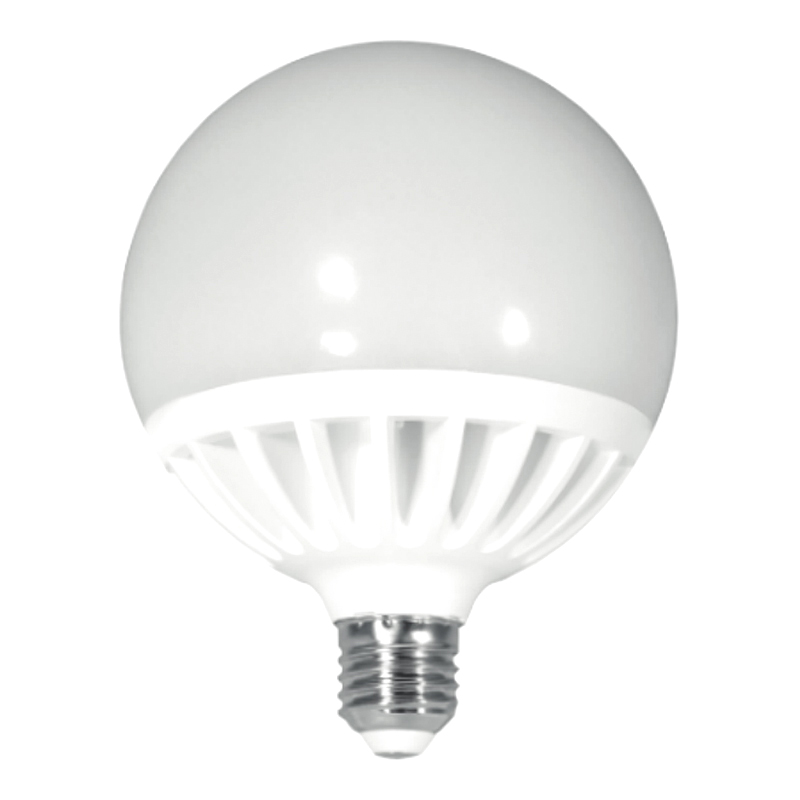
Introduction to LED Ceiling Lights LED ceiling lights have become a popular choice for modern homes,...
Content
- 1 High Energy Efficiency Compared to Fluorescent Tubes
- 2 Longer Lifespan Reduces Replacement Frequency
- 3 Reduced Power Consumption in Office Environments
- 4 Comparing LED T Bulbs with Traditional Fluorescent Tubes
- 5
- 6 Additional Benefits Supporting Energy Savings
- 7 FAQ – Energy Savings with LED T Bulbs
- 8 References
Energy efficiency is one of the most important considerations when upgrading lighting in homes and offices. LED T bulbs have become increasingly popular due to their low energy consumption, long lifespan, and environmental benefits. Unlike traditional fluorescent or incandescent lighting, LED T bulbs use advanced semiconductor technology to convert electricity into light more efficiently, reducing electricity bills and carbon footprint.
By replacing conventional lighting with LED T bulbs, households and workplaces can reduce energy costs by 50–70% while maintaining high-quality, uniform illumination suitable for daily activities or professional environments.
High Energy Efficiency Compared to Fluorescent Tubes
Traditional fluorescent T8 or T12 tubes consume more electricity for the same light output, largely due to heat loss and inefficient energy conversion. LED T bulbs, on the other hand, provide:
- Lower wattage per lumen output, meaning the same brightness is achieved using less electricity
- Minimal heat generation, reducing wasted energy and the load on air conditioning systems
- Directional light emission, delivering light where it’s needed without losses in all directions
This high efficiency not only reduces energy bills but also contributes to a more comfortable environment, as spaces remain cooler under LED illumination.
Longer Lifespan Reduces Replacement Frequency
One of the hidden energy and cost savings from LED T bulbs is their extended service life. While fluorescent tubes typically last 10,000–15,000 hours, LED T bulbs can last 50,000 hours or more.
Benefits include:
- Fewer replacements, reducing labor and material costs in offices or large buildings
- Lower manufacturing and transportation energy footprint, as fewer bulbs are produced and shipped over time
- Sustained energy efficiency, since older fluorescent tubes can degrade in brightness, leading to higher energy use to maintain illumination
This means that energy savings are not just in electricity bills, but also in the broader lifecycle impact of lighting systems.
Reduced Power Consumption in Office Environments
In offices, where lighting is often used 10+ hours per day, LED T bulbs can make a significant difference:
- A typical 18W LED T8 bulb can replace a 36W fluorescent tube while delivering equivalent brightness.
- Large office buildings with hundreds of fixtures can reduce overall electricity usage dramatically.
- Lower power consumption also reduces peak load on electrical grids, contributing to sustainable energy management.
For home applications, even smaller reductions per fixture add up over months and years, creating noticeable energy and cost savings.
Comparing LED T Bulbs with Traditional Fluorescent Tubes
| Feature | Fluorescent Tube | LED T Bulb |
|---|---|---|
| Power Consumption | 36W | 18W (for equivalent brightness) |
| Lifespan | 10,000–15,000 hours | 50,000+ hours |
| Light Output Efficiency | Moderate | High (lumens per watt) |
| Heat Generation | High | Low |
| Energy Cost per Year (avg. usage) | Higher | 50–70% lower |
| Environmental Impact | Contains mercury | Mercury-free, recyclable |
From the table, it is evident that LED T bulbs provide superior energy efficiency, longer lifespan, and lower operational costs compared to fluorescent alternatives.
Additional Benefits Supporting Energy Savings
- Instant On/Off Performance – No warm-up time ensures full brightness immediately, unlike fluorescents which waste energy warming up.
- Dimmable Options – LED T bulbs can be integrated with dimmers or smart lighting systems to reduce energy use further during off-peak hours.
- Compatibility with Motion Sensors – In offices or shared spaces, motion-controlled LED T bulbs ensure lighting is used only when needed.
- Eco-Friendly Design – Lower power consumption reduces greenhouse gas emissions, aligning with energy-saving and sustainability goals.
These features make LED T bulbs ideal for both residential and commercial applications, enhancing comfort while reducing energy bills.
FAQ – Energy Savings with LED T Bulbs
Q1: Can LED T bulbs really cut electricity bills by 50%?
Yes, by replacing traditional fluorescent tubes with lower-wattage LED T bulbs while maintaining equivalent brightness, energy consumption can be reduced by 50–70%.
Q2: Are there any additional costs for installation?
Most LED T bulbs are compatible with standard fixtures, requiring minimal changes. Some models may require bypassing ballasts.
Q3: Do LED T bulbs provide the same quality of light as fluorescent tubes?
Yes, modern LED T bulbs offer high CRI (Color Rendering Index), uniform brightness, and flicker-free performance.
Q4: How long before the energy savings offset the cost of LED bulbs?
Typically within 6–12 months, depending on usage and the number of bulbs replaced.
References
- U.S. Department of Energy – LED Lighting Technology and Energy Savings
- Energy Star – Benefits of LED T8 Tubes in Commercial Buildings
- Lighting Research Center – Comparative Study of LED vs. Fluorescent Tube Efficiency
