
 English
 中文简体
中文简体 عربى
عربى Español
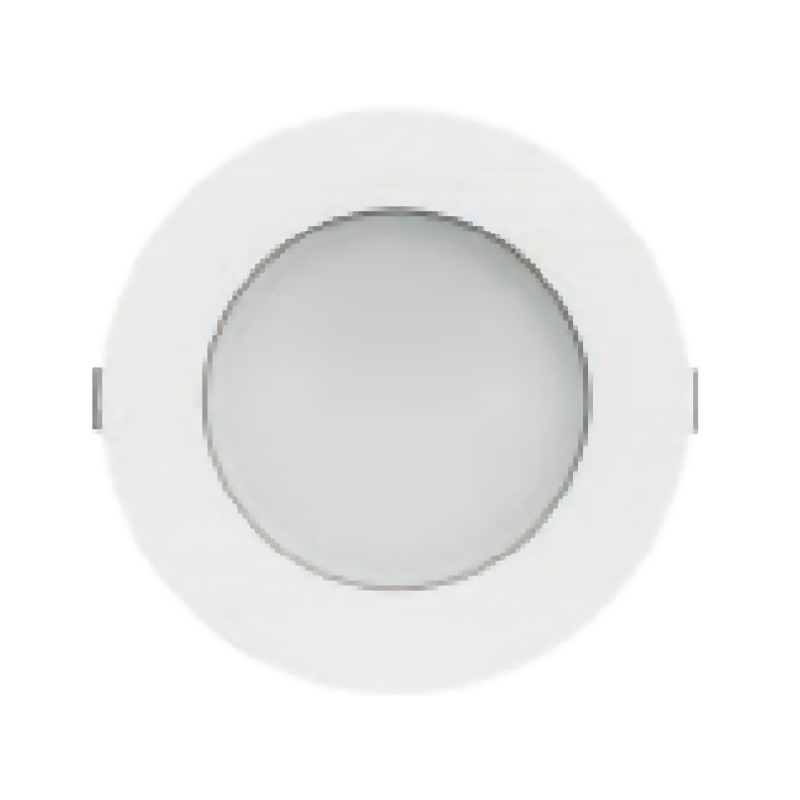
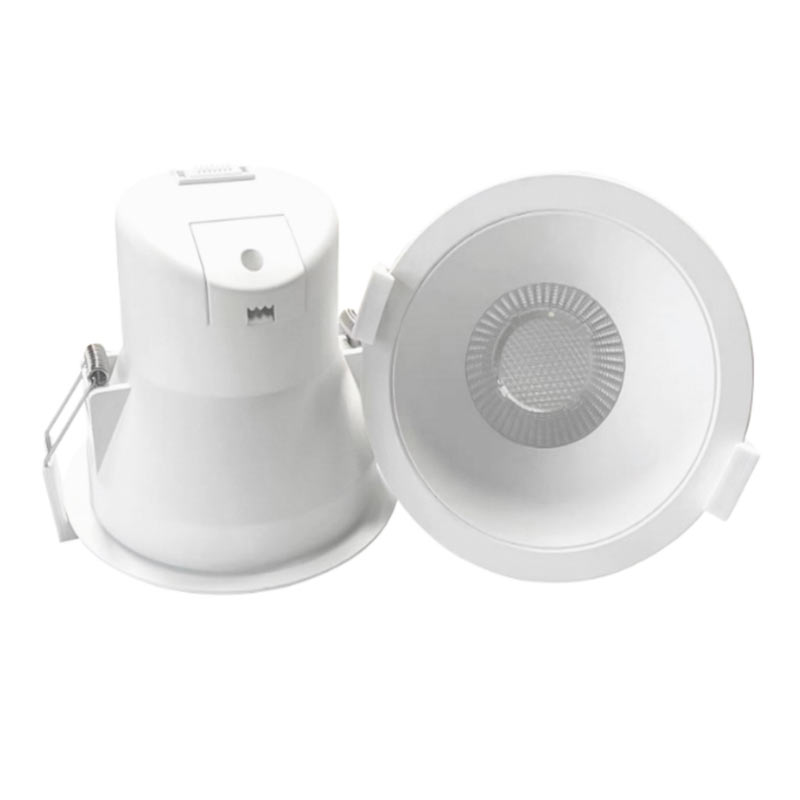
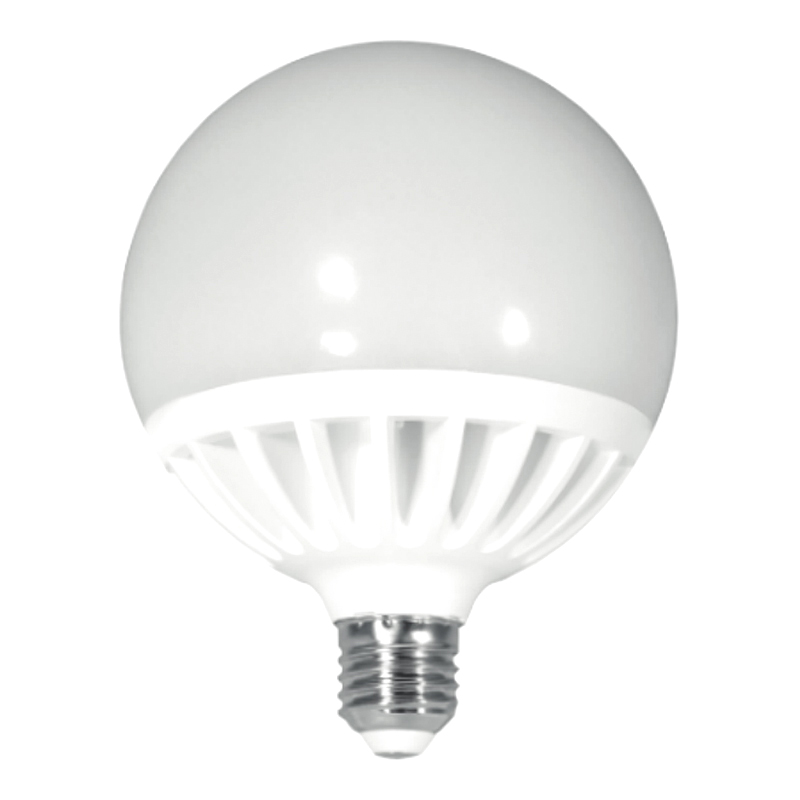
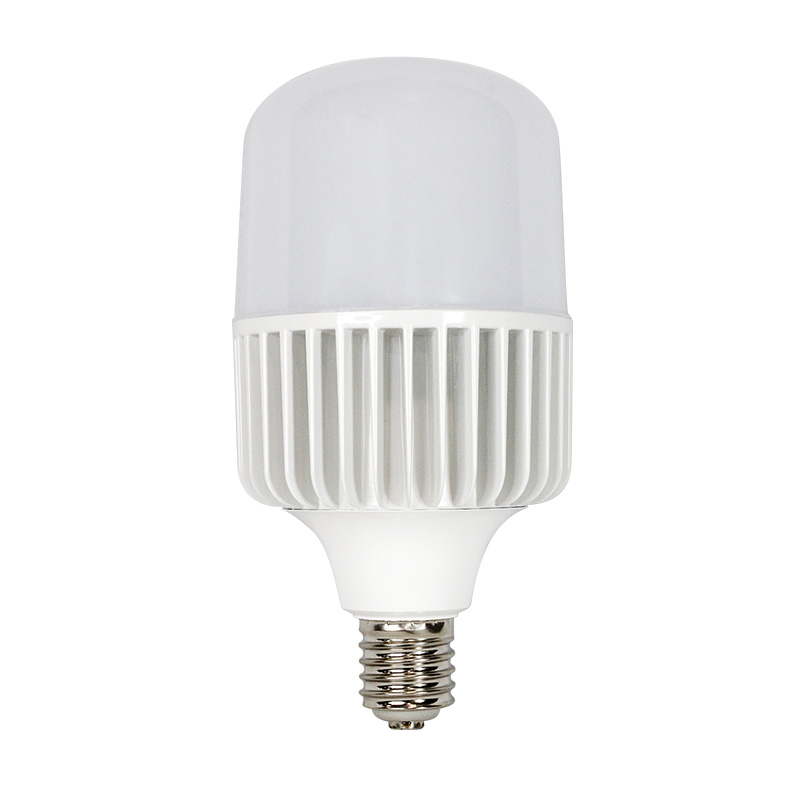
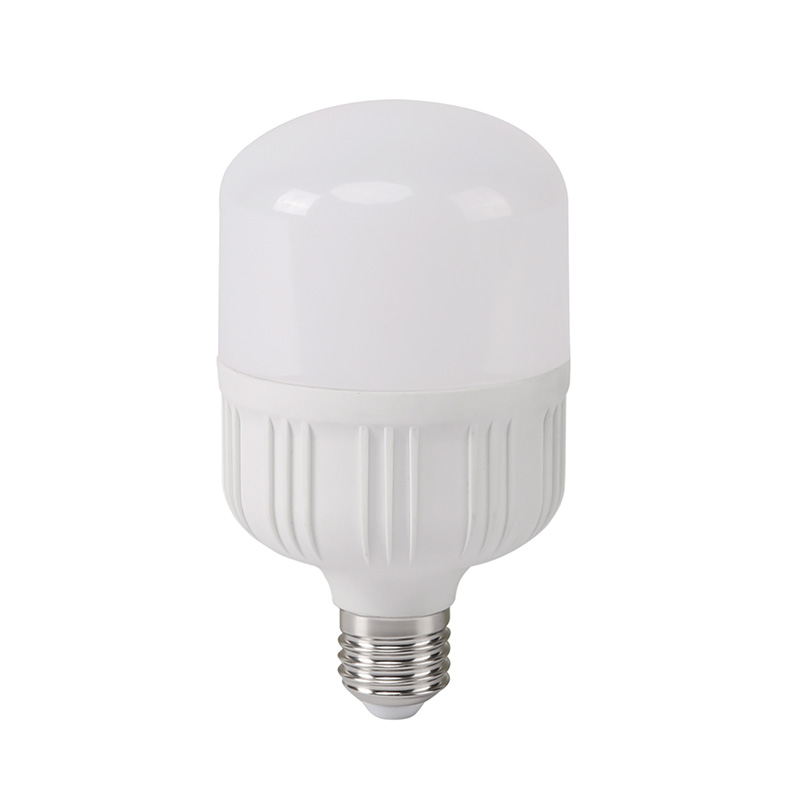
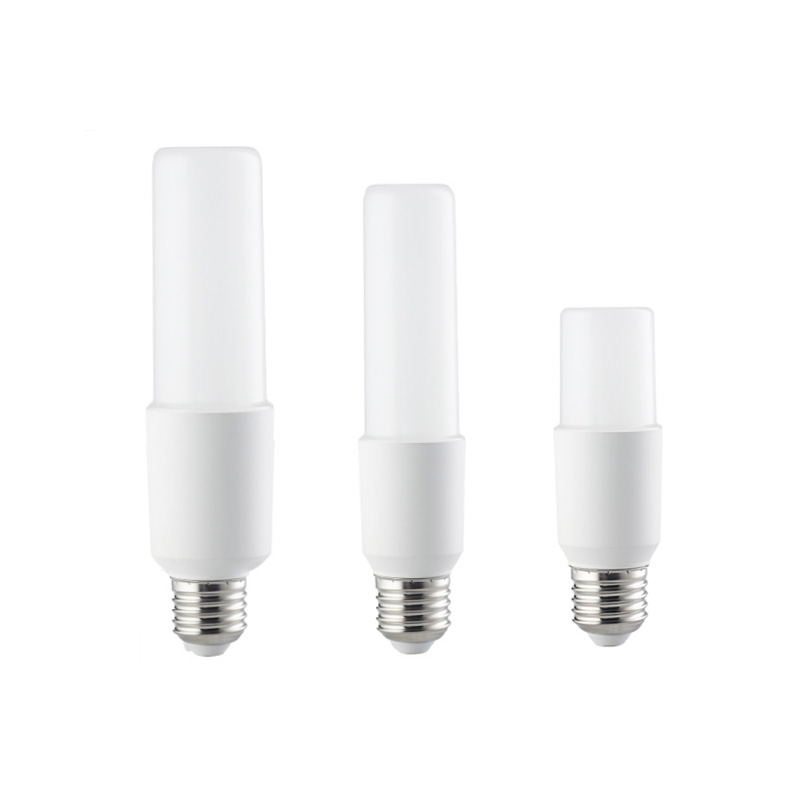
Introduction to LED Ceiling Lights LED ceiling lights have become a popular choice for modern homes,...
Content
Introduction: Understanding LED Ceiling Lights
LED ceiling lights have become a cornerstone of modern lighting solutions in both residential and commercial environments. Unlike traditional incandescent or fluorescent bulbs, LEDs (Light Emitting Diodes) consume significantly less energy while delivering brighter, more consistent illumination. This energy efficiency translates into lower electricity bills and a reduced environmental footprint, making them an essential choice for sustainable building practices.
The popularity of LED ceiling lights is not only due to energy savings but also because of their adaptability and longevity. They come in various designs, color temperatures, and sizes, allowing homeowners to create comfortable living spaces while businesses can enhance work environments. Moreover, LED ceiling lights produce very little heat, which helps maintain indoor temperatures and reduces the load on air conditioning systems—a critical factor in commercial buildings where lighting often operates for extended hours.
Adopting LED ceiling lights in homes and offices is not just about saving electricity. It also means investing in long-term sustainability. These lights have an extended operational life, often exceeding 50,000 hours, which reduces the frequency of replacements. Fewer replacements mean less manufacturing energy and waste, further contributing to energy efficiency and environmental conservation.
Key Energy-Efficient Features of LED Ceiling Lights
One of the most significant benefits of LED ceiling lights is their superior luminous efficacy. Luminous efficacy refers to the amount of visible light produced per unit of power consumed. While traditional incandescent bulbs have an efficacy of around 10–20 lumens per watt, LEDs typically offer 80–120 lumens per watt or more. This means you get more brightness with less electricity, resulting in substantial energy savings over time.
LEDs are also highly compatible with modern energy-saving technologies such as dimmers, motion sensors, timers, and smart home systems. These integrations ensure that lights are only active when needed, further minimizing energy consumption. In addition, LEDs emit minimal heat compared to incandescent bulbs, which waste about 90% of energy as heat. By reducing heat output, LED ceiling lights indirectly lower cooling costs, particularly in large commercial spaces.
| Feature | LED Ceiling Light | Traditional Bulb | Energy Impact |
|---|---|---|---|
| Lifespan | 50,000+ hours | 1,000–2,000 hours | Fewer replacements, less production energy |
| Energy Consumption | 10–20W per fixture | 60–100W per fixture | Up to 80% energy savings |
| Heat Emission | Low | High | Reduced cooling load |
| Luminous Efficiency | 80–120 lm/W | 10–20 lm/W | Brighter light with less power |
Practical Applications in Homes and Businesses
In residential settings, LED ceiling lights are ideal for living rooms, bedrooms, kitchens, and hallways. Homeowners can select dimmable or color-adjustable LEDs to customize lighting intensity and ambiance without increasing electricity use. Smart home integration takes energy savings even further by allowing lights to be scheduled, turned off automatically, or triggered by motion detection, ensuring that no energy is wasted.
In commercial environments such as offices, retail stores, and factories, LED ceiling lights can dramatically reduce operational costs. Businesses that operate lighting for long periods benefit from lower electricity bills and less frequent bulb replacements. Additionally, uniform and high-quality illumination improves workplace productivity and customer experience. Many companies also take advantage of energy efficiency rebates and government incentives when upgrading to LED lighting, making the investment even more cost-effective.
Switching to LED ceiling lights offers more than immediate energy savings—it represents a long-term commitment to efficiency, cost reduction, and environmental responsibility. Their combination of low energy consumption, reduced heat output, long lifespan, and adaptability makes them suitable for virtually any residential or commercial application. By installing LED ceiling lights, homeowners and business operators not only save money on electricity and maintenance costs but also contribute to a greener, more sustainable future.
FAQ
Q1: Are LED ceiling lights compatible with dimmer switches?
Yes, many LED ceiling lights are dimmable, but it is important to use LED-compatible dimmers to avoid flickering or damage.
Q2: How long do LED ceiling lights typically last?
LED ceiling lights generally last between 25,000 and 50,000 hours, far exceeding the lifespan of incandescent or fluorescent bulbs.
Q3: Do LED ceiling lights produce heat?
LEDs produce significantly less heat than traditional bulbs, which helps reduce cooling costs in homes and commercial buildings.
Q4: Can commercial spaces save money immediately after switching to LEDs?
Yes, most businesses notice reduced electricity bills immediately due to lower energy consumption and decreased HVAC loads.
Q5: Are LED ceiling lights environmentally friendly?
Absolutely. They consume less electricity, last longer, and contain no hazardous materials like mercury, making them safer for the environment.
