
 English
 中文简体
 عربى
 Español

Introduction to LED Ceiling Lights LED ceiling lights have become a popular choice for modern homes,...
Content
- 1 What Makes Bathroom Hanging Lights Different From Other Pendants
- 2 Height and Placement Rules That Actually Work
- 3 Choosing the Bulb, Color Temperature and Rating
- 4 Layer the Pendant With the Rest of the Room
- 5 Dimming and Sensors: Small Features, Daily Comfort
- 6 Materials, Finishes and IP Ratings for Humid Rooms
- 7 Ordering Bathroom Hanging Lights in Volume
- 8 Five Mistakes We See Most Often
Bathroom hanging lights are a small decision with an outsized effect. One pendant can pull a vanity together, a pair can frame a mirror, and a low globe can turn a freestanding tub into the calmest corner of the house.
After 13 years of exporting LED lighting to brands, importers and wholesalers across Europe, the Americas and Asia-Pacific, we have watched enough bathroom projects to know where pendants go wrong. It is rarely the frame. It is the height, the bulb, or a fixture that was never meant to live in a damp room. What follows is the order in which those questions usually come up.
What Makes Bathroom Hanging Lights Different From Other Pendants
A pendant over a dining table and a pendant over a vanity may look identical on a catalogue page, but they work in very different conditions.
- Moisture: steam condenses on cool metal, exposed lamp surfaces and sockets far more often than it does in a dry room.
- Ratings: fixtures and bulbs placed in a damp or wet location need to be rated for it, and the closer they sit to a shower or tub, the stricter that requirement becomes.
- Lower ceilings: bathroom ceilings are often 2.4 m or less, so a pendant hangs closer to eye level, and closer to splashing water, than it would in a hallway.
- Visible lamps: most bathroom pendants are open, which makes the bulb part of the design rather than a hidden component.
That last point is the one buyers underestimate. In an open pendant the shape, the finish and the color temperature of the lamp are all visible, so choosing the bulb is a design decision, not an afterthought.
Height and Placement Rules That Actually Work
Over a vanity or mirror
Hang the pendant so the bottom of the fixture sits roughly 30 to 36 inches (76 to 91 cm) above the countertop, which usually lands around 72 to 80 inches from the floor. If two pendants flank a mirror, leave 4 to 6 inches of clearance between the fixture edge and the mirror frame so the light is not lost behind it. For a single pendant, center it on the basin rather than on the whole vanity.
Width matters too. A common rule is to keep each fixture to about one third of the vanity width. On a 60-inch vanity, two 10-inch pendants read as balanced, while a single 20-inch pendant can dominate a small room.
Over a freestanding tub
A pendant over a tub typically hangs 30 to 36 inches above the rim, but never lower than 7.5 feet from the floor in a walking path. Keeping the fixture at least 3 feet from the shower opening reduces the amount of direct spray it has to tolerate.
Powder rooms and narrow bathrooms
In a small powder room with a single ceiling point, a compact pendant 6 to 8 inches wide with a warm, diffuse lamp gives more character than a flush light without crowding the space.
Choosing the Bulb, Color Temperature and Rating
Once the height is set, the lamp does most of the remaining work. For a bathroom, 2700K to 3000K keeps skin tones natural and avoids the grey, clinical feeling that 5000K can create in a fully tiled room. A CRI of 90 or above on a vanity pendant is worth paying for, because low-CRI lamps make makeup and shaving harder than they need to be.
| Bulb family | Typical base | Where it works best |
|---|---|---|
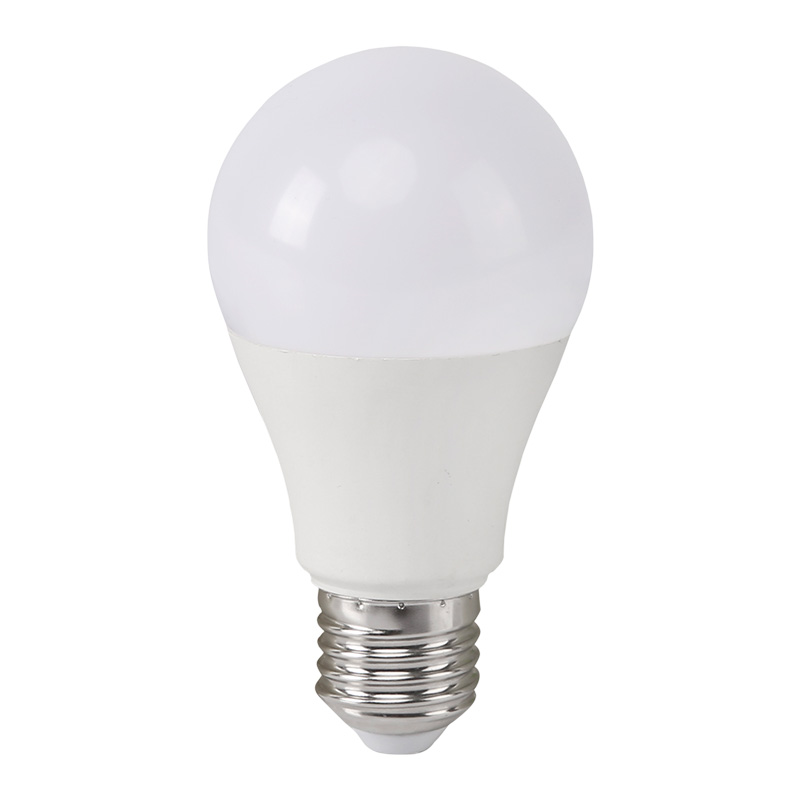
| A60 LED bulb | E27 | Open pendants above a vanity mirror |
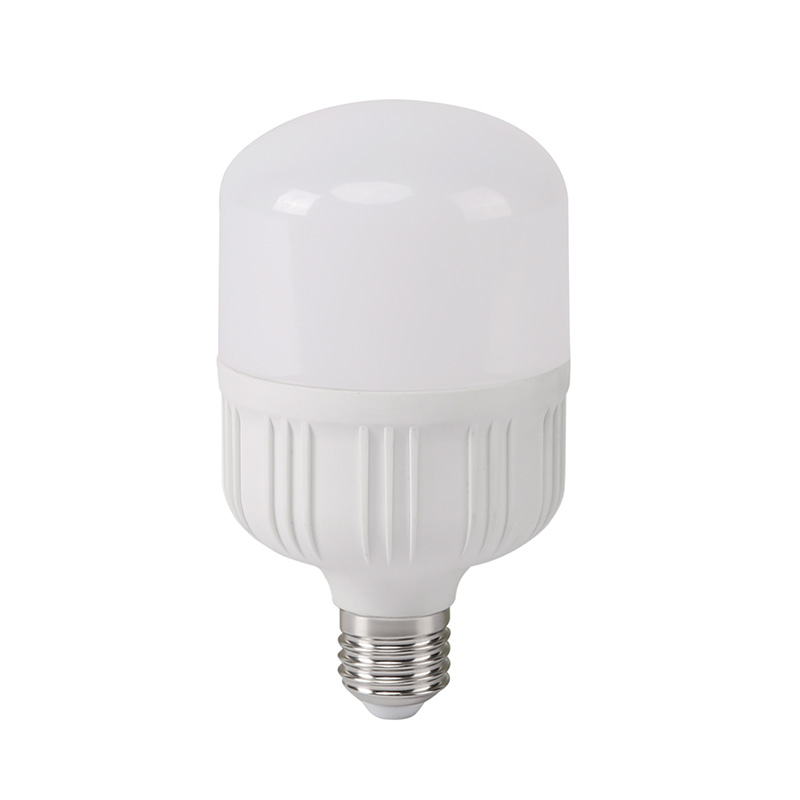
| T-series LED bulb | E27 / E40 | Slim cages and taller pendant frames |
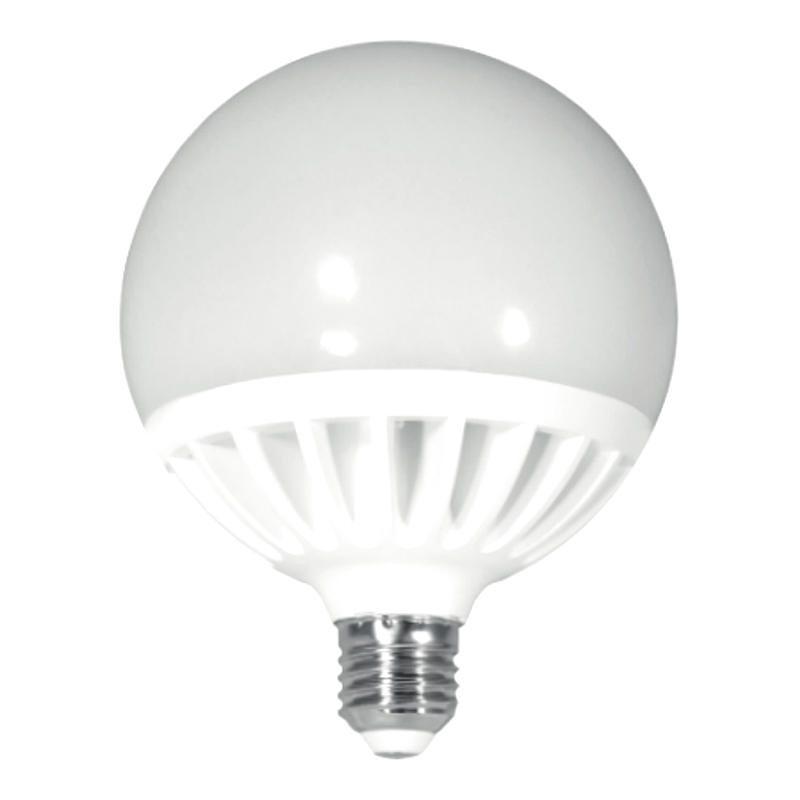
| G95 globe | E27 | Globe pendants over a freestanding tub |
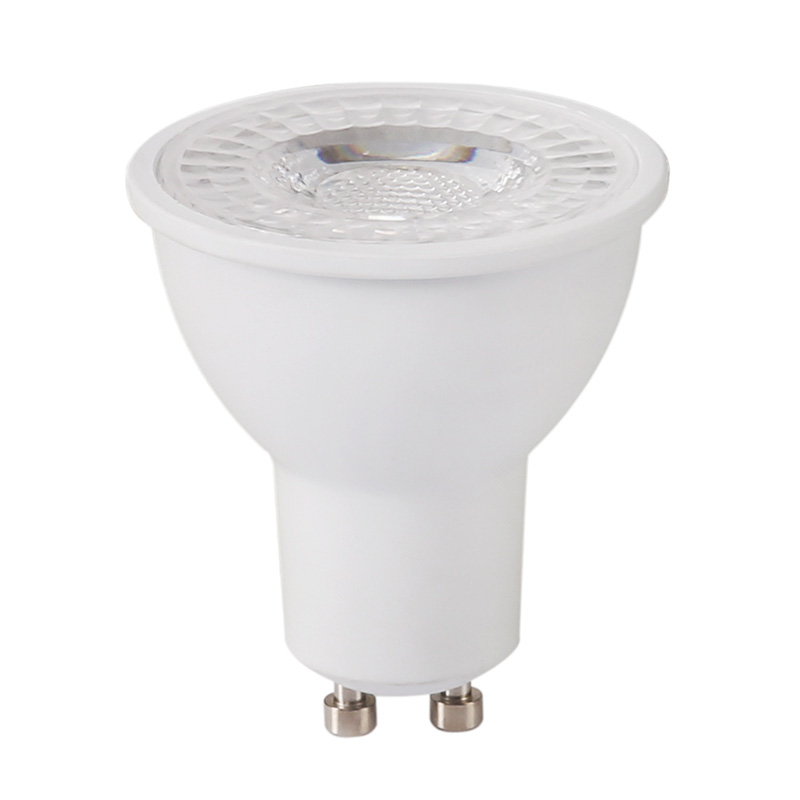
| GU10 or AR111 spotlight | GU10 / AR111 | Directional accent light near a mirror or niche |
| Sensor LED bulb | E27 | Powder rooms and guest bathrooms used briefly |
Layer the Pendant With the Rest of the Room
A hanging light rarely carries a bathroom on its own. The usual combination is a pendant for character and task light at the mirror, a recessed or ceiling light for general illumination, and a small wall or mirror light that removes shadows from the front of the face.
In a room with a low ceiling, a shallow LED batten or downlight keeps the ceiling visually quiet so the pendant stays the focal point. If you are planning that layer now, our guide to choosing and installing LED downlights covers cut-out sizes, spacing and beam angles in more detail.
Dimming and Sensors: Small Features, Daily Comfort
Dimmers matter more in a bathroom than in most rooms. A pendant at full output at 7 a.m. is useful; the same pendant at the same brightness at 11 p.m. is not. A TRIAC dimmable LED lamp lets a standard wall dimmer move a vanity pendant from bright task light to a soft glow without adding a second circuit or a second fixture.
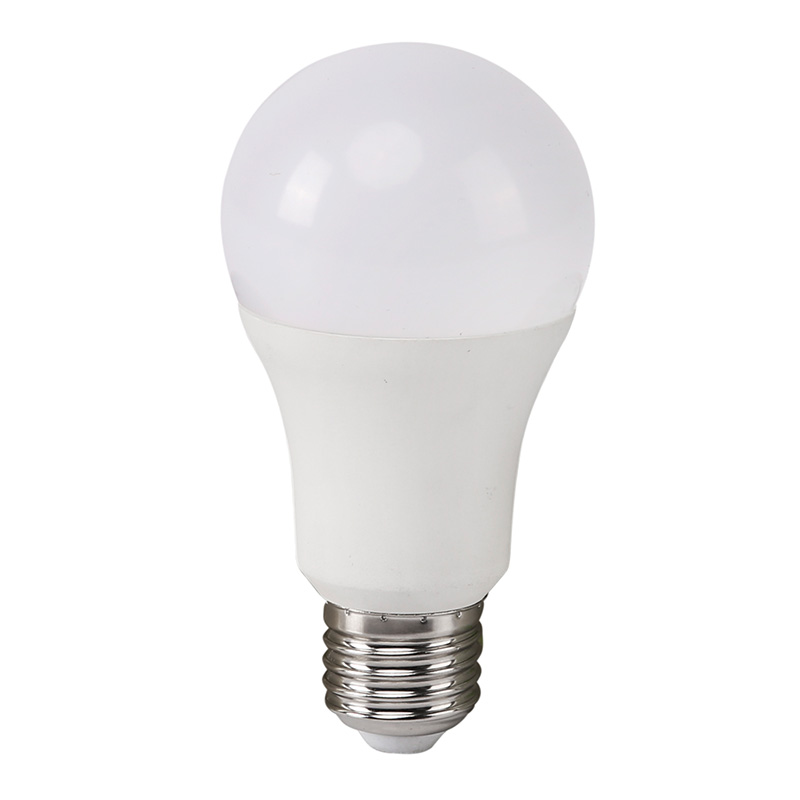 TRIAC Dimmable LED Bulbs for Vanity and Ambiance LightingThese TRIAC/phase-cut dimmable E26/E27 LED bulbs let compatible wall dimmers tune vanity pendants from bright task light to soft glow.View Product →
Motion sensing suits the rooms nobody lingers in. A PIR or radar sensor lamp in a powder room, utility corner or guest bathroom comes on when someone walks in and switches itself off afterwards, which is convenient and quietly reduces wasted energy.
Materials, Finishes and IP Ratings for Humid Rooms
Metal finishes age differently in a bathroom. Powder-coated aluminium and die-cast aluminium hold up well, while untreated steel and some plated finishes will spot or pit over time in a room with regular showers. Glass shades are easy to wipe down; fabric shades and open-weave materials are usually a poor fit for a damp room.
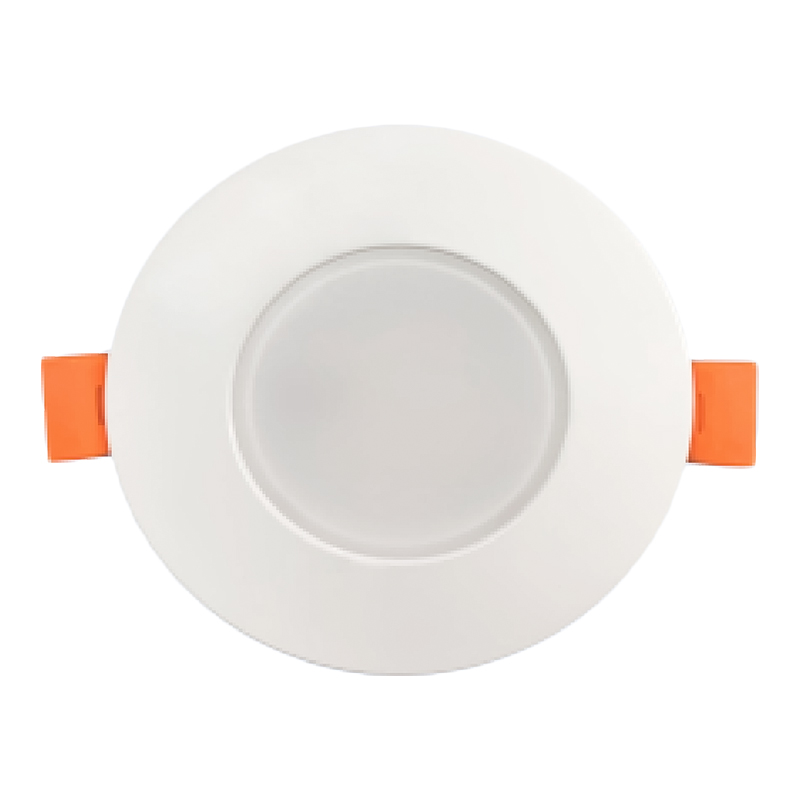
The IP rating is the fastest way to judge whether a fitting belongs near water. IP44 is a reasonable minimum for a pendant above a vanity, and anything within reach of shower or tub spray should be IP65 or better, or moved out of the zone. Complementary lighting in a wet area often needs the same protection, which is why sealed downlight options exist for those positions.
 IP65 3CCT LED Downlight for Bathrooms and Wet AreasThis IP65 5W/7W downlight offers selectable 3000K, 4000K or 5000K output for bathrooms, kitchens and covered wet areas.View Product →
Ordering Bathroom Hanging Lights in Volume
If you are a brand, importer or retailer building a bathroom collection, the pendant is often only one part of the order. Buyers typically want the fixture, the lamp that goes inside it, and matching general lighting that shares the same color temperature and finish family, all from one supplier and one quality system.
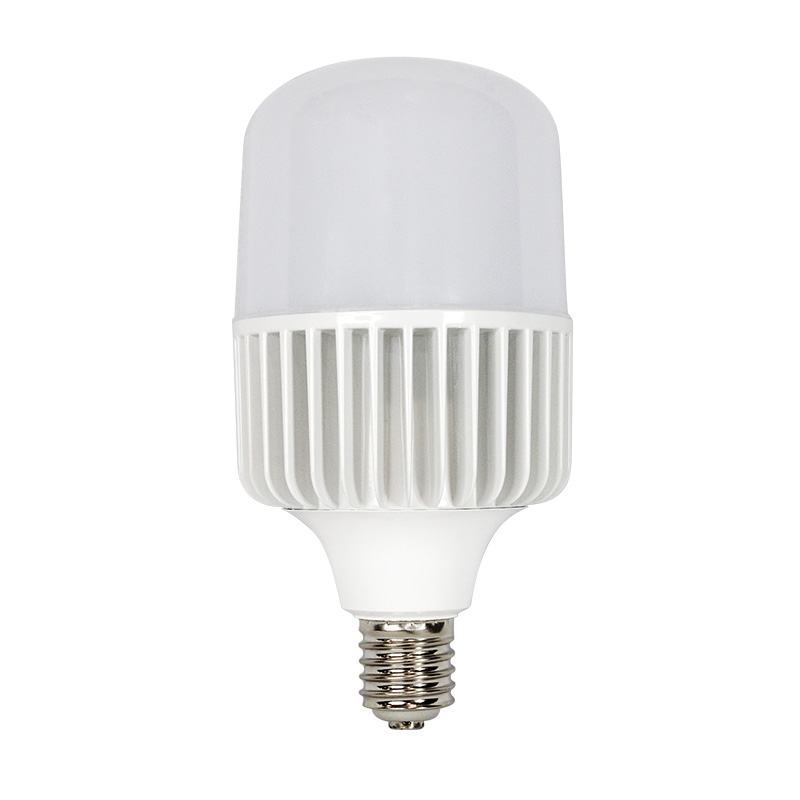
As a direct manufacturer, we handle that combination in one place, from housing and finish through to the lamp itself. Our T-series lamps in E27 and E40 bases suit slim pendant cages and taller fixtures where a standard bulb looks out of proportion.
 T-Series LED Bulbs with E27 and E40 BasesThese T-series bulbs range from 10W to 60W in E27/E40 bases, suited to slim pendants, high bays, warehouses, and OEM lighting programs.View Product →
For custom work, the useful starting points are a drawing, a sample, or a clear specification covering wattage, CCT, beam angle, base type, IP rating and finish. Send those through our contact page and the team can confirm tooling, sampling and lead times before you commit to a full production order.
Five Mistakes We See Most Often
- Buying the fixture before checking what bulb it takes, then discovering the base or length does not exist in a damp-rated version.
- Hanging the pendant too high, so it lights the ceiling instead of the person standing at the mirror.
- Using 4000K or 5000K lamps in a warm-tiled bathroom and wondering why the room feels cold.
- Ignoring IP ratings because the fixture is "not directly above the water".
- Ordering one pendant for a double vanity, which leaves one basin in shadow.
Bathroom hanging lights reward a little planning. Decide the height first, pick a warm lamp with good color rendering second, confirm the rating third, and the rest of the room tends to fall into place. If you would like a second opinion on a specification, or a sample lamp to test in your own fixture, we are always happy to talk it through.
