
 English
 中文简体
中文简体 عربى
عربى Español
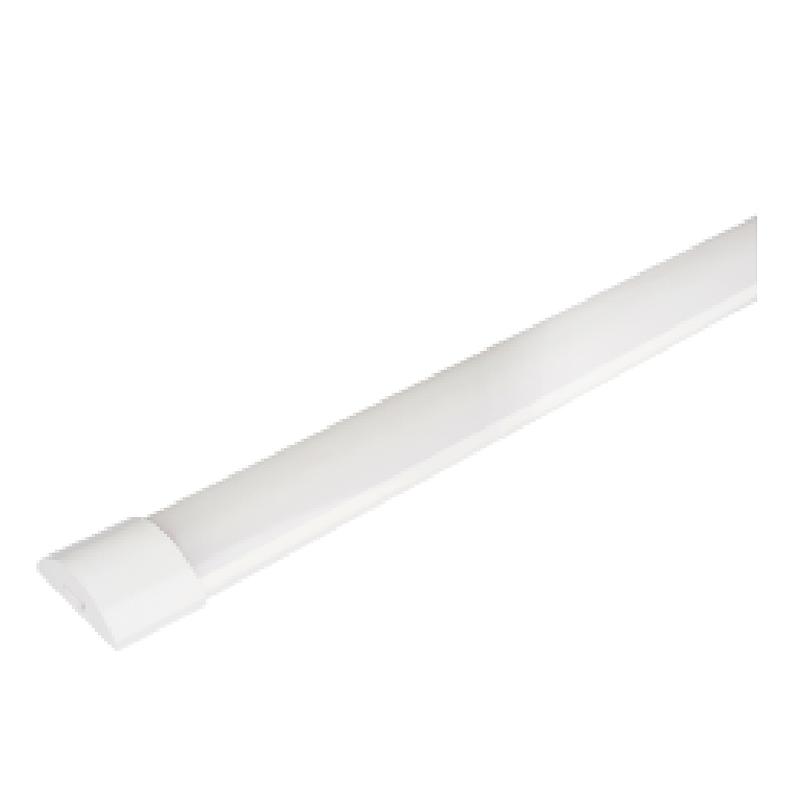
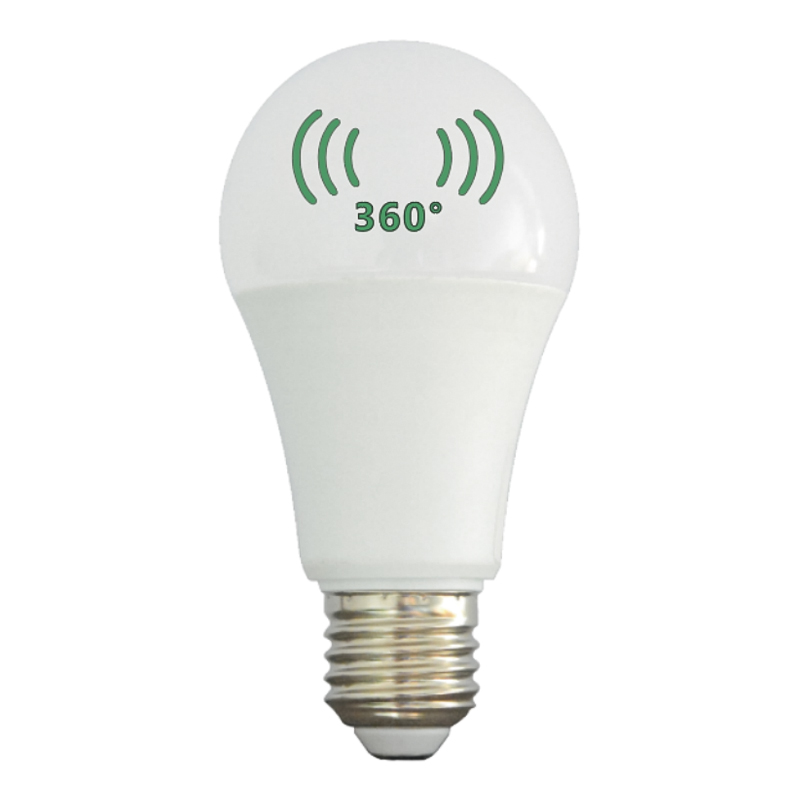
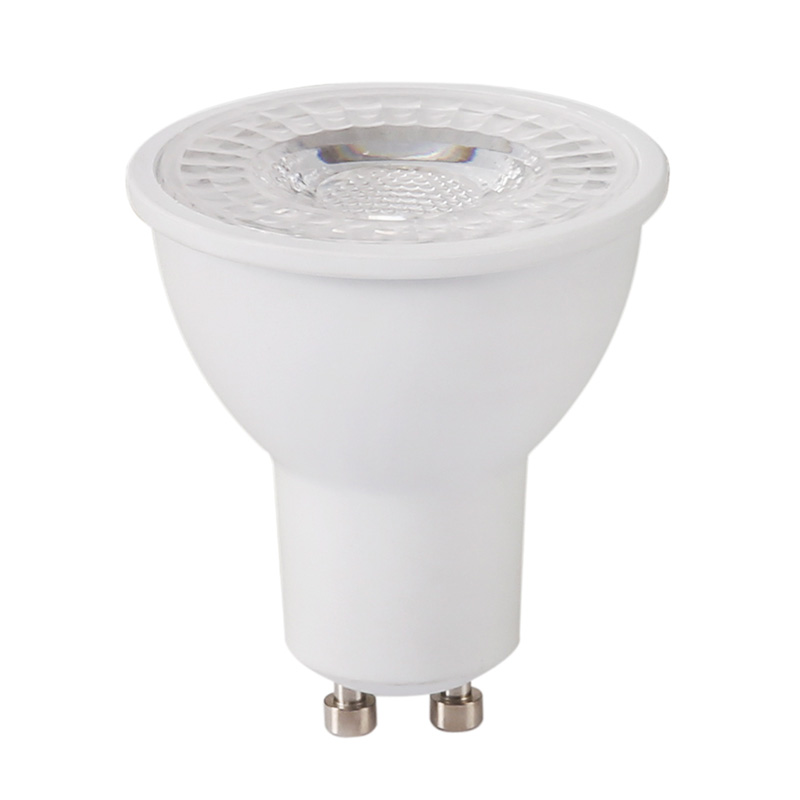
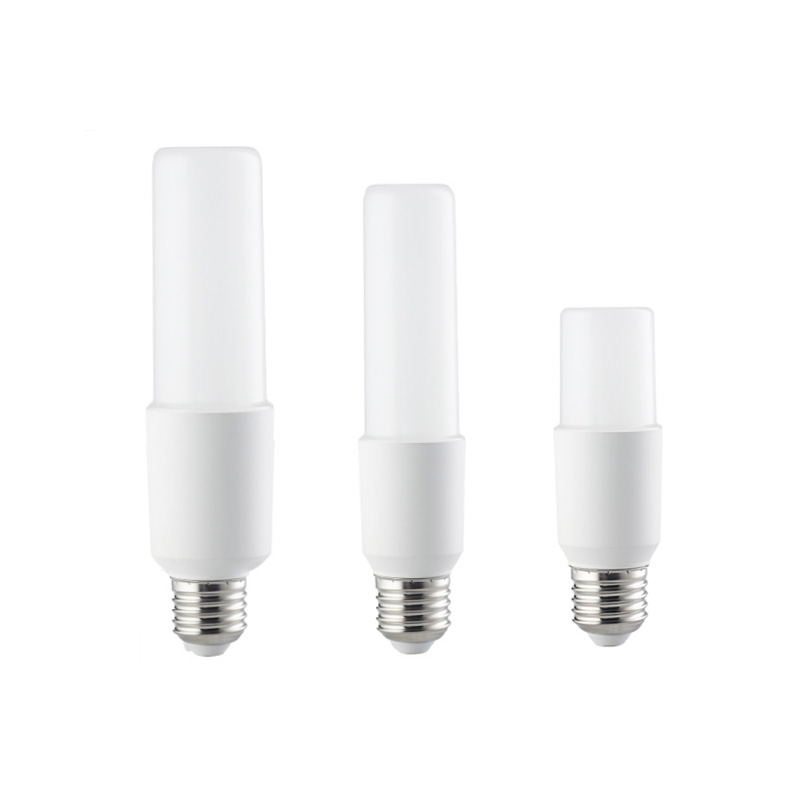
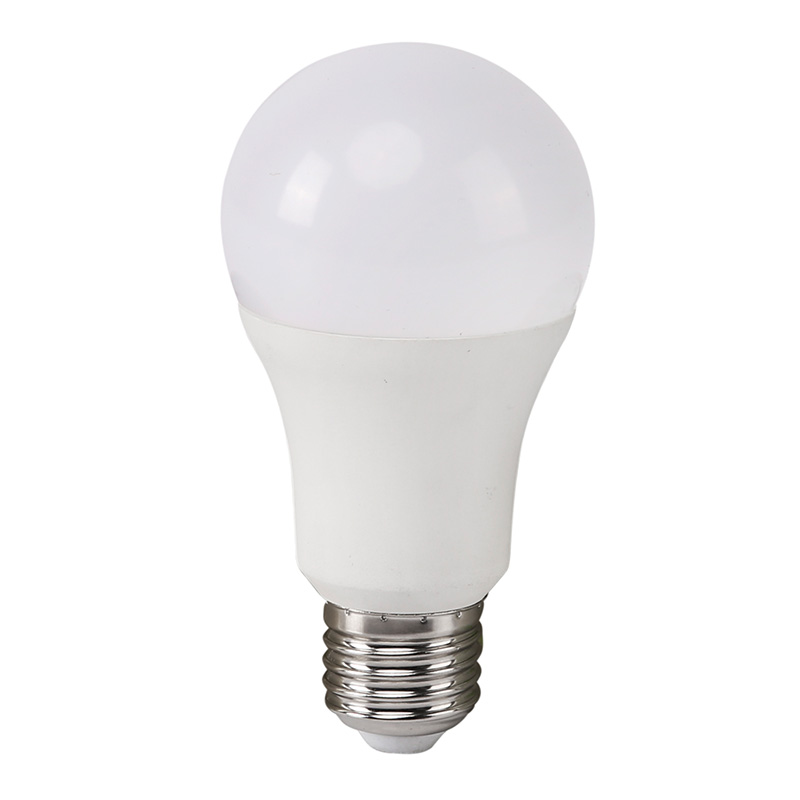
Introduction to LED Ceiling Lights LED ceiling lights have become a popular choice for modern homes,...
Content
Choosing the right LED wall light comes down to four factors: match brightness to the space (100–300 lumens for accent lighting, 300–800 lumens for functional task or entryway lighting), select a color temperature suited to the room's purpose (2700K–3000K warm white for living spaces, 4000K–5000K cool white for garages or workspaces), confirm the correct IP rating for outdoor or damp locations (IP44 minimum for covered outdoor areas, IP65 for direct rain exposure), and mount at the standard height of 60–66 inches from the floor for hallway or entryway fixtures. Getting these specs right the first time prevents the two most common complaints: lights that are either too dim to be functional or too harsh for comfortable ambient use.
Step 1: Determine the Right Brightness (Lumens)
Brightness is measured in lumens, not watts—LED fixtures produce significantly more light per watt than older incandescent bulbs, so comparing wattage alone can be misleading. The right lumen output depends entirely on whether the fixture is meant for ambient accent lighting or functional task lighting.
General Lumen Guidelines
- Accent/ambient lighting (hallways, decorative walls) – 100–300 lumens
- Entryway/porch lighting – 300–500 lumens
- Security/functional outdoor lighting – 500–800+ lumens
For larger walls or spaces requiring multiple fixtures, calculate total lumens needed for the room and divide across the number of planned fixtures rather than judging each light in isolation.
Step 2: Choose the Right Color Temperature
Color temperature, measured in Kelvin (K), determines whether light appears warm and yellow or cool and blue-white. Choosing the wrong color temperature is one of the most common reasons homeowners feel their new LED lighting looks "off" compared to their old bulbs, even when brightness is correctly matched.
| Color Temperature | Appearance | Best For |
|---|---|---|
| 2700K–3000K | Warm white/yellow | Living rooms, bedrooms, patios |
| 3500K–4000K | Neutral white | Hallways, entryways, kitchens |
| 5000K+ | Cool white/blue-white | Garages, workshops, security lighting |
Step 3: Confirm the Correct IP Rating
IP (Ingress Protection) ratings indicate how well a fixture resists dust and moisture—critical for outdoor or bathroom installations. Installing an indoor-rated fixture outdoors is one of the leading causes of premature LED failure, since moisture infiltration corrodes internal components even if the light appears to work fine initially.
IP Rating Quick Reference
- IP20 – Indoor use only, no moisture protection
- IP44 – Splash-resistant; suitable for covered patios or porches
- IP65 – Fully weatherproof; suitable for direct rain exposure and uncovered outdoor walls
When in doubt for an outdoor application, choosing IP65 over IP44 provides a meaningful safety margin against unexpected weather exposure.
Step 4: Installing an LED Wall Light Safely
Always shut off power at the breaker before beginning installation, and use a voltage tester to confirm the circuit is dead before touching any wiring. While straightforward for anyone comfortable with basic electrical work, hiring a licensed electrician is strongly recommended for new wiring runs or outdoor circuits requiring GFCI protection.
Standard Mounting Height
For hallway, entryway, or stairwell fixtures, mount at 60 to 66 inches from the floor to eye level for most adults. For outdoor porch or garage lighting focused on functionality over ambiance, 66–72 inches is common to maximize coverage area.
Basic Installation Steps
- Turn off power at the breaker and confirm with a voltage tester.
- Remove the existing fixture (if replacing one) and inspect the junction box for damage or outdated wiring.
- Mount the fixture's backplate securely to the junction box using the provided screws.
- Connect wires by color (black to black/hot, white to white/neutral, green or bare copper to ground), securing each with wire nuts.
- Attach the fixture housing, restore power, and test before finalizing any outdoor sealing or caulking around the mount.
Outdoor Sealing
For outdoor installations, apply a bead of exterior-grade silicone caulk around the fixture's mounting plate where it meets the wall surface, preventing water infiltration behind the fixture even on rated IP65 lights.
Maintenance for Long-Term Performance
Quality LED wall lights are rated for 25,000 to 50,000 hours of use—translating to 15+ years under typical residential use—but only if maintained properly to prevent heat buildup and moisture damage.
- Clean the fixture lens every 3–6 months – Dust and grime buildup can reduce light output by 10–20% over time, especially on outdoor fixtures.
- Check outdoor seals annually – Inspect and reapply caulking or gaskets if cracking is visible, since UV exposure degrades sealants over time.
- Avoid enclosing fixtures in non-vented covers – LEDs generate heat that needs to dissipate; trapped heat significantly shortens driver lifespan.
- Inspect wiring connections every few years – Loose connections can cause flickering and are a fire risk if left unaddressed.
LED Wall Light vs. Traditional Wall Sconce
The core difference is efficiency and lifespan: LED wall lights consume up to 75% less energy than incandescent sconces and last significantly longer, while traditional sconces using replaceable bulbs offer more flexibility to swap bulb styles but require far more frequent bulb replacement and generate more heat.
| Factor | LED Wall Light | Traditional Sconce |
|---|---|---|
| Lifespan | 25,000–50,000 hours | 1,000–2,000 hours (bulb) |
| Energy Use | Low | Higher |
| Heat Output | Low | Higher |
Final Checklist Before You Buy
Before purchasing, confirm the following to avoid the most common LED wall light mistakes:
- Match lumen output to the fixture's actual purpose—accent, entryway, or security lighting.
- Choose color temperature based on room function, not just personal preference in the showroom.
- Confirm IP rating matches the installation location's actual weather exposure.
- Check whether local code requires GFCI protection for outdoor electrical circuits before installing.
