
 English
 中文简体
中文简体 عربى
عربى Español
Introduction to LED Ceiling Lights LED ceiling lights have become a popular choice for modern homes,...
Content
- 1 Quick Answer: Best LED Downlights by Room
- 2 Understanding LED Downlights: Key Terms and Specifications
- 3 Best LED Downlights for the Kitchen
- 4 Kitchen Downlight Sizing and Spacing Table
- 5 Best LED Downlights for the Living Room
- 6 Best LED Downlights for the Bathroom
- 7 Outdoor Downlights: Extending LED Lighting Beyond Indoor Spaces
- 8 Energy Efficiency: LED Downlights vs Traditional Lighting
- 9 New Construction vs Retrofit Downlights
- 10 Installation Tips for DIY Downlight Projects
- 11 Frequently Asked Questions
- 11.1 What size LED downlight should I use in my kitchen?
- 11.2 Can I use the same downlights in my bathroom and living room?
- 11.3 Is under cabinet lighting necessary if I already have ceiling downlights?
- 11.4 Are smart recessed lighting fixtures worth the extra cost?
- 11.5 Do outdoor downlights need to be replaced more often than indoor fixtures?
Quick Answer: Best LED Downlights by Room
If you only need a quick recommendation: for kitchens, choose 4-inch led recessed lighting rated 3000K-4000K with at least 650-800 lumens per fixture, paired with under cabinet led lighting for countertop task areas. For living rooms, 6-inch downlights in 2700K-3000K warm white create a cozier ambiance, and dimmable or smart recessed lighting adds flexibility for movie nights versus everyday use. For bathrooms, prioritize 4-inch led can lights with an IP44 or higher rating for moisture resistance, especially near showers and tubs.
Below, we break down exactly how to choose the right size, brightness, and color temperature for each space, compare canned lights options, and cover everything from cabinet lights to outdoor downlights for exterior spaces.
Understanding LED Downlights: Key Terms and Specifications
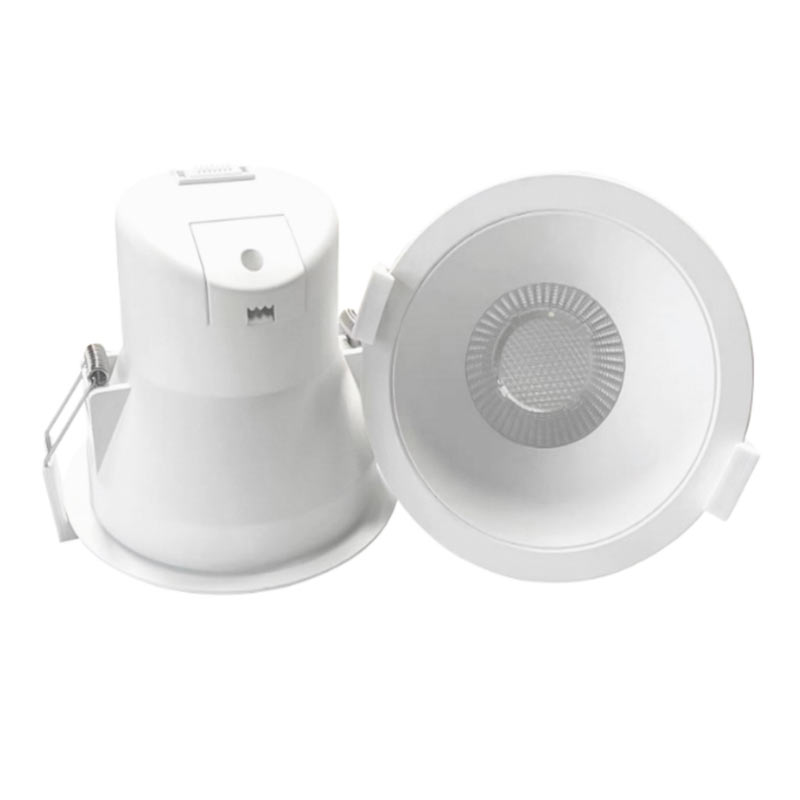
Before comparing room-by-room options, it helps to understand the terminology. Downlights, also called led recessed lighting, recessed can lights, or simply down lights, are fixtures mounted flush into the ceiling, directing light downward without the visual bulk of a hanging fixture. The term "canned lights" or "led pot lights" refers to the same category—the housing resembles a small can embedded in the ceiling.
Key Specifications to Know
- Size: Most residential downlights come in 4-inch, 5-inch, or 6-inch diameters.
- Lumens: Measures brightness; residential fixtures typically range from 600 to 1,200 lumens per fixture.
- Color temperature: Measured in Kelvin (K); lower numbers (2700K-3000K) produce warm light, higher numbers (4000K-5000K) produce cooler, more energizing light.
- Beam angle: Most downlights range from 90-120 degrees, affecting how widely light spreads across a room.
- IP rating: Indicates moisture resistance, critical for bathroom and outdoor downlights.
Best LED Downlights for the Kitchen
Kitchens require a combination of ambient lighting from ceiling-mounted downlights and targeted task lighting over countertops and prep areas. Layering these two lighting types reduces shadows and eye strain by up to 40% compared to relying on a single overhead light source.
Recommended Specs for Kitchen Downlights
For general kitchen ambient lighting, 4-inch or 5-inch led can lights spaced 4-6 feet apart deliver even coverage. Aim for 3000K-4000K color temperature, which provides a clean, energizing feel without looking overly cold or clinical.
Adding Under Cabinet Lighting
Under cabinet lighting installed beneath upper cabinets illuminates countertops directly, eliminating shadows cast by your own body when working at the counter. Under cabinet led lighting strips typically use 200-400 lumens per linear foot and consume far less energy than older fluorescent or halogen puck lights—often 60-70% less power for equivalent brightness.
Under Counter Lighting for Islands and Open Shelving
Under counter lighting serves a similar function to under cabinet fixtures but is often used for open shelving or floating counters where there's no cabinet above to mount fixtures to—instead, strips are mounted to the underside of the counter or shelf itself.
Kitchen Downlight Sizing and Spacing Table
| Ceiling Height | Recommended Size | Spacing |
|---|---|---|
| 8 feet | 4-inch | 4 feet apart |
| 9-10 feet | 5-inch | 5 feet apart |
| 10+ feet | 6-inch | 6 feet apart |
Best LED Downlights for the Living Room
Living rooms benefit from softer, adjustable lighting that can transition between bright everyday use and dim, relaxed evening ambiance. Unlike kitchens, where brightness and clarity matter most, living rooms prioritize warmth and flexibility.
Choosing the Right Color Temperature
For living rooms, 2700K-3000K warm white down lights are generally preferred, mimicking the cozy glow of traditional incandescent bulbs while still delivering modern energy efficiency.
Smart Recessed Lighting for Living Spaces
Smart recessed lighting allows you to adjust brightness and color temperature via smartphone app or voice assistant, and many models support scheduling and scene presets. Smart led downlights typically cost $15-$40 more per fixture than standard models but eliminate the need for separate smart bulbs or switches, and most integrate with major ecosystems like Alexa, Google Home, or Apple HomeKit.
Dimmable Compatibility
Always confirm your led pot lights are dimmable and compatible with your existing dimmer switch—mismatched dimmers and non-dimmable LEDs can cause flickering or buzzing, a common installation mistake in living room retrofits.
Best LED Downlights for the Bathroom
Bathroom lighting has unique safety requirements due to moisture exposure, making IP (Ingress Protection) ratings a non-negotiable factor when selecting recessed can lights for this space.
IP Rating Requirements by Zone
Bathrooms are typically divided into safety zones based on proximity to water sources. Downlights installed directly above or within a shower enclosure require a minimum IP65 rating, while general bathroom ceiling fixtures away from direct water exposure can use IP44-rated fixtures.
| Location | Minimum IP Rating | Notes |
|---|---|---|
| Inside shower/tub enclosure | IP65 | Direct water spray protection required |
| Above shower/tub area | IP44-IP65 | Splash protection minimum |
| General ceiling area | IP20-IP44 | Standard humidity protection |
Brightness and Color for Bathroom Tasks
Bathrooms benefit from brighter, cooler light around mirrors and vanity areas—typically 4000K-5000K—to support grooming tasks like shaving and makeup application, while general downlights elsewhere in the room can use a slightly warmer 3000K-3500K tone.
Outdoor Downlights: Extending LED Lighting Beyond Indoor Spaces
Outdoor downlights are used on covered patios, porches, eaves, and soffits to provide weather-resistant illumination for exterior living spaces. Unlike indoor canned lights, outdoor downlights must withstand temperature swings, humidity, and direct precipitation in uncovered installations.
Key Requirements for Outdoor Downlights
- Minimum IP65 rating for fixtures exposed to direct rain or sprinkler overspray
- Corrosion-resistant housing, typically aluminum or stainless steel rather than standard painted steel
- UL "wet location" listing, which is distinct from and stricter than "damp location" listings used for covered porches
- Sealed gaskets around the trim and lens to prevent moisture infiltration into the electrical housing
Energy Efficiency: LED Downlights vs Traditional Lighting
One of the strongest arguments for switching to LED downlights and cabinet lights is the dramatic reduction in energy consumption compared to incandescent or halogen alternatives.
| Bulb Type | Wattage (for ~800 lumens) | Average Lifespan |
|---|---|---|
| Incandescent | 60W | 1,000 hours |
| Halogen | 45W | 2,000-4,000 hours |
| LED | 8-10W | 25,000-50,000 hours |
This means a typical led can lights fixture uses roughly 85% less energy than an equivalent incandescent fixture while lasting up to 25-50 times longer, making the higher upfront cost recoverable within 1-2 years for most households through electricity savings alone.
New Construction vs Retrofit Downlights
Downlights are sold in two main installation formats, and choosing the wrong one for your project can mean costly rework.
New Construction Housings
These are installed before drywall goes up, secured directly to ceiling joists. They're standard for new builds or major renovations where the ceiling is already open.
Remodel/Retrofit Housings
Retrofit downlights are designed to be installed through an existing ceiling cutout without accessing the joist structure, making them the practical choice for most homeowners upgrading old recessed can lights to modern LED versions without opening up the ceiling.
Installation Tips for DIY Downlight Projects
- Turn off power at the breaker before working on any existing fixture or wiring.
- Confirm ceiling clearance—most retrofit led recessed lighting requires at least 2-3 inches of plenum space above the ceiling.
- Use a stud finder to avoid cutting into joists when positioning new fixture locations.
- Check insulation contact (IC) ratings if installing near insulation, since non-IC-rated housings can pose a fire risk when in contact with insulation.
- For bathroom or outdoor downlights, double-check IP ratings match the installation zone before cutting any ceiling holes.
Frequently Asked Questions
What size LED downlight should I use in my kitchen?
For standard 8-foot kitchen ceilings, 4-inch downlights spaced about 4 feet apart provide even, balanced coverage without creating overly bright hotspots.
Can I use the same downlights in my bathroom and living room?
Not ideally. Bathroom fixtures need a minimum IP44 rating (or IP65 near water sources) for moisture protection, while living room down lights have no such requirement and can prioritize warmth and dimmability instead.
Is under cabinet lighting necessary if I already have ceiling downlights?
Yes, for kitchens specifically. Ceiling-mounted downlights alone often create shadows on countertops from your body blocking the overhead light, so under cabinet led lighting eliminates this issue by lighting the work surface directly from above.
Are smart recessed lighting fixtures worth the extra cost?
For living rooms and frequently used spaces, smart recessed lighting offers convenient scheduling, dimming, and color adjustment without separate smart switches, often justifying the $15-$40 per fixture premium through added flexibility.
Do outdoor downlights need to be replaced more often than indoor fixtures?
Not necessarily, but outdoor downlights exposed to extreme temperature swings or direct weather can experience faster degradation of seals and gaskets, so periodic inspection every 1-2 years helps catch moisture infiltration before it damages the internal components.
