
 English
 中文简体
中文简体 عربى
عربى Español
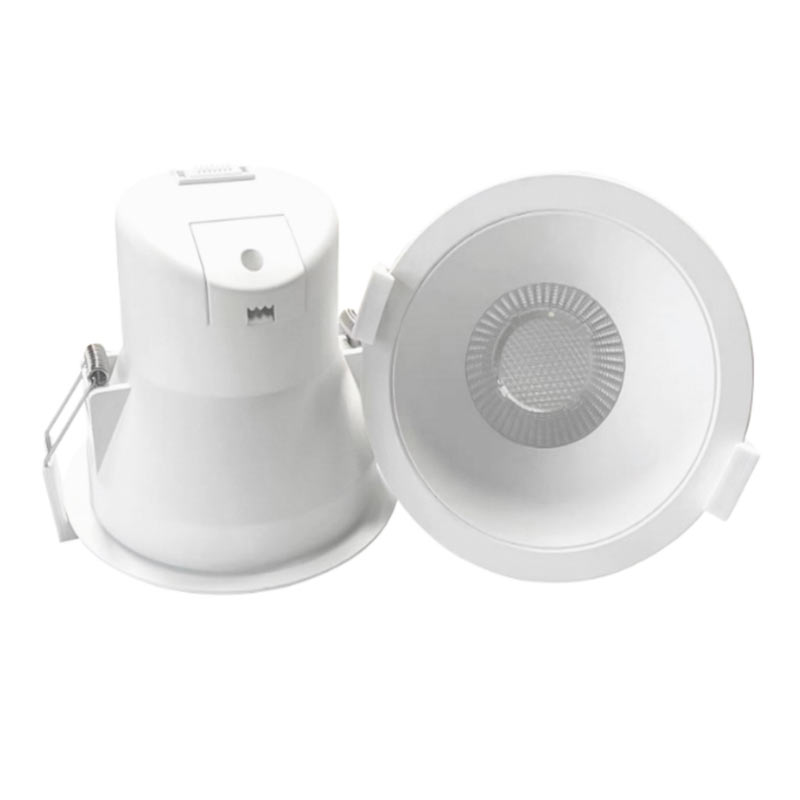
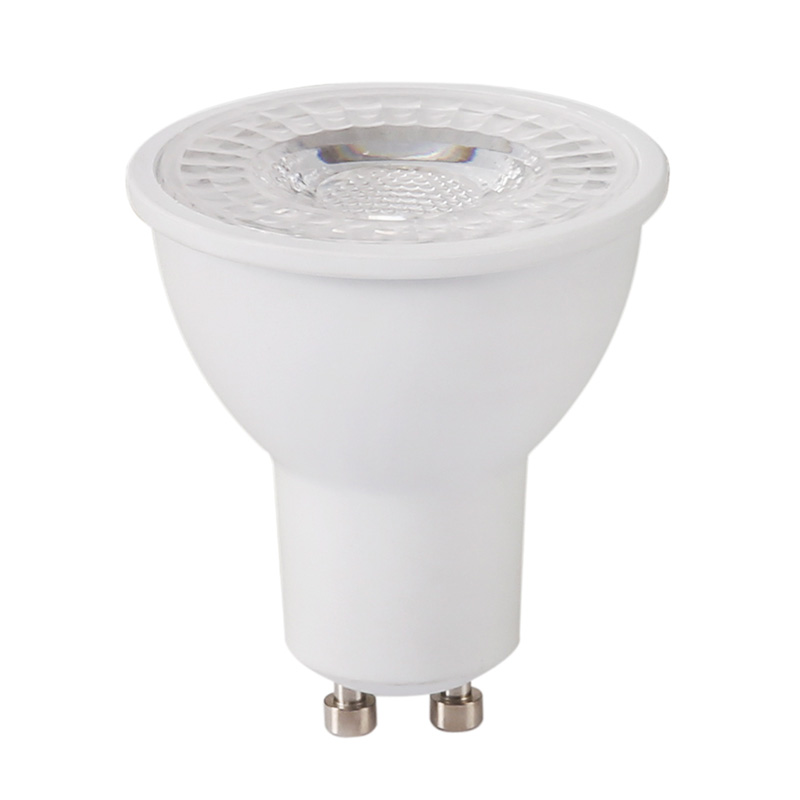
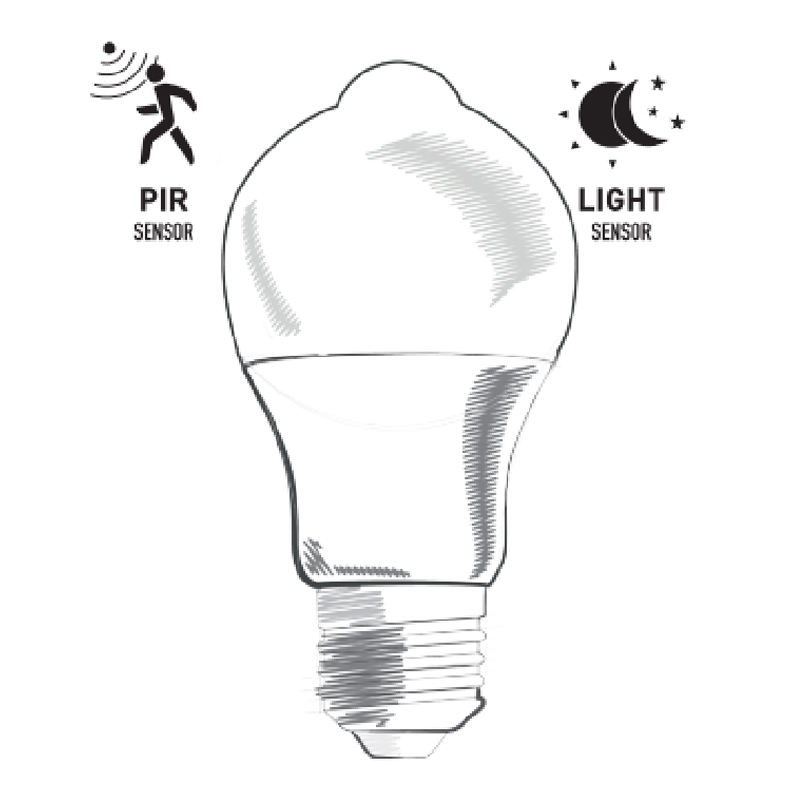
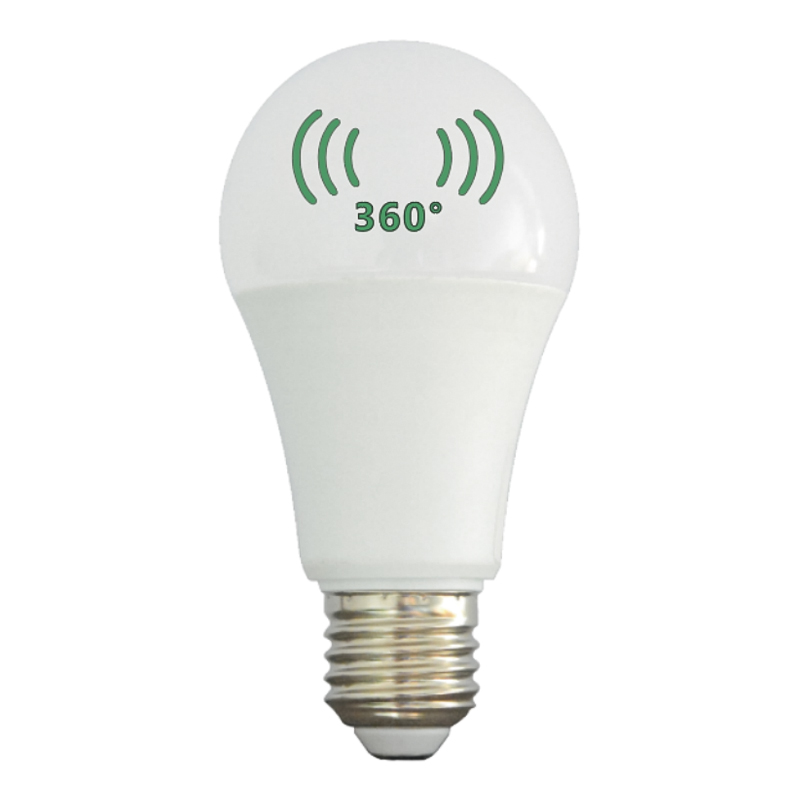
Introduction to LED Ceiling Lights LED ceiling lights have become a popular choice for modern homes,...
Content
Most LED downlight flickering or buzzing traces back to one of four causes: an incompatible dimmer switch (the most common culprit by far), a loose electrical connection at the fixture or junction box, driver failure inside the LED module itself, or voltage fluctuations on the circuit. The good news is that roughly 70–80% of flickering complaints are dimmer compatibility issues, which can often be fixed in under 30 minutes without hiring an electrician—but a few specific symptoms do signal a safety issue that needs professional attention right away.
Cause 1: Incompatible Dimmer Switch
Old-style dimmer switches designed for incandescent bulbs use a technology called TRIAC dimming, which controls brightness by cutting off part of the electrical waveform—a method that works fine with incandescent filaments but often causes LED drivers to flicker, buzz, or fail to dim smoothly. This is by far the most common cause of LED downlight flickering, especially in homes renovated from incandescent to LED lighting without updating the dimmer.
How to Confirm This Is the Cause
If the flickering only happens at certain dimmer positions (especially near the low end) or gets worse the dimmer more lights are on the same circuit, dimmer incompatibility is almost certainly the issue.
The Fix
Replace the old TRIAC dimmer with an LED-compatible dimmer switch, which uses different control technology specifically designed for LED driver circuits. Always check that the new dimmer's minimum and maximum wattage load matches your total connected LED wattage—undersized load ranges are a secondary cause of continued flickering even after switching dimmers.
Cause 2: Loose Electrical Connections
Flickering that happens randomly, regardless of dimmer setting, often points to a loose connection somewhere in the circuit—at the fixture itself, the wall switch, or the junction box.
How to Confirm This Is the Cause
If flickering worsens when you tap the wall near the switch, walk heavily across the floor, or run other appliances on the same circuit, a loose connection is the likely culprit rather than the LED fixture itself.
The Fix
Turn off power at the breaker, then check and tighten wire nut connections at the fixture, junction box, and switch. If you're not comfortable working with electrical wiring, this is a reasonable point to call a licensed electrician, since loose connections can also present a fire risk if left unaddressed.
Cause 3: Driver Failure
Every LED downlight contains a small driver that converts household AC voltage into the low-voltage DC current the LED chips actually use. Driver failure is a common cause of flickering, buzzing, or a downlight that dims progressively before failing entirely—especially in fixtures nearing or past their rated lifespan (typically 25,000–50,000 hours).
How to Confirm This Is the Cause
If only one specific fixture flickers or buzzes while others on the same circuit and dimmer work fine, the problem is isolated to that fixture's driver rather than the circuit or dimmer switch.
The Fix
In most integrated LED downlights, the driver isn't user-replaceable, so the fixture itself needs to be replaced. Check whether the fixture is still under warranty first—many quality LED downlights carry 3–5 year warranties that cover driver failure.
Cause 4: Voltage Fluctuations
LED drivers are sensitive to voltage instability, and fluctuations from the utility grid or from large appliances cycling on and off (HVAC systems, refrigerators, well pumps) can cause visible flickering across multiple fixtures simultaneously.
How to Confirm This Is the Cause
If flickering happens house-wide and coincides with large appliances turning on—like the AC compressor kicking in or a well pump activating—voltage fluctuation is the likely cause rather than an issue with the LED fixtures themselves.
The Fix
This typically requires an electrician to inspect your electrical panel and, in some cases, install a voltage stabilizer or address an undersized circuit that's struggling under load. This is not a DIY fix, since it usually points to a larger electrical system issue.
Diagnostic Table: Match Your Symptom to the Cause
Use this table to quickly narrow down which cause matches what you're observing.
| Symptom | Likely Cause | DIY Fixable? |
|---|---|---|
| Flickers only when dimmed | Incompatible dimmer | Yes |
| Worsens with vibration/tapping | Loose connection | Caution advised |
| Only one fixture affected | Driver failure | Replace fixture |
| House-wide, tied to appliances | Voltage fluctuation | No, call electrician |
Step-by-Step Troubleshooting Process
Follow this order to systematically rule out causes from simplest to most involved.
- Test without dimming – If you have a dimmer, switch it to full brightness. If flickering stops, the dimmer is very likely the cause.
- Check if it's isolated to one fixture – Turn on other lights on the same circuit. If only one flickers, suspect driver failure in that specific unit.
- Tap near the switch and fixture gently – If flickering changes, a loose connection is likely; turn off power and inspect wiring.
- Watch for patterns tied to appliances – If flickering coincides with the AC, well pump, or other large appliances cycling, suspect voltage fluctuation and call an electrician.
- Replace the dimmer if needed – If step 1 confirmed dimmer incompatibility, install an LED-rated dimmer matched to your total fixture wattage.
When to Call an Electrician Instead of Troubleshooting Further
Stop DIY troubleshooting and call a licensed electrician if you notice a burning smell, warm or discolored outlet/switch plates, buzzing that's audible from across the room, or flickering that affects your entire home rather than a single circuit—these are signs of a potentially serious electrical issue rather than a simple LED compatibility problem.
Loose connections and voltage issues, in particular, are not just an annoyance—they can be early warning signs of a fire hazard, so it's worth erring on the side of caution rather than continuing to use a circuit exhibiting these symptoms.
Preventing Future Flickering Issues
A few upfront choices can prevent most flickering and buzzing problems before they start.
- Always pair LED downlights with a dimmer explicitly labeled "LED-compatible," not just any dimmer switch already installed.
- Check the dimmer's minimum load rating against your total connected LED wattage, since many dimmers require a minimum load to function smoothly.
- Buy LED fixtures from reputable manufacturers with documented driver quality and warranty coverage, since cheap drivers are a common source of early flickering and failure.
- Have wiring inspected periodically in older homes, where connections can loosen naturally over years of thermal expansion and contraction.
