
 English
 中文简体
中文简体 عربى
عربى Español
Introduction to LED Ceiling Lights LED ceiling lights have become a popular choice for modern homes,...
Content
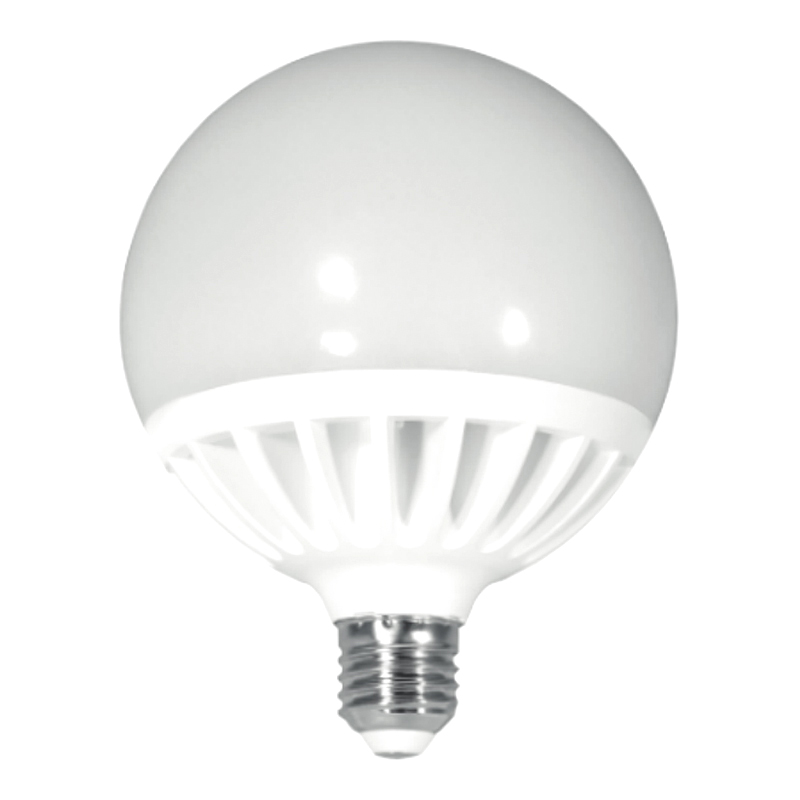
In the modern commercial and residential lighting landscape, the shift toward sustainable energy is no longer a luxury—it is a fiscal necessity. As electricity rates continue to climb, facility managers and interior designers are increasingly focusing on the efficiency of decorative lighting. LED G Bulbs, characterized by their classic “Globe” shape, offer a unique intersection of aesthetic appeal and high-performance technology. By replacing outdated incandescent or halogen globes with advanced LED alternatives, businesses can realize significant operational savings while maintaining the high-quality ambiance required for hospitality, retail, and high-end residential spaces.
1. Direct Energy Savings: Slashing the Monthly Utility Bill
The most immediate and quantifiable impact of upgrading to LED G Bulbs is the drastic reduction in total wattage consumption. Traditional globe bulbs, such as the G25 or G30, have historically relied on heating a tungsten filament to incandescence, a process that is remarkably inefficient.
1.1 The Wattage Revolution
To achieve the same level of brightness (measured in lumens), an LED G25 bulb requires only a fraction of the power used by its traditional counterpart. For instance, a 60W incandescent globe can be seamlessly replaced by a 7W to 9W LED bulb. This represents an 85-90% reduction in energy usage for every single socket in your facility. When scaled across a large hotel vanity system or a restaurant’s decorative pendant array, these marginal gains aggregate into substantial monthly savings on utility bills.
1.2 Impact on HVAC Efficiency
A secondary but critical energy-saving factor is heat emission. Traditional globe bulbs convert approximately 90% of their energy into heat rather than light. In a confined space like a bathroom or a small retail boutique, a bank of incandescent G-bulbs acts like a small space heater. This forces the building’s HVAC (Air Conditioning) system to work harder to maintain a comfortable temperature. By switching to “cool-to-the-touch” LED globe bulbs, you reduce the secondary cooling load on your facility, leading to lower HVAC maintenance costs and reduced summer electricity spikes.
2. Maintenance and Replacement Cost Longevity
For enterprise-level operations, the cost of a light bulb is not just the price on the invoice—it is the Total Cost of Ownership (TCO). This includes the labor required to identify, source, and replace failed units.
2.1 Extended Lifespan Dynamics
The durability of LED G Bulbs is vastly superior to traditional glass-filament lamps. While a standard incandescent globe might offer a lifespan of 1,000 to 1,500 hours, high-quality LED equivalents are rated for 15,000 to 25,000 hours.
- Standard Usage: In a 24/7 hospitality environment, an incandescent bulb might burn out in less than two months.
- LED Longevity: Under the same conditions, an LED bulb could last for nearly three years without intervention.
2.2 Labor Savings for Facility Management
Replacing a bulb in a high-ceiling lobby or a complex chandelier often requires specialized equipment or outside contractors. By extending the replacement cycle by 20 times, you virtually eliminate the recurring labor expense associated with “spot re-lamping.” This allows your maintenance staff to focus on more critical infrastructure tasks, significantly improving the operational efficiency of your facility management team.
2.3 Comprehensive Cost-Benefit Table
| Comparison Factor | Traditional Incandescent G25 | High-Efficiency LED G25 |
|---|---|---|
| Energy Consumption | 60 Watts | 8 Watts |
| Average Lifespan | 1,200 Hours | 25,000 Hours |
| Annual Energy Cost (12h/Day) | $31.50 (Approx.) | $4.20 (Approx.) |
| Heat Emission (BTUs) | High (Dangerous to touch) | Low (Safe to touch) |
| Durability | Fragile glass/filament | Shatter-resistant/Solid-state |
| CRI (Color Rendering) | 100 | 90+ (High-fidelity) |
3. Enhancing Aesthetics Without the Premium Price Tag
In decorative lighting, “how the light looks” is just as important as “how much it costs.” A common misconception is that energy-efficient bulbs compromise the warm, inviting glow of traditional lighting. However, modern LED filament technology has bridged this gap perfectly.
3.1 Advanced Color Temperature and CRI
When selecting LED G Bulbs, you can now choose specific color temperatures (measured in Kelvins) to suit your brand’s atmosphere. A 2700K “Warm White” provides the cozy feel of a classic incandescent, while a 4000K “Cool White” is ideal for modern, clean-looking office spaces. Furthermore, bulbs with a high Color Rendering Index (CRI > 90) ensure that textures, fabrics, and skin tones look natural and vibrant, which is essential for high-end retail displays and vanity mirrors.
3.2 Dimmability and Flexibility
Modern Dimmable LED G Bulbs offer smooth, flicker-free dimming capabilities that allow for dynamic mood control. By utilizing a compatible LED dimmer switch, you can reduce light output during off-peak hours, which not only saves even more energy but also significantly extends the life of the internal LED driver. This flexibility makes them the perfect choice for ballroom chandeliers, restaurants, and residential living rooms where light levels need to transition from day to night.
4. Environmental Impact and Corporate Responsibility
In today’s market, consumers and stakeholders value Corporate Social Responsibility (CSR). Switching to LED lighting is one of the most visible ways a company can demonstrate its commitment to sustainability.
4.1 Carbon Footprint Reduction
Because LED G Bulbs consume so much less electricity, they directly reduce the carbon emissions associated with power generation. A single facility upgrading 100 bulbs to LED can prevent hundreds of pounds of CO2 from entering the atmosphere each year. This data can be utilized in annual sustainability reports to bolster your brand’s “green” credentials.
4.2 Hazardous Material Compliance
Unlike older lighting technologies (such as CFLs which contain mercury), LED bulbs are constructed with solid-state components that are free from toxic gases and heavy metals. This makes the disposal and recycling process much simpler and more environmentally friendly. Furthermore, because they are shatter-resistant, they are much safer for use in food service areas and children’s environments, reducing the risk of contamination from broken glass.
FAQ: Frequently Asked Questions
Q1: Can I replace my G25 incandescent bulbs with LED versions directly?
A: Yes. Most LED G25, G30, and G40 bulbs are designed with a standard E26 (Medium) base, meaning they are a direct “plug-and-play” replacement for your existing fixtures.
Q2: Why are some LED G bulbs more expensive than others?
A: The price difference usually reflects the quality of the LED driver and the CRI rating. Premium bulbs use better components that prevent flickering and ensure the color of the light doesn’t shift over time.
Q3: How do I know which size (G25 vs. G40) I need?
A: The number represents the diameter of the bulb in eighths of an inch. A G25 is 3.125 inches wide, while a G40 is 5 inches wide. Check your fixture’s clearance to ensure the larger G40 bulbs will fit without touching the shade.
Q4: Do LED globe bulbs work in outdoor fixtures?
A: If the bulb is rated for “Damp Locations” or “Wet Locations,” it can be used in outdoor sconces or string lights. Always check the IP rating or manufacturer’s specification for outdoor use.
References & Industry Standards
- IESNA (Illuminating Engineering Society of North America): The Lighting Handbook, 10th Edition - Comprehensive data on lumen maintenance and energy efficiency.
- Energy Star Program: Lamps Specification V2.1 - Performance requirements for LED lamps to ensure quality and energy savings.
- UL 1993: Standard for Self-Ballasted Lamps and Lamp Adapters - Safety standards for LED bulb construction.
- DOE (U.S. Department of Energy): Adoption of Light-Emitting Diodes in Common Lighting Applications - Statistical analysis of energy savings from LED transitions.
