
 English
 中文简体
中文简体 عربى
عربى Español
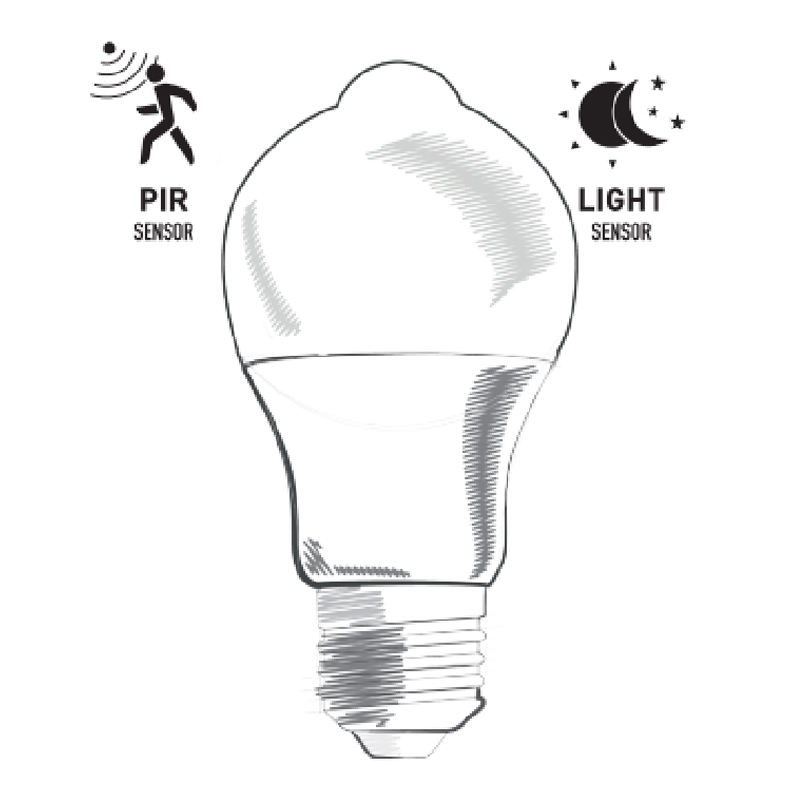
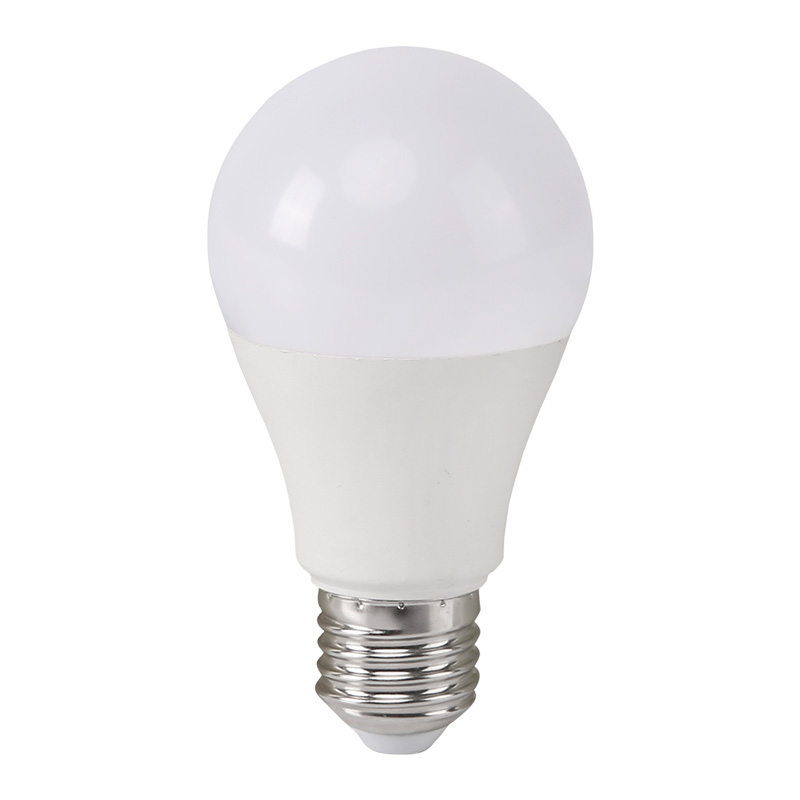
Introduction to LED Ceiling Lights LED ceiling lights have become a popular choice for modern homes,...
Content
- 1 The Energy Revolution: Why the Switch is Non-Negotiable
- 2 Calculating the Numbers: The Real-World Cost Comparison
- 3 Beyond the Bill: Hidden Savings of LED Technology
- 4 Quality Matters: Avoiding the “Cheap LED” Trap
- 5 The Environmental and ESG Benefit
- 6 FAQ: Maximizing Your Savings with LED Light Bulbs
- 7 References and Further Reading
The Energy Revolution: Why the Switch is Non-Negotiable
For decades, the incandescent bulb was the gold standard for illumination, but its inherent inefficiency was its downfall. In the world of physics, an incandescent bulb is more of a heater than a light source—approximately 90% of the energy it consumes is wasted as heat, with only 10% converted into visible light. In the modern era of energy consciousness, LED Light Bulbs (Light Emitting Diodes) have emerged as the most significant advancement in lighting technology since the time of Thomas Edison. Whether you are a homeowner looking to slash monthly utility bills or a facility manager overseeing a large commercial complex, the transition to LED is no longer just a “green” choice—it is a critical financial strategy.
The Efficiency Gap: Physics of Light
The secret to the savings lies in the “Luminous Efficacy.” LED technology produces light by passing an electric current through a semi-conductor microchip, which illuminates the tiny light sources we call LEDs. This solid-state lighting process is nearly 80-90% more efficient than the heating of a metal filament. By maximizing light output while minimizing heat dissipation, LED Light Bulbs provide the same “brightness” (measured in Lumens) using a mere fraction of the power (measured in Watts). In 2026, as global electricity grids face increasing pressure and prices remain volatile, the ability to maintain high-quality lighting with minimal load is the first step toward long-term fiscal responsibility and energy security.
Calculating the Numbers: The Real-World Cost Comparison
To answer “how much can you save,” we must move past the old way of buying bulbs by wattage and instead focus on lumens. A traditional 60-watt incandescent bulb produces approximately 800 lumens. A modern, high-quality LED Light Bulb produces that same 800 lumens using only 8 to 9 watts of electricity. This means you are achieving the same visual result while consuming nearly 85% less energy. For a household that keeps 20 bulbs on for an average of 5 hours a day, the cumulative energy reduction is staggering, often resulting in a return on investment within the first six months of use.
Residential vs. Commercial Impact
The scale of savings grows exponentially in a commercial or industrial context. For a retail store or warehouse operating 500 fixtures for 12 hours a day, the transition to LED can reduce annual energy expenditure by tens of thousands of dollars.
ROI Analysis: Incandescent vs. Halogen vs. LED
The following table illustrates the energy and cost breakdown based on an average electricity rate of $0.15 per kWh and a projected usage of 25,000 hours (the typical lifespan of a mid-range LED).
| Performance Metric | Incandescent Bulb | Halogen Bulb | LED Light Bulb |
|---|---|---|---|
| Wattage (for 800 Lumens) | 60W | 43W | 8.5W |
| Lifespan (Rated Hours) | 1,000 | 2,500 | 25,000+ |
| Energy Consumed (over 25k hrs) | 1,500 kWh | 1,075 kWh | 212.5 kWh |
| Energy Cost (at $0.15/kWh) | $225.00 | $161.25 | $31.88 |
| Bulbs Replaced (in 25k hrs) | 25 | 10 | 1 |
| Maintenance Labor Cost | High | Medium | Near Zero |
Beyond the Bill: Hidden Savings of LED Technology
When people search for “LED energy savings,” they often focus solely on the immediate electricity bill. However, as an industry-leading supplier, we categorize “savings” into two distinct streams: direct energy savings and indirect operational savings. LED Light Bulbs offer several hidden financial benefits that are frequently overlooked during the procurement phase but significantly impact the bottom line over a 5-to-10-year cycle.
Reduced HVAC Load and Cooling Costs
Because incandescent and halogen bulbs are essentially small space heaters, they increase the ambient temperature of any enclosed room. In large office buildings or data centers, the HVAC (Heating, Ventilation, and Air Conditioning) system must work significantly harder to counteract the thermal output of thousands of inefficient bulbs. By switching to “cool-running” LED Light Bulbs, facilities often see a secondary drop in their cooling costs—sometimes as much as 10-15% of the total lighting energy saving itself. This “cascading saving” makes LEDs the most efficient retrofitting option for modern climate-controlled environments.
Drastic Reduction in Maintenance and Labor Expenses
The longevity of LED technology—often lasting 15 to 20 years in residential settings—means that the “cost of replacement” is virtually eliminated. For facilities with high-ceiling warehouses, street lighting, or luxury hotels, the labor cost associated with hiring a technician, setting up scaffolding, or renting a scissor lift to change a single burnt-out bulb often exceeds the cost of the bulb itself by five or ten times. With high-CRI LED bulbs, you “install and forget,” allowing your maintenance team to focus on critical infrastructure rather than routine bulb swaps.
Quality Matters: Avoiding the “Cheap LED” Trap
One of the highest-ranking search concerns among consumers is the “flickering” or “early failure” of low-quality LED bulbs. To truly realize the energy savings promised, the quality of the internal LED driver and the thermal management system is paramount. A sub-par LED Light Bulb may claim high efficiency on the box, but if the driver fails after 2,000 hours due to poor heat dissipation, your ROI is destroyed by the cost of a premature replacement and the frustration of inconsistent light quality.
Understanding Luminous Efficacy (lm/W)
When shopping for bulk lighting solutions, procurement officers should prioritize the “Lumens per Watt” rating rather than just the price per unit. In 2026, a top-tier LED bulb should deliver at least 100-130 lm/W.
The Importance of Color Rendering Index (CRI)
For retail and hospitality, energy saving cannot come at the expense of visual quality. High-CRI (90+) LED bulbs ensure that colors appear vibrant and accurate, which is essential for product displays and guest comfort. Cheap LEDs often have a low CRI, which can make spaces feel “gray” or “sterile,” potentially impacting sales and customer satisfaction. Therefore, investing in premium LED light bulbs ensures both financial savings and a superior atmospheric experience.
The Environmental and ESG Benefit
For corporate entities, switching to LED Light Bulbs is the most accessible “low-hanging fruit” for meeting ESG (Environmental, Social, and Governance) targets. Reducing energy consumption directly correlates to a lower carbon footprint and reduced strain on local power grids. Furthermore, since LED bulbs do not contain toxic mercury (unlike traditional Fluorescent or CFL lamps), they are significantly easier to recycle and represent a truly sustainable choice for the modern “Green Office.”
Carbon Footprint Reduction and Brand Reputation
Lighting accounts for nearly 15% of global electricity consumption and 5% of worldwide greenhouse gas emissions. A universal shift to high-efficiency LED could save over 1,400 million tons of $CO_2$ emissions annually. For businesses, this reduction is a powerful, quantifiable data point to include in annual sustainability reports. In an era where consumers and investors prioritize environmental responsibility, showing a 80% reduction in lighting-related carbon emissions through an LED retrofit is a significant boost to brand reputation and corporate compliance.
FAQ: Maximizing Your Savings with LED Light Bulbs
Do LED bulbs save money even if I only turn them on for a short time?
Absolutely. While the “payback period” is longer if usage is low, the energy reduction happens the second you flip the switch. Furthermore, LEDs are not damaged by frequent “on/off” cycles, unlike CFLs or HID lamps, making them the most durable choice for motion-sensor areas.
Can I use energy-saving LED bulbs with my old dimmer switches?
It depends. You must ensure the bulb is explicitly labeled as “Dimmable.” Additionally, some older “leading-edge” dimmers designed for incandescents may cause LEDs to flicker. For the best performance and maximum energy savings, we recommend using an LED-compatible (trailing-edge) dimmer.
Is it worth replacing my existing CFLs with LEDs now?
If your electricity rates are high, the answer is yes. LEDs are roughly 40-50% more efficient than CFLs and provide “instant-on” brightness without the warm-up period. They also lack the hazardous mercury found in CFLs, making them safer for your home and the environment.
How do I know if an LED bulb is high-quality?
Look for certifications such as Energy Star, UL, or CE. Additionally, check the warranty; a manufacturer offering a 3-to-5-year warranty on an LED Light Bulb is a strong indicator of a high-quality internal driver and superior thermal engineering.
References and Further Reading
- U.S. Department of Energy (DOE): “Adoption of Light-Emitting Diodes in Common Lighting Applications (2025 Update).”
- International Energy Agency (IEA): “Energy Efficiency 2025: Trends and Global Strategies.”
- Journal of Industrial Ecology: “Life Cycle Assessment of Solid-State Lighting vs. Traditional Illumination Systems.”
