
 English
 中文简体
中文简体 عربى
عربى Español
Introduction to LED Ceiling Lights LED ceiling lights have become a popular choice for modern homes,...
Content
A new set of LED downlights in a conference room starts flickering the moment the dimmer is turned below 50 percent. From the contractor's perspective, the bulbs are supposed to be dimmable. From the manufacturer's perspective, the fixtures are technically dimmable. Yet the installation fails.
The root cause is rarely the LED itself. Dimmer-compatible LED performance depends on three variables: the dimmer switch, the LED driver, and the electrical load. When these three are not matched, flicker, buzzing, or a shortened dimming range follows.
This guide explains what actually matters when you choose dimmer-compatible LED bulbs and fixtures, and what to ask before placing an order. It is written for installers, distributors, and OEM/ODM buyers who need practical answers, not just product labels.
Why "Dimmable" on the Box Is Not Enough
If an LED bulb says "dimmable," it only means the product was designed to accept a dimmer to some degree. It does not guarantee compatible behavior with your specific dimmer. A label cannot tell you about minimum load thresholds, correct wiring, or the driver's control range.
For example, a legacy dimmer designed for 600W of incandescent load may only accept 60–90W of LED load. Since one 8W LED bulb draws far less than an incandescent equivalent, a room with four bulbs might not reach the minimum load at all. In that case, the LED fixture receives an incomplete signal and starts flickering or becomes unresponsive.
A better starting point is understanding that a dimmer will only work well if the LED driver under it can read the dimmer's output signal and translate it smoothly to a brightness curve. If the driver is designed only for simple on/off operation, it will not respond correctly to dimming signals.
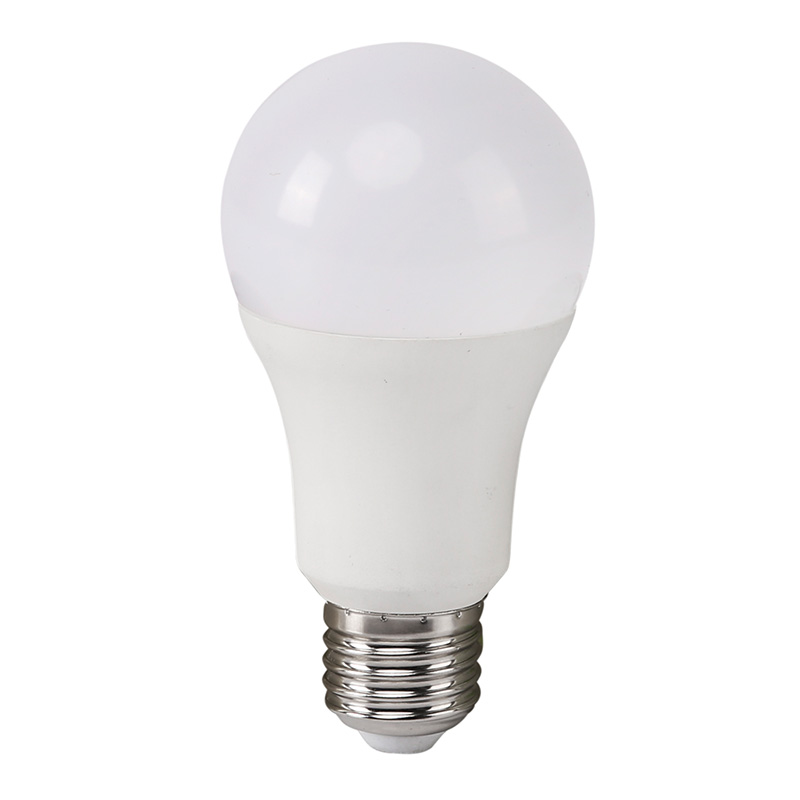
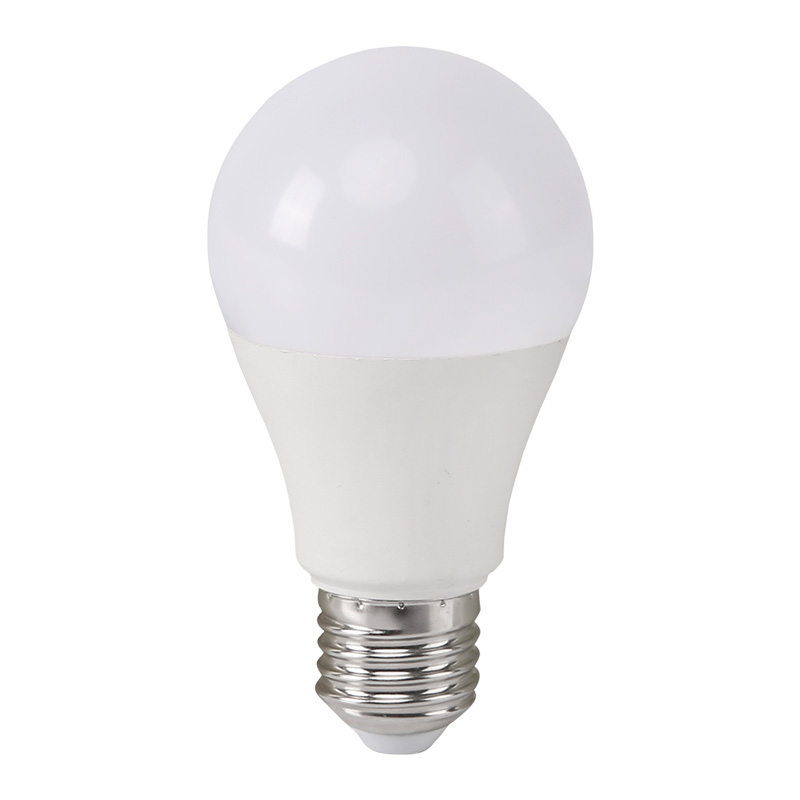
 TRIAC Dimmable LED Bulbs with Customizable Color TemperatureThese retrofit bulbs work with most leading edge dimmers and come in several color temperatures. Their driver design aims for smooth dimming, making them a convenient option for existing installations.View Product →
That is why a real dimmer-compatible LED product must be evaluated by its driver, not by its marketing copy. For retrofit projects, a TRIAC-dimmable bulb is often the most straightforward choice because it matches the most common dimmer architecture found in existing installations.
What Causes Dimmer Compatibility Problems in LED Fixtures
Most residential dimmers in North American and European markets use a TRIAC (leading-edge) design. These dimmers were created for incandescent loads, which have a purely resistive characteristic and do not care about the waveform shape. LED drivers, on the other hand, use switching circuits that are sensitive to the dimmer's waveform.
When a TRIAC dimmer cuts the AC waveform, it creates a sharp ramp-up. A well-designed driver can interpret that ramp-up as a dim command. An older or lower-cost driver may not handle the ramp-up well, producing flicker or audible noise.
Reverse-phase or ELV (electronic low-voltage) dimmers are often more stable with LED. They use a different method to reduce power and usually provide a smoother input to the driver. However, not all LEDs are designed for ELV dimmers. If you mix a reverse-phase dimmer with a driver that was only designed for forward-phase control, the result can be even less predictable.
Beyond the circuit feel, real-world conditions matter. Different fixture types, different lengths of wiring, and varying ambient temperatures can also change how an LED responds. This is why compatibility data from a manufacturer, measured with specific dimmers, is more reliable than a long list of generic dimmer series.
How to Check Compatibility Before Placing an Order
Checking compatibility before ordering does not have to be complicated. The following three steps reduce the risk of installation problems later.
- Identify the dimmer type. Measure or look at the dimmer's label. Is it forward-phase TRIAC? Is it reverse-phase ELV? Does the dimmer have a neutral wire requirement? This information is essential because it determines whether the LED driver has the right design.
- Determine the real load. Calculate the number of bulbs in your design, then multiply by the wattage. A dimmer with a 600W incandescent rating may not work with fewer than 60W of LED power. You need to know more than the single bulb wattage — you need the minimum load for your whole scenario.
- Test with a sample panel. Testing a small group is not enough. Install the actual number of fixtures that will be used in the final project, at the actual wiring distance, and dim them from 1% to 100%. Note any points where hum, flicker, or lag occurs.
For a more detailed look at selection and installation, see our guide on how to choose and install LED downlights.
Downlights with adjustable wattage or color temperature options give you more flexibility during this testing phase, because you can tune the fixture to the actual dimmer and load condition.
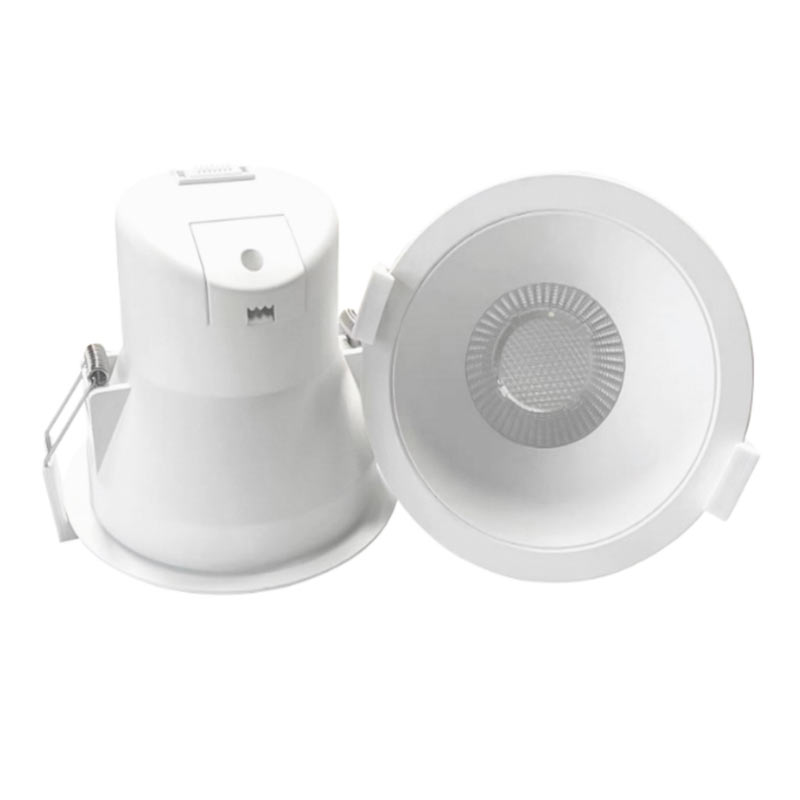 3CCT Tunable LED Downlights with Adjustable WattageAvailable in 7W or 9W, these downlights offer three color temperatures selectable via wall switch. Their adjustable settings provide flexibility to match dimmer and load conditions during commissioning.View Product →
How a Manufacturer Can Reduce Dimming Compatibility Risk
From the manufacturer's side, dimmer compatibility is determined by a few specific design choices.
- The driver's topology: whether it supports forward-phase, reverse-phase, or both
- The driver's power range: how many watts it can handle while maintaining a stable output
- The control curve: at what percentage of output the dimming behavior remains smooth
- Noise control: whether the driver suppresses the audible hum that some dimmers induce
At Ningbo Guangji Lighting Technology, we build these considerations into our products. For example, TRIAC-dimmable LED bulbs are designed to work with the largest installed base of dimmers, which makes them practical for retrofit projects. The driver has been tuned to stay stable at lower brightness levels, where many dimmers and LEDs start to conflict.
For downlights, adjustable wattage models give installers the ability to match the fixture to the circuit load. This matters in commercial projects where the number of fixtures per circuit varies. Our 3CCT downlights also let the installer choose the color temperature at the site, reducing the need to stock multiple fixed-temperature variants.
For spotlight applications, a standard GU10 lamp cup with multiple beam angles and wattages provides flexibility during commissioning. If the final load does not match the dimmer's minimum rating, an installer can switch the lamp to a higher wattage option rather than replacing the whole fixture.
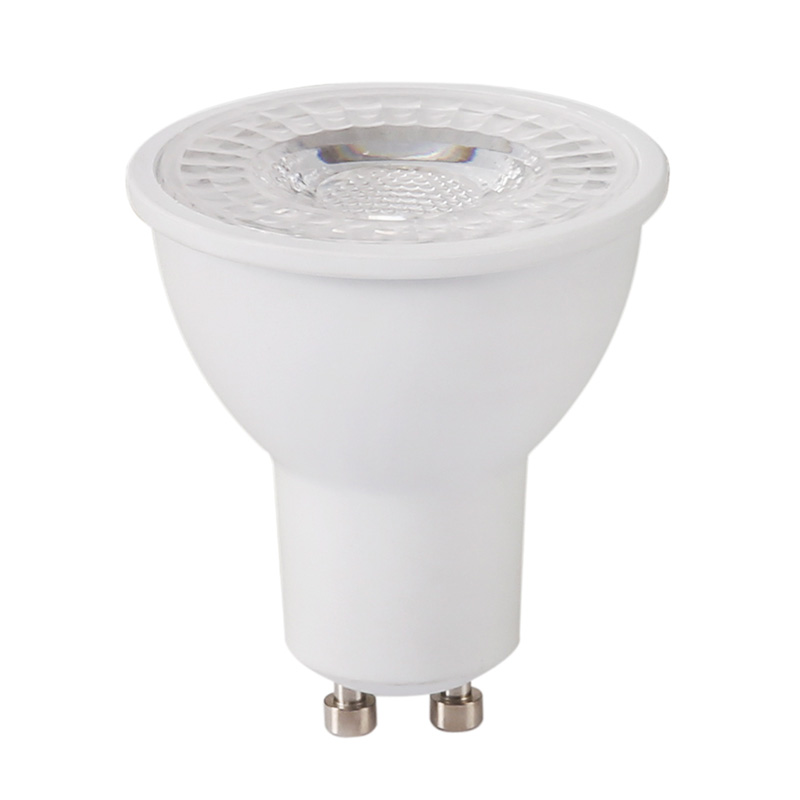 GU10 LED Lamp Cup with Multiple Beam Angles and WattagesThis standard GU10 lamp offers wattages from 3W to 9W and beam angles from 38° to 120°, allowing installers to adjust brightness and spread. Its variety aids in matching dimmer minimum load requirements.View Product →
For OEM/ODM buyers, the key is to ask for a defined test protocol. Does the manufacturer test with forward-phase dimmers, reverse-phase dimmers, or both? Does the test report cover the full 10–100% dimming range? A responsible supplier will share that information before mass production begins.
Practical Checklist for OEM/ODM Buyers
If you are sourcing dimmer-compatible LED products for a project, ask these questions before placing an order:
- What phase-control type does the driver support: forward-phase, reverse-phase, or both?
- Does the dimmer require a neutral wire?
- What dimming range does the driver actually deliver: 10–100%, 5–100%, or 1–100%?
- What is the minimum load required for stable dimming?
- Is there a tested dimmer compatibility report? Which dimmer models were used in the test?
- Does the product show any flicker at low brightness levels with the intended dimmer?
These factors can be organized into the comparison below.
| Dimmer Type | Typical Application | Key Compatibility Consideration |
|---|---|---|
| TRIAC (leading-edge) | North American and European residential projects; retrofit installations | Requires a minimum load; the driver must tolerate the leading-edge waveform |
| ELV (reverse-phase) | Modern commercial design; low-voltage electronic transformers | Often more stable with LED, but only works if the driver is designed for reverse-phase control |
| MLV (magnetic low-voltage) | Magnetic transformer installations | Not recommended for most LED drivers; the magnetic waveform creates compatibility problems |
If the end user has a specific dimmer model in mind, having the manufacturer's compatibility data on hand is the surest way to prevent delays. You can reach our technical team through the contact page and request the relevant test reports or application advice.
Dimmer compatibility is not a single number. It is a system-level behavior that depends on the dimmer, the lighting load, and the driver design. By choosing products that have been validated for your specific dimmer type, you reduce installation risk, improve dimming smoothness, and ultimately deliver a better lighting result for your customer.
