
 English
 中文简体
中文简体 عربى
عربى Español
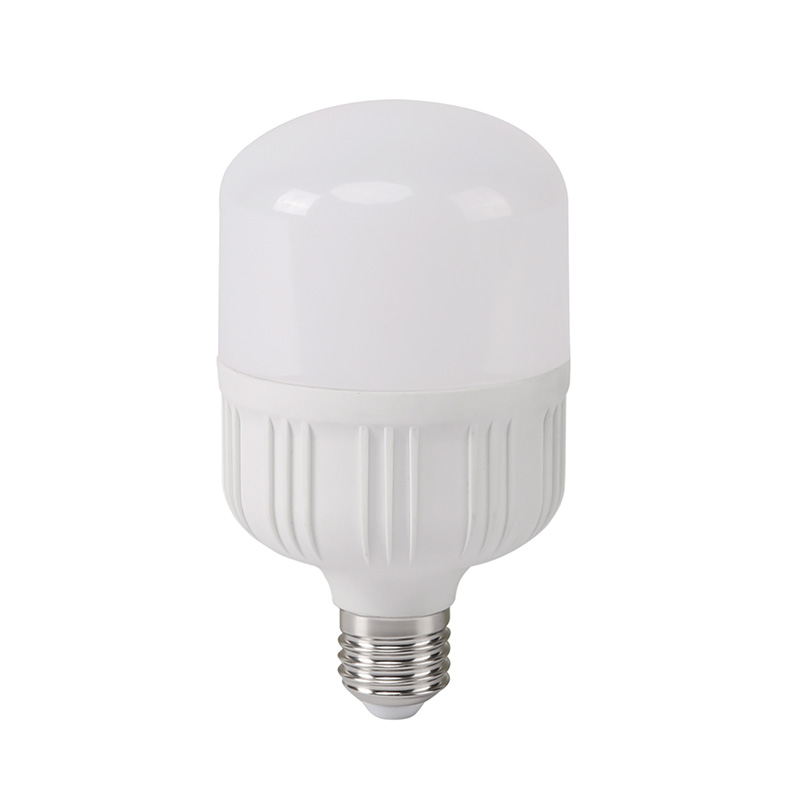
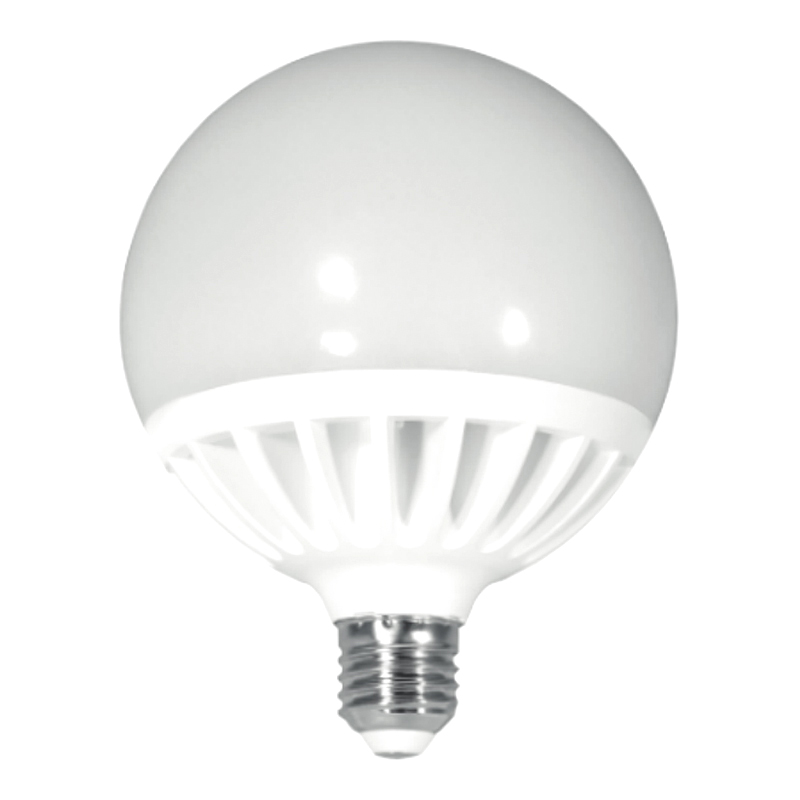
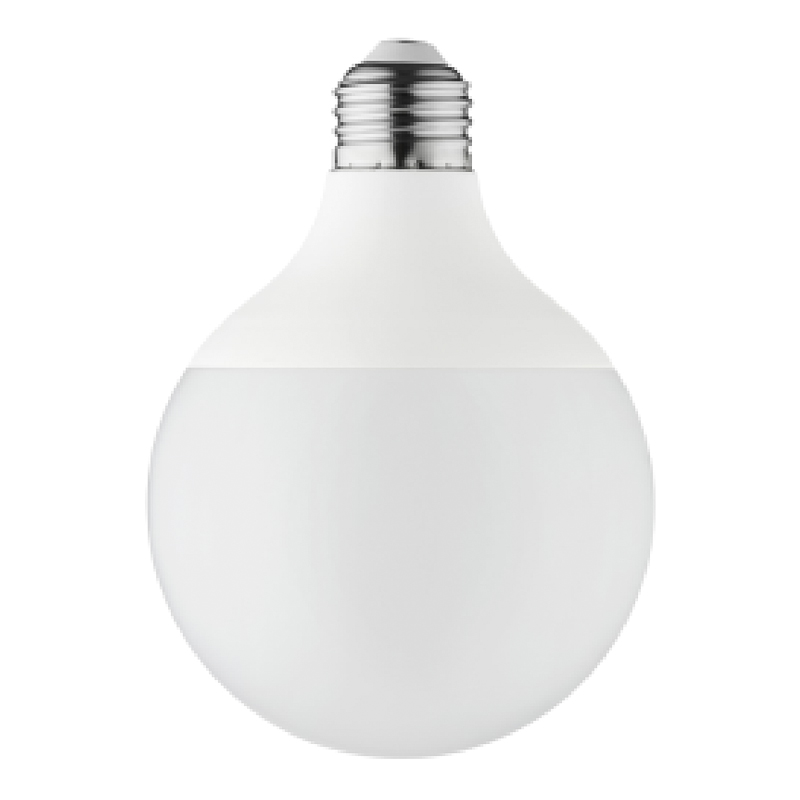
Introduction to LED Ceiling Lights LED ceiling lights have become a popular choice for modern homes,...
Content
If you are specifying lighting for a new build, a renovation, or a product line, the first thing to know about 2026 trends is this: the fixtures that win projects today are not the flashiest ones. They are the ones that adapt. Buyers and specifiers are moving away from fixed, single-purpose lamps and toward flexible LED solutions that can change color temperature, wattage, or beam angle on site. That shift is driven by real requirements—different spaces need different light at different times of day, and project teams want fewer SKUs while keeping installation flexibility.
For a lighting manufacturer, this is more than a styling preference. It changes the way fixtures are built. Housings must accommodate driver electronics, sensor modules, and switchable optics without becoming bulky. Materials must balance heat dissipation with clean aesthetics. In this article, we look at five 2025 lighting trends that actually affect product selection, and we highlight what you should check before you order.
1. Sculptural Forms Meet Functional LED Engineering
Sculptural silhouettes and organic textures dominate the design conversation in 2026. Think curved pendants, rattan-inspired shapes, and oversized fixtures. For a manufacturer, the challenge is to translate those looks into products that pass heat testing, maintain a high Color Rendering Index, and meet safety certifications. The practical answer is hybrid housing: aluminum for thermal management combined with plastic for form and finish.
This approach is visible across our LED ceiling lights and batten lights, where the housing is engineered to match modern aesthetics without compromising performance. When you are comparing ceiling fixtures, pay attention to the housing material spec. A well-ventilated plastic-aluminum hybrid can lower product weight and cost while still keeping the LED junction temperature within safe limits. Also check the beam spread: a 120-degree diffuser is suitable for most residential ceiling mounts, while a narrower angle may be needed for task areas.
2. Color Temperature Control Becomes a Baseline Requirement
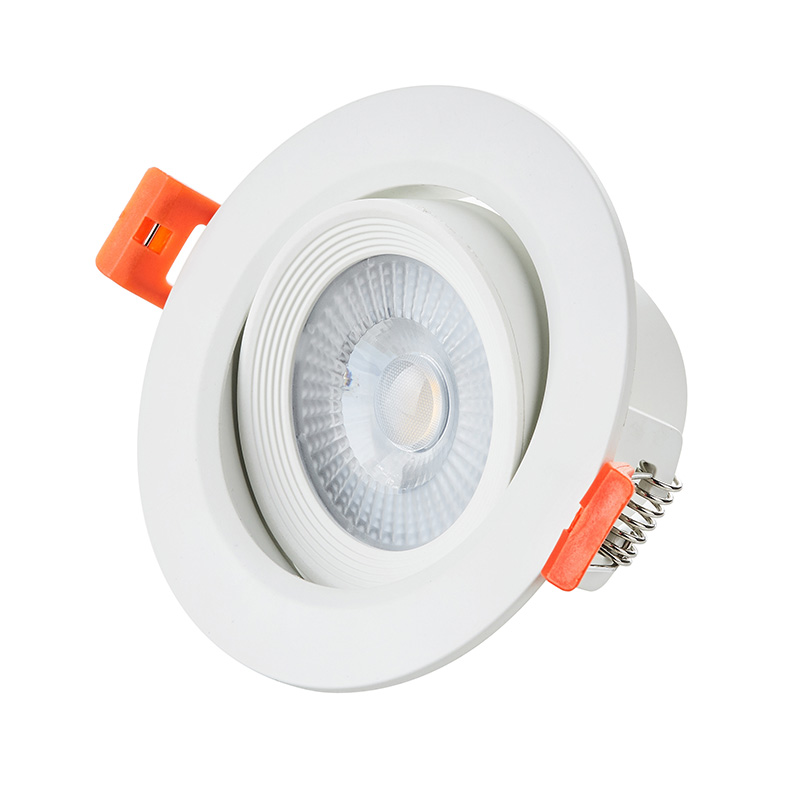
The single biggest technical shift in 2026 lighting trends is the normalization of selectable color temperature, usually called 3CCT. A single fixture that can switch between 3000K, 4000K, and 6000K gives installers and end users the freedom to match a space's mood without swapping products. For distributors, this means fewer inventory SKUs and fewer compatibility errors. For example, a 3CCT 7W/9W LED downlight can serve residential, office, and retail settings from one stock item.
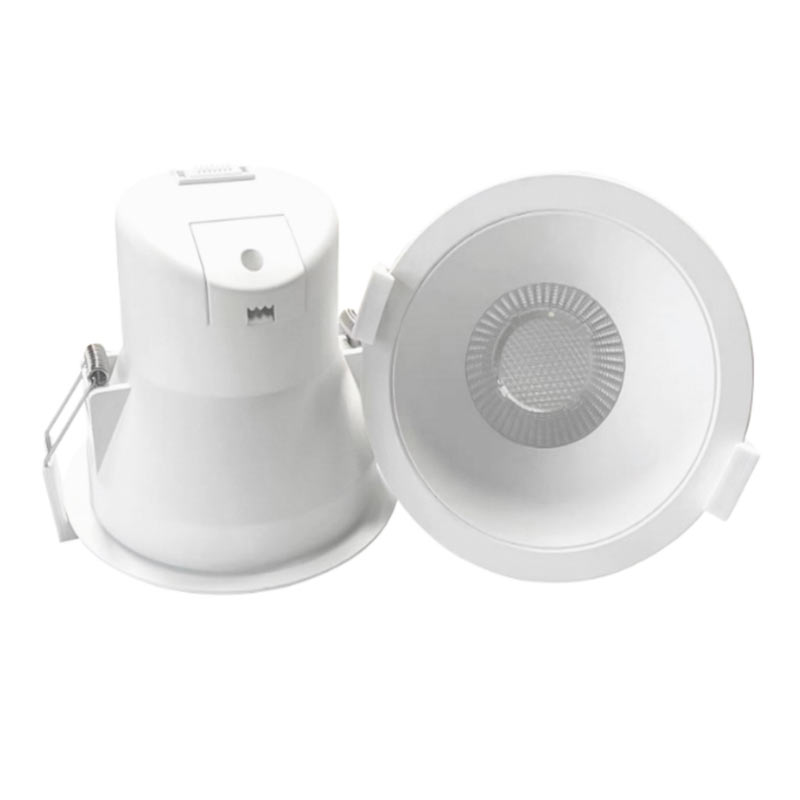 3CCT 7W/9W LED Downlights–GJ-TDHC-7W-CCT (7W, Ø90×75mm cutout)View Product →
This is particularly important when a space is used for multiple purposes. A conference room may need 4000K for focused work during the day and 3000K for a group presentation in the afternoon. A retail shop may want 6000K for a crisp white product display, then warm down to 3000K for evening atmosphere. With a selectable fixture, the property manager can make that change with a simple switch on the driver, not by ordering new lamps.
When you are evaluating a 3CCT fixture, look for clear switching mechanisms, consistent lumen output across color settings, and a driver that does not flicker at low dimming levels. Our guide to choosing and installing LED downlights covers these points in more detail, including how to avoid the common mistake of placing the switch where it is difficult to reach after installation.
3. Sensor-Ready Lighting Makes Spaces Smarter and Safer
Sensor-enabled lighting has moved from a nice-to-have to a must-have in residential, hospitality, and commercial corridors in 2025. The trend is not about connecting everything to an app; it is about fixtures that sense occupancy or ambient light and switch on or off automatically. This reduces energy waste and improves safety in stairwells, entryways, and storage areas.
| Sensor Type | Detection Principle | Best Use Case |
|---|---|---|
| Photo sensor | Measures ambient light level | Outdoor dusk-to-dawn, hallways |
| PIR (passive infrared) | Detects heat from moving people | Bathrooms, offices, corridors |
| Radar sensor | Detects motion through walls and obstructions | Garage, storage, high-traffic areas |
Among these, PIR sensors are the most common in LED bulbs because they are energy-efficient and responsive.
A60 PIR Motion Sensor LED BulbsTechnical ParametersView Product →Our A60 PIR motion sensor LED bulbs are designed for direct replacement in standard sockets and can be used in fixture retrofits without additional wiring.
One practical tip for specifiers: choose a PIR bulb with a wide detection angle and a low standby power. Many standard PIR bulbs draw 0.5W in standby, which is acceptable, but some low-quality units draw far more and quickly erase the energy savings. Look for a standby power specification of less than 0.5W and an instant-on response time. For areas where occupants may be seated or moving slowly, radar sensors are more sensitive, but they also have higher standby consumption, so match the sensor to the movement profile of the room.
4. Beam Angle and Multi-Wattage Options Drive Directional Lighting
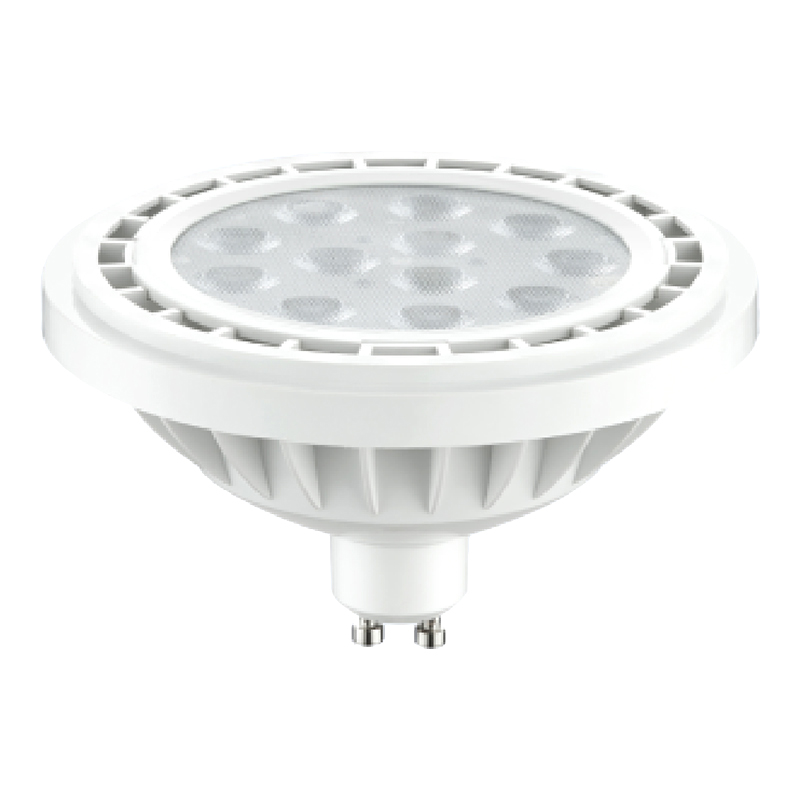
Directional lighting continues to evolve in 2026, especially for retail display, art galleries, and accent lighting. The key trend is flexibility across beam angle and wattage in a single lamp. A GU10 lamp cup with multiple beam angles—for example 24°, 36°, and 60°—lets one product address narrow spot lighting, general accent, and wide flood wash. Multi-wattage versions further simplify specification because a single SKU covers three or four lumen packages. This reduces the number of variants you need to stock and gives installers on-site adjustment options.
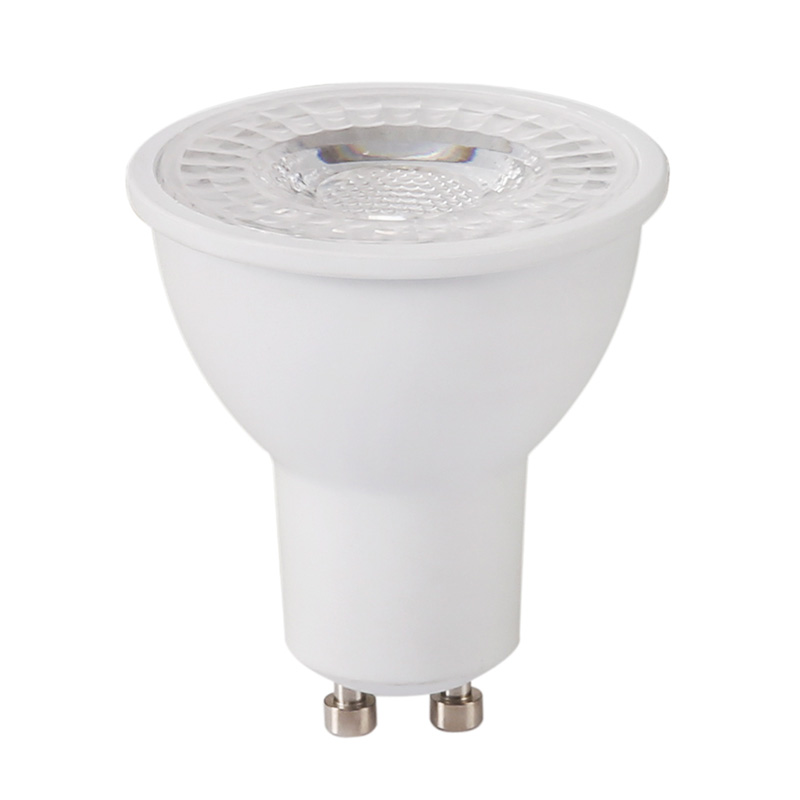 Standard GU10 LED Lamp Cup – Multi-Beam & Multi-WattageTechnical SpecificationsView Product →
Beam angle directly affects visual comfort and the number of fixtures needed. A 24° spot at 9W can create a strong focal point on a display shelf, while a 60° flood at the same wattage fills a wider area with softer light. If the luminaire is adjustable, the tilt and rotation mechanism also matter. Look for insulated glass or a robust ceramic body in lamp cups that run hot. The lens material should be durable, since repeated handling during installation can scratch a low-quality lens and degrade the light output.
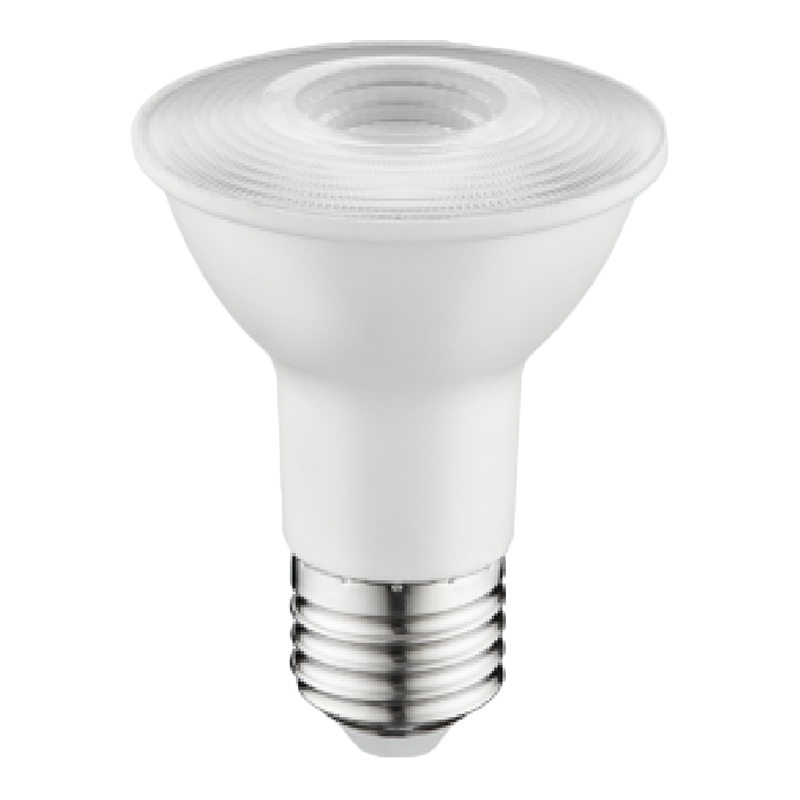
For a deeper comparison of LED spotlight technologies, see our article on how LED spotlight PAR lights compare to traditional PAR lights. It discusses beam spread, energy consumption, and how upgraded LED reflectors can replace older halogen sources in the same fixtures.
5. What to Verify Before You Buy
Trends in 2026 also bring more responsibility for specifiers. Before finalizing any purchase, verify the following factors: IP rating (IP20 vs. IP44 vs. IP65), dimming compatibility (TRIAC, DALI, or 0-10V), input voltage range, and certifications. Wide-voltage bulbs, such as an AC/DC 12-60V LED bulb, are increasingly important for environments with unstable or non-standard power supplies. On the manufacturer side, ask about housing material, heat dissipation path, and quality control tests.
A direct manufacturer can provide factory-direct pricing while maintaining control over raw material sourcing and final inspection. For OEM/ODM projects, verify that the factory can produce to your specifications from a blueprint or sample, and that the production line has consistent testing equipment. Also check whether the supplier offers a full range of dimming options. TRIAC dimming is still the most common for retrofit bulbs, but for commercial systems, 0-10V or DALI may be required.
Finally, do not forget to ask about packaging and labeling standards for export. Markets in Europe, the Americas, and the Asia-Pacific region each have specific requirements for product information, energy labels, and compliance documentation. A factory with 13 years of export experience can manage these details effectively.
2026 lighting trends are ultimately about flexibility and reliability. If you are planning a residential development, a retail space, or a product catalog, the strongest approach is to work with a supplier who understands both design trends and engineering constraints. Our team can support your project with customizable LED fixtures, OEM/ODM production, and export experience. Reach out to us when you are ready to narrow down your specifications.
